Romantic Desert Destinations USA: Thermal Dynamics and Arid Hospitality Infrastructure
The development of premium experiential hospitality within the arid zones of the United States requires an advanced understanding of microclimate engineering, resource scarcity logistics, and structural environmental design. Unlike traditional temperate resort zones, remote desert ecosystems present intense thermal fluctuations, high solar radiation indices, and fragile hydrological baselines. Constructing high-end facilities that offer isolating, high-privacy guest experiences while ensuring absolute structural comfort demands significant architectural foresight. These design parameters govern the operational reality of specialized desert developments across western North America.
A primary structural challenge for operators in this highly sensitive geography is the mitigation of extreme diurnal temperature shifts. A facility must utilize heavy thermal mass systems, advanced shaded overhang arrays, and subterranean architectural lines to stabilize interior temperatures naturally. This physical engineering interface demands robust structural insulation values, specialized low-emissivity glass specifications, and highly automated climate control networks. When these architectural frameworks are integrated poorly, institutions face severe operational friction, resulting in excessive energy utility overheads and significant structural material degradation.
Evaluating these premium arid environments requires looking beyond superficial experiential features like scenic sandstone vistas or ambient evening fire elements. Long-term operational viability depends on secure deep-aquifer groundwater extraction infrastructure, precise dust-mitigation air filtration systems, and robust structural shade protections. By analyzing the structural patterns of dedicated desert compound development, stakeholders can evaluate properties with high analytical precision. This deep analysis reveals hidden structural maintenance expenses and defines the exact internal tracking systems needed to preserve premium architectural assets.
Understanding “romantic desert destinations usa”
Analyzing the structural profiles of romantic desert destinations usa requires looking past superficial consumer marketing descriptions. High-tier arid facilities must be understood as highly isolated bioclimatic structures that manage extreme environmental elements under premium hospitality conditions. Many consumers evaluate these destinations based entirely on outward-facing lifestyle design features, such as minimal concrete styling or panoramic valley views. In reality, the true value of these assets depends on hidden technical systems, including subterranean water chilling networks, particulate-filtering air treatment loops, and strict dark-sky architectural lighting masks.
The Interdisciplinary View of Desert Infrastructure
To understand these specialized properties fully, the facility ecosystem must be analyzed from three distinct viewpoints: the architectural engineer, the hydrologist, and the hospitality operations director.
-
The Architectural Engineer: This professional designs structural shading cantilevers, calculates optimal thermal mass densities, and monitors low-emissivity window glazing lines. Their primary focus is maintaining stable indoor comfort levels without increasing active energy consumption.
-
The Hydrologist: Operating below the surface, this specialist monitors deep-well aquifer drawing speeds, tracks water mineralization variables, and manages closed-loop graywater recycling fields. They ensure the facility maintains a reliable water supply without draining local underground reserves.
-
The Hospitality Operations Director: This manager coordinates complex remote supply chain logistics, supervises off-grid service communication networks, and schedules precise property maintenance routines. They work to deliver uninterrupted premium experiences in isolated geographic regions.
Structural Failures in Water Management Architecture
A frequent error in the management of high-end desert compounds is assuming that standard municipal plumbing designs can handle high-mineral groundwater without causing rapid equipment scaling. This misconception leads to significant mechanical risks regarding premium thermal plunge networks and central heating loops.
Mainstream plumbing layouts fail when hard groundwater is fed directly into premium high-temperature amenities without extensive pre-filtration and softening systems. If properties lack dedicated, multi-stage water treatment facilities, they face major financial losses during mandatory state utility inspections.
The Limits of Seasonal Occupancy Modeling
Relying entirely on winter tourism surges to balance high year-round property maintenance overheads introduces significant financial vulnerability. Expecting a few peak temperate weeks to cover the costs of full-time landscape preservation and facility cooling ignores the realities of modern arid infrastructure economics. Properties that do not develop comprehensive, year-round microclimatic stabilization programs struggle with high physical asset depreciation and volatile revenue cycles. True financial stability must be built into the core design of the facility, leveraging passive cooling technologies and flexible building configurations.
The Historical Context and Morphological Evolution of Arid Travel
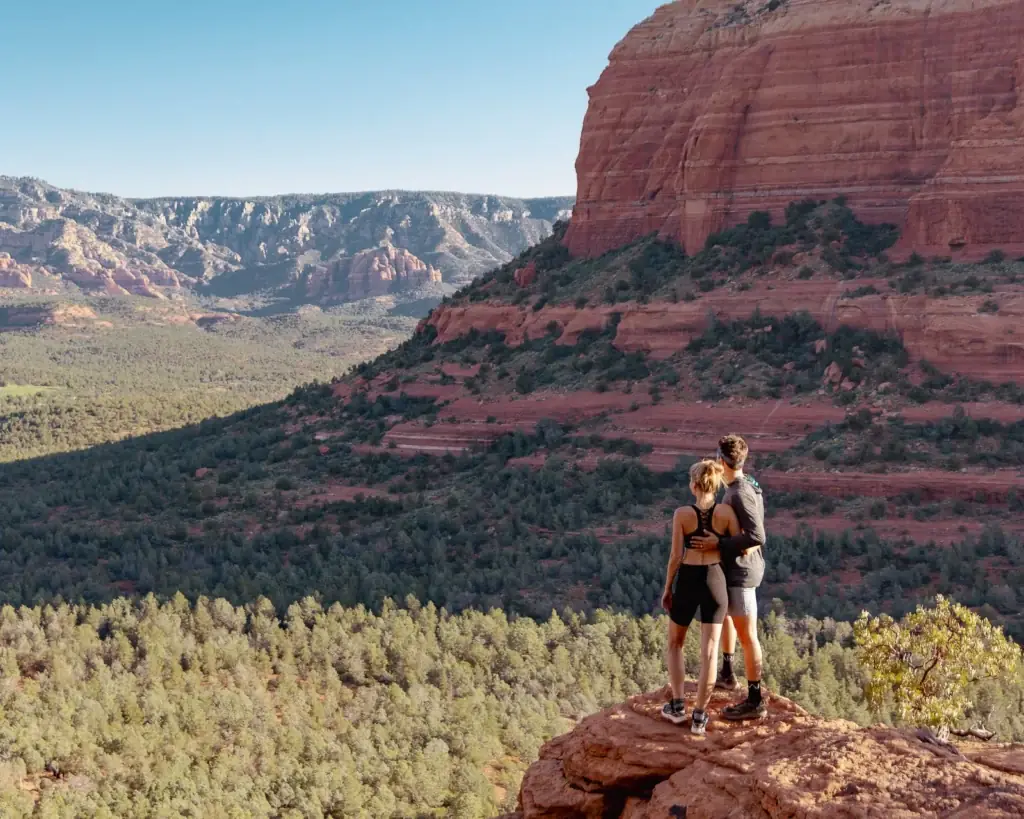
The modern landscape of premium desert destinations in the United States is deeply tied to the historical evolution of high-altitude health sanatoriums and early rail mineral loops. Understanding these historical roots helps clarify why specific geographic regions developed into modern centers for luxury remote hospitality.
The Health Sanatorium Era and Solar Exposure Footprints
During the early twentieth century, medical professionals routinely directed patients with respiratory ailments to remote southwestern outposts to utilize dry air currents and continuous solar exposure. These early properties featured wide covered sleeping porches, thick adobe brick walls, and central shaded courtyard gardens designed to maximize passive environmental healing.
These historic sanitarium camps provided the foundational layout for American desert tourism, demonstrating how regional architectural styles could support specific physiological goals.
The Emergence of High-Design Desert Modernism
The arrival of advanced architectural cooling techniques in the late 1940s sparked a major shift away from basic survival structures toward high-design desert modernism. These early luxury properties applied deep roof overhangs, floor-to-ceiling glass walls, and wide concrete floor slabs to integrate interior living spaces directly with the surrounding topography.
During the early 2000s, master planners transitioned toward integrated eco-enclaves that combined subterranean structural profiles, native desert landscaping matrices, and off-grid power infrastructure within a single footprint. This structural evolution maximized land preservation values by offering complete environmental isolation directly alongside premium hospitality accommodations.
Conceptual Frameworks for Arid Facility Assessment
To maintain high profit margins and protect investor capital across changing climate conditions, desert facility managers rely on models from environmental engineering and resource economics.
1. The Diurnal Thermal Mass Balancing Model
This framework guides building material selection, helping facilities balance daytime solar heat absorption against rapid nighttime radiation losses.
For facility managers, this system helps track indoor thermal comfort through changing seasonal conditions. Monitoring exterior skin temperatures early allows properties to adjust automated shading arrays before active cooling systems become overworked.
2. The Hydrologic Cycle Isolation Matrix
This operational framework evaluates how effectively a facility’s physical layout separates pristine potable water delivery from recycled utility processing lines.
Using this approach allows engineers to construct versatile water networks that minimize resource waste during extended drought cycles. Transforming standard single-use plumbing into efficient, closed-loop systems helps properties maintain stable utility footprints over long timelines.
3. The Atmospheric Particulate Deflection Index
This framework evaluates a property’s physical resilience against wind-driven dust storms by assessing the sealing integrity of its mechanical building envelopes.
Mastering this structural distinction allows investors to identify desert properties with genuine long-term operational resilience. Prioritizing positive-pressure mechanical seals ensures steady guest comfort scores, allowing properties to operate smoothly during severe regional wind events.
Categories of Desert Ecosystems and Infrastructure Trade-offs
High-tier desert facilities vary significantly based on their primary geographic location, elevation classification, and water sourcing infrastructure. Understanding these structural differences is essential for analyzing operational performance.
The High-Altitude Sandstone Canyon Enclave
These premier facilities are constructed directly inside deep rock formations, offering guests natural wind protection and exceptional visual privacy.
-
Trade-off: These rock-enclosed environments command premium booking packages but face intense radio communication blockages and complex structural excavation requirements.
-
Mitigation: Install extensive fiber-optic relay networks and utilize diamond-wire cutting techniques to minimize fracturing surrounding rock walls during expansion phases.
The Low-Elevation Alluvial Fan Outpost
Operating primarily in wide desert valleys, these expansive properties focus on panoramic sunset views and wide architectural footprints.
-
Trade-off: This open terrain offers simple installation logistics and excellent solar collection opportunities but faces extreme summer heat loads and flash flood path hazards.
-
Mitigation: Construct large concrete diversion channels upstream from primary structures and utilize thick external rammed-earth walls to increase thermal mass protection.
The Volcanic Basalt Plain Sanctuary
These remote luxury properties are built directly upon ancient lava flows, balancing striking dark ground aesthetics with advanced geothermal utility designs.
-
Trade-off: This setting provides unique landscape backdrops and stable soil foundations but carries high abrasive dust wear risks for mechanical cooling machinery.
-
Mitigation: Position all primary mechanical intakes at least fifteen feet above the ground level and install automated self-cleaning pre-filter screens.
Quantitative Infrastructure Comparison of Desert Assets
Strategic Capital Sourcing Logic
When evaluating a desert resort expansion, developers must weigh the depth of the local water table against the regional solar exposure profile.
If a property features a accessible water table, development capital can be safely directed toward expanding evaporative cooling networks. However, for properties located in deep, dry basins, building high-efficiency solar tracking arrays is essential. This investment ensures a reliable source of off-grid electricity, protecting the facility’s operations from shifting municipal energy costs.
Detailed Real-World Operational Scenarios
Examining real-world desert resort management situations highlights how quickly environmental or administrative shifts can impact operations, and shows how proper planning can protect both guest safety and property revenues.
Scenario A: The Microclimatic Heat Inversion
A premium desert resort located in a low valley experiences an extended summer heatwave that pushes daytime ground temperatures past record thresholds during a peak booking cycle.
-
The Operational Constraint: Discerning guests expect stable cool indoor sanctuaries, while extreme external temperatures threaten to trigger widespread compressor failures across the main air conditioning network.
-
The Failed Approach: Running standard air-cooled chiller units continuously at maximum capacity, which leads to immediate electrical grid overloads, cooling fluid leaks, and sudden system shutdowns.
-
The Successful Strategy: The property should have installed an integrated subterranean chilled-water loop network coupled with automated fabric shading sails. This design allows the resort to reject heat into the cool underground soil layers, maintaining comfortable interior temperatures without straining the primary electrical infrastructure.
Scenario B: The Flash Flood Channel Breach
A prominent canyon enclave faces sudden mountain storm runoffs that threaten to inundate lower guest villas constructed near a historical dry creek bed.
-
The Operational Constraint: Guest villas must remain dry and accessible, but unmanaged mountain runoff can quickly transform dry washes into high-velocity mud channels.
-
The Failed Approach: Relying on temporary sandbag configurations and manual drainage clearances, which results in mud entering lower suites, property damage, and emergency guest evacuations.
-
The Successful Strategy: The enclave should construct permanent, gabion-lined diversion channels upstream from the primary guest village.
Simultaneously, management must operate a digital automated flow-monitoring network along the upper mountain ridges. This early detection loop provides the facility team with early warnings, ensuring runoff is directed safely away from guest suites without interrupting resort operations.
Scenario C: The Severe Dust-Storm Electrical Inversion
A high-end volcanic plain sanctuary experiences an unexpected high-velocity sandstorm that coats the main solar photovoltaic tracking field with fine, abrasive basalt dust.
-
The Operational Constraint: Off-grid power production must be maintained to sustain central utility functions, while heavy dust coatings immediately cut solar generation capacity by sixty percent.
-
The Failed Approach: Cleaning the sensitive glass panels manually using standard water hoses during the storm, which creates a thick mud crust and scratches the optical tracking coatings.
-
The Successful Strategy: The sanctuary should utilize an automated dry-cleaning system that uses high-velocity compressed air blasts combined with vertical panel tilting routines. This setup removes dry dust particles without utilizing scarce fresh water or damaging delicate anti-reflective coatings, allowing the facility to restore full power production quickly.
Planning, Cost, and Resource Dynamics
Operating complex desert facilities requires managing extensive capital allocations that far exceed the operational budgets of standard lifestyle resorts. True cost control depends on managing both visible guest amenities and hidden environmental processing infrastructure.
Balancing Infrastructure Investments and Operating Costs
While high-efficiency solar fields and premium rammed-earth architecture represent visible upfront investments, everyday resource management demands continuous funding. Itemized expenses like deep-well pump maintenance contracts, specialized water softener chemical shipments, and high-frequency air filter changes can quickly drain budgets if managed poorly.
Additionally, operators must account for the high cost of off-grid waste management logistics. Transporting solid waste via temperature-controlled utility trucks to distant municipal recycling hubs adds significant overhead costs that must be balanced through precise sorting programs.
Capital and Resource Allocation Structures for Arid Infrastructure
Strategies, Leverage Points, and Asset Preservation Systems
To maintain high service standards and protect infrastructure from rapid environmental wear, desert managers can deploy several specialized systems.
1. Subterranean Air Intake Tunnels
Reduce building cooling loads by drawing fresh interior air through a network of subterranean earth-tube cooling tunnels.
-
Implementation: Install heavy concrete piping networks buried twelve feet beneath the surface ground level during initial construction. Air passing through these tubes drops fifteen degrees naturally via ground thermal transfers before reaching the main HVAC units, lowering active energy consumption significantly.
2. High-Density Rammed-Earth Wall Matrix
Stabilize interior guest villa temperatures by utilizing a high-density rammed-earth construction matrix for all primary structural walls.
-
Implementation: Blend local aggregate soils with twelve percent Portland cement and compress the mixture inside heavy steel wall forms. The resulting eighteen-inch-thick walls create a natural thermal delay, absorbing daytime solar heat and radiating it into the rooms during chilly desert nights.
3. Automated Spectrally Selective Window Glazings
Minimize interior solar heat gain by installing automated, spectrally selective low-emissivity glass arrays across all south-facing viewing windows.
-
Implementation: Specify double-paned window assemblies equipped with micro-thin metal oxide coatings within the internal glass air gaps. These advanced coatings reflect invisible infrared heat energy away from the building while allowing visible light wavelengths to pass through, preserving expansive views without warming room interiors.
4. Subsurface Drip Irrigation Fields
Preserve delicate oasis gardens without wasting water by deploying a network of automated subsurface drip irrigation fields beneath native plant zones.
-
Implementation: Lay flexible porous piping webs buried six inches beneath the gravel landscape mulch layers. The automated watering controllers release water directly to plant root networks during late evening hours, eliminating evaporation losses from surface spraying.
5. Centralized Microclimatic Weather Sentry Loops
Improve facility storm readiness by deploying a network of localized microclimatic weather monitoring stations along surrounding valley ridges.
-
Implementation: Mount compact wind, humidity, and barometric pressure sensor pods along key elevated property ridges. The central software monitors changes in air pressure constantly, deploying automated fabric shading screens before high winds reach the valley floor.
6. Automated Solar Tracking Inverter Vaults
Protect delicate off-grid electrical equipment from extreme desert heat by housing solar inverter banks inside automated, subterranean cooling vaults.
-
Implementation: Construct concrete utility basements directly beneath the primary solar generation fields, equipped with passive ground-source heat pipes. This positioning keeps sensitive solid-state electronics at stable operating temperatures, preventing heat-induced power cuts.
The Arid-Infrastructural Risk Landscape and Structural Vulnerabilities
Operating high-density travel destinations within remote desert zones introduces unique environmental hazards that require rigorous engineering defenses and precise regulatory controls.
The Soil-Salinization Oasis Destruction Risk
A major threat to long-term property stability is the uncoordinated irrigation of non-native decorative flora using high-mineral underground well water. Continuous surface watering leaves behind concentrated salt crusts as water evaporates, destroying local soil chemistry and killing native palms and structural root systems.
To prevent widespread landscape degradation, regional planning boards must enforce strict native plant guidelines. All landscaping elements must rely on salt-tolerant native species that utilize deep subsurface irrigation networks to prevent surface mineral accumulation.
Ultraviolet Material Degradation of External Structural Sealants
Operating premium wood, stone, and fabric structures in high-solar environments creates continuous maintenance challenges due to rapid ultraviolet light degradation. Standard exterior finishes quickly crack, fade, and flake off within months if left unmanaged, exposing underlying structural timbers to dry rot and insect infestation. Facilities must use marine-grade, UV-blocking polyurethane sealers and schedule regular inspections to reapply protective coatings before material failure occurs.
Long-Term Adaptation and Pre-Season Compliance Protocols
Maintaining a resilient desert infrastructure asset requires a strict schedule of preventative maintenance and regulatory audits before seasonal travel surges arrive.
Pre-Season Regulatory and Structural Audits
Three months before peak winter travel begins, civil engineering teams should conduct complete electrical testing across all solar inverter banks to identify failing solid-state circuits. Flush high-dose citric acid solutions through all hot water loops to dissolve accumulated calcium deposits, and torque all structural shade canopy guy-wires to optimal tension specifications. Verify that all underground earth-cooling tubes are clean and free of pest entry points.
Post-Season Strategy Reviews
Once the intense summer heat season concludes, desert resort executives should review the property’s performance data and utility efficiency metrics. Analyze total groundwater extraction volumes against changes in local aquifer depth measurements, and evaluate structural cracking rates along exterior rammed-earth walls. Use these concrete insights to guide winter maintenance budgets, directing public funds toward the specific engineering upgrades that best protect the long-term asset value.
Measurement, Tracking, and Evaluation Systems
Protecting public and private investments in remote desert real estate requires a structured, data-driven approach to tracking infrastructure health and resource consumption.
Deconstructing Common Arid Hospitality Myths
The desert travel market contains many common assumptions about remote properties that do not always align with engineering or environmental realities. Let’s look at the facts behind several widespread misconceptions.
Myth 1: “A desert resort can operate completely off-grid by simply installing standard residential solar panels on room roofs.”
True off-grid operational stability requires complex industrial-grade solar tracking arrays combined with massive battery storage banks and backup generator networks. Standard residential panel configurations lack the necessary surge capacity to power commercial water treatment plants and cooling systems during multi-day dust storms. A successful facility requires a significant investment in dedicated utility fields and automated maintenance systems to ensure reliable energy production.
Myth 2: “Constructing glass-walled structures is ideal for maximizing the visual experience of desert landscapes.”
While floor-to-ceiling glass walls offer impressive panoramic views, unshaded glass surfaces create massive greenhouse effects that can overwhelm building cooling networks within hours. Developing sustainable desert real estate requires a careful balance of heavy thermal mass walls and deeply recessed window openings to minimize direct solar heating. Modern desert architecture prioritizes deep structural overhangs and spectrally selective coatings that block infrared heat wavebands while preserving clear views.
Myth 3: “Locating resorts next to natural desert oases completely eliminates long-term water availability concerns.”
Natural desert oases are highly fragile, surface-level expressions of deeper groundwater systems that are incredibly sensitive to surrounding human activities. Drawing water directly from an oasis table rapidly lowers the local water level, drying up native vegetation and causing soil salinization across the valley floor. Sustainable desert management demands deep-aquifer well drilling coupled with extensive closed-loop recycling networks to protect these delicate surface environments from drying out.
Ethical and Contextual Resource Considerations
Operating high-capacity travel destinations within remote desert zones requires careful management of regional utilities to maintain long-term community support. Large luxury resorts can consume substantial volumes of fresh water and energy, straining local municipal water networks and risking water delivery shortages for neighboring small towns.
To build positive relationships with neighboring communities, desert properties must prioritize sustainable resource management, utilizing private solar tracking fields and advanced graywater recycling networks to minimize their impact on shared local infrastructure. This balanced approach protects the delicate regional ecosystem while securing a stable operating environment for the facility.
Synthesis and Strategic Outlook
Developing and managing real estate within America’s premier desert zones remains one of the most complex and capital-intensive sectors in the modern property market. True operational success requires moving past basic surface styling and focusing heavily on underlying infrastructure engineering, water cycle preservation, and structural thermal mass management.
Long-term profitability is not achieved by simply expanding room counts or increasing package prices; it comes from building adaptable, resource-efficient utility systems that protect the underlying land asset while minimizing environmental impacts. By investing in heavy rammed-earth walls, installing subterranean earth-cooling tubes, and maintaining unified district water management protocols, operators can ensure smooth performance across changing weather cycles. Ultimately, the most resilient romantic desert destinations usa are those where modern civil engineering and rigorous resource conservation work in harmony, ensuring a stable, high-value asset for future generations.