Best Hidden Gems United States: Elite Off-Beaten-Path Guide
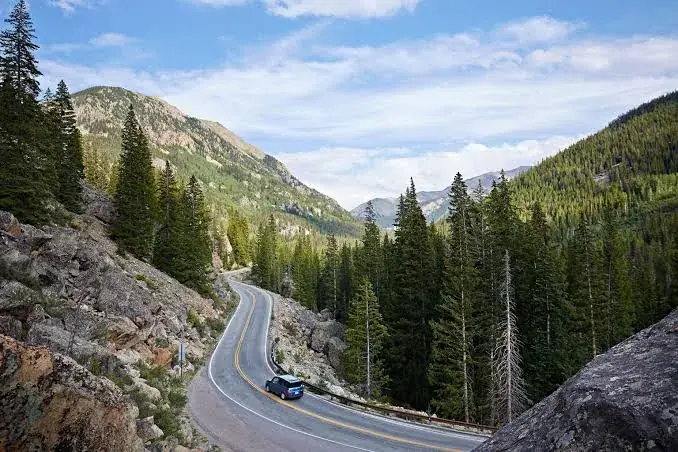
The geographic vastness of the domestic landscape contains many overlooked environments. While primary landmarks attract millions of annual visitors, secondary and tertiary landscapes offer profound opportunities for isolated exploration. The careful cataloging of these spaces requires an analytical approach that bypasses typical tourism marketing. True exploration depends on understanding the structural, historical, and geological attributes that keep certain locations isolated.
This shift in consumer interest toward lesser-known destinations is driven by several compounding structural factors. The overcrowding of primary national parks has led to increased regulatory barriers, such as vehicle reservation systems and permits. Concurrently, infrastructure developments have made remote regions more accessible without destroying their isolated character. These changing patterns require a clear framework for defining what makes a destination genuinely obscure.
This document serves as a comprehensive reference piece for identifying and navigating highly preserved domestic locations. By exploring geological variations, resource dynamics, and structural risk factors, travelers can construct sophisticated itineraries. These plans balance the desire for solitude with the realities of remote logistics.
Understanding “best hidden gems united states”
Multi-Perspective Evaluation
An objective assessment of the best hidden gems united states requires looking beyond standard travel commentary. From a geographic perspective, these locations are defined by their separation from primary transit corridors. Ecologically, they feature highly preserved biomes that remain undisturbed by large-scale tourism infrastructure. Sociologically, these spaces lack commercial development, which allows visitors to experience landscapes in their natural state.
Common Misunderstandings
A frequent analytical error is confusing a destination that is temporarily trendy online with a genuine hidden location. True preservation requires structural barriers to mass tourism, such as complex terrain, limited local lodging, or protective public land designations. When a location relies solely on temporary obscurity, it remains highly vulnerable to sudden overcrowding once it is widely shared.
Oversimplification Risks
Brochures often describe off-the-beaten-path travel as an effortless alternative to mainstream vacationing. This perspective overlooks the significant challenges associated with remote logistics, such as limited fuel networks, absent cellular coverage, and basic medical facilities. True safety and success in these regions require deliberate preparation, realistic self-reliance, and an objective understanding of regional challenges.
Deep Contextual Background
Historical Shifts
The evolution of domestic exploration is closely tied to the expansion of transportation infrastructure. Throughout the nineteenth and twentieth centuries, the construction of railways and the Interstate Highway System concentrated tourism along strict corridors. Areas bypassed by these networks remained isolated, accidentally preserving their unique ecological and cultural landscapes from rapid modernization.
Modern Influences
In the current landscape, digital mapping and information sharing have changed how travelers locate remote destinations. While technology can expose sensitive ecosystems to rapid influxes of visitors, it also enables precise, self-guided exploration of public lands. This shift has created two distinct types of travelers: those who stick to well-known infrastructure hubs, and those who seek out secondary public lands.
Systemic Context
The management of lesser-known locations is handled by an overlapping network of federal, state, and indigenous agencies. These organizations include the Bureau of Land Management, the United States Forest Service, and various state park systems. Each agency operates under distinct conservation mandates, which directly shape public access, primitive camping rules, and long-term land preservation.
Conceptual Frameworks and Mental Models
The Isolation-Infrastructure Trade-Off
This framework states that a destination’s level of preservation is directly tied to its lack of comfortable infrastructure. As modern amenities expand into a region, its unique character often declines due to increased visitor volume.
-
Application: Choose destinations that require primitive camping or long unpaved drives if your primary goal is complete solitude.
-
Limitation: This model demands a higher level of physical stamina and advanced wilderness self-reliance from the traveler.
Geographic Buffer Modeling
This approach measures a destination’s true isolation by calculating the time and transit steps required to reach it from the nearest commercial airport.
-
Application: Prioritize locations that require at least a three-hour drive from a secondary airport to ensure minimal crowds.
-
Limitation: This strategy naturally increases the time and money spent on basic transit logistics.
The Ecological Carrying Capacity Index
This model evaluates how much visitor traffic a specific landscape can handle before its native ecosystem faces long-term degradation.
-
Application: Focus exploration on durable geological features, like sandstone canyons, while using extra caution in fragile areas like alpine tundra.
-
Limitation: It requires travelers to have a strong working knowledge of regional ecology and low-impact travel techniques.
Resource Redundancy Calculation
This framework determines the safety profile of a remote itinerary by analyzing the availability of water, fuel, and communication services.
-
Application: Carry physical maps and extra provisions when exploring areas with a single, isolated route in and out.
-
Limitation: Packing extensive safety gear reduces available space and increases vehicle weight.
Key Categories and Travel Variations
Bureau of Land Management Wilderness Areas
Wilderness areas managed by the Bureau of Land Management offer some of the most isolated backcountry experiences in the country. These public lands typically lack developed trails, signs, or drinking water sources, providing a completely raw connection with the landscape.
-
Trade-Offs: Unmatched solitude and zero entry fees are balanced against a total absence of emergency services and water infrastructure.
Secondary National Forest Progenies
National Forests adjacent to major National Parks often contain identical geological features without the associated crowds or strict rules. These regions regularly permit dispersed camping, off-trail exploration, and pet access on backcountry paths.
-
Trade-Offs: Greater regulatory freedom and fewer visitors are offset by less trail maintenance and limited interpretive services.
State Parks with Unique Geological Formations
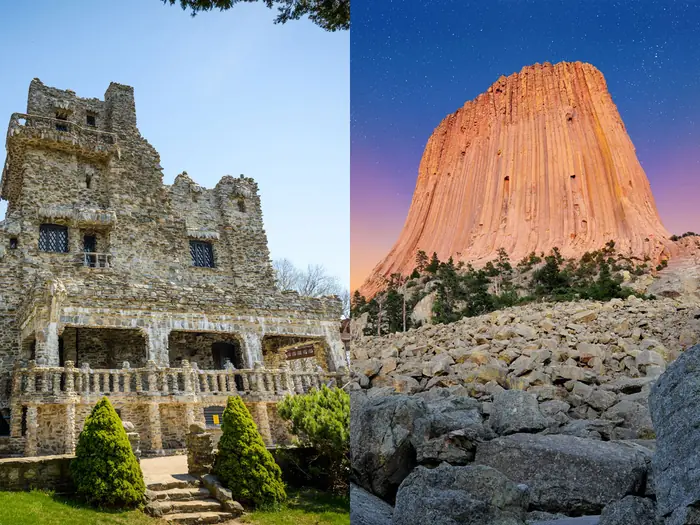
Certain state parks host exceptional geological anomalies that rival national monuments but receive only regional attention. These locations often feature well-maintained infrastructure on a smaller scale, making them highly efficient for short-duration visits.
-
Trade-Offs: Excellent trail access and clear educational signage are balanced against limited acreage and strict night closures.
Historically Bypassed Maritime Communities
Isolated coastal enclaves, particularly in the Pacific Northwest or New England, preserve distinct regional maritime heritages. These towns remain isolated because they sit far from primary highways, relying instead on slow ferry connections or winding two-lane roads.
-
Trade-Offs: Deep cultural preservation and exceptional local dining are offset by high lodging costs and limited seasonal availability.
Tribal Park Conservation Zones
Tribal parks managed by indigenous nations offer deep cultural insights alongside striking natural landscapes. These areas frequently require local guides for backcountry entry, which protects sacred sites while providing visitors with authoritative context.
-
-
Trade-Offs: Profound historical education and controlled access are balanced against mandatory guiding fees and strict photography rules.
-
High-Desert Dark Sky Sanctums
Remote desert interiors away from urban light pollution serve as premier locations for astronomical observation and deep wilderness solitude. These arid environments require specialized preparation due to extreme temperature shifts between day and night.
-
-
Trade-Offs: Exceptional night-sky visibility and clean air are balanced against dry conditions and long distances to emergency medical care.
-
Isolated Glacial and Lacustrine Systems
Northern water systems, such as the sea caves found around the Upper Great Lakes, feature unique geological formations shaped by seasonal ice. Accessing these environments requires specialized watercraft in the summer or trekking over thick lake ice during deep winter.
-
Trade-Offs: Dramatic seasonal scenery and unique photographic opportunities are balanced against volatile weather patterns and freezing water hazards.
Comprehensive Breakdown of Travel Categories
The table below compares these remote travel styles across key operational factors.
Realistic Decision Logic
Selecting the right destination type depends on an honest assessment of your backcountry skills and vehicle capabilities. If your vehicle lacks high clearance and four-wheel drive, focus your trip around developed State Parks or isolated maritime communities. When your goal is total isolation and you carry independent power and water systems, BLM wilderness areas and desert sanctums provide the ideal canvas.
Detailed Real-World Scenarios
Navigating Volatile Arid Canyon Environments
This situation involves exploring remote desert canyons where sudden weather changes miles away can trigger flash flooding in dry washes.
-
Strategy: Monitor regional radar systems covering the entire drainage basin rather than just local conditions. Avoid setting up camp in low-lying washes, and always identify climbing escape routes to high ground.
-
Failure Mode: Relying on local clear skies can lead to dangerous situations if storm runoff travels down canyon networks from distant mountains.
-
Second-Order Effects: Choosing high-ground routes requires carrying more water, as you cannot rely on canyon-bottom springs.
Managing Remote Mechanical Breakdowns
This scenario addresses a major mechanical failure occurring on an unpaved road, miles outside of cellular coverage networks.
-
Strategy: Use a satellite communicator to send an emergency message with your exact coordinates to a dedicated towing service. Remain with your vehicle to preserve your shade and water supply rather than attempting to walk for help.
-
Failure Mode: Leaving the vehicle to find a cell signal in arid environments increases the risk of dehydration and disorientation.
-
Second-Order Effects: Staying with the vehicle keeps you visible to search planes but requires holding extra food and water reserves.
Accessing Fragile Island Ecosystems
This situation involves visiting isolated islands that lack permanent docks or ferry services, requiring a beach landing by small watercraft.
-
Strategy: Study local marine charts, track daily tidal shifts, and monitor wave swells before attempting a shoreline landing. Use a shallow-draft boat and land during rising tides to avoid getting grounded on rocks.
-
Failure Mode: Landing during a falling tide can leave your watercraft stranded on dry land, cutting off your return path.
-
Second-Order Effects: This approach requires packing lightweight waterproof gear, limiting the amount of heavy equipment you can bring.
Planning, Cost, and Resource Dynamics
Direct and Indirect Costs
Exploring the best hidden gems united states requires looking beyond the typical expenses of standard vacation planning. Direct costs often include specialized backcountry permits, off-road vehicle rentals, and satellite communication subscriptions. Indirect costs frequently involve vehicle wear and tear, such as tire replacements from sharp gravel roads and suspension service after navigating rugged terrain.
Opportunity Costs
Choosing remote wilderness travel means giving up the reliable comforts and dining options found in developed tourist hubs. Time spent researching complex land rules reduces the hours available for standard leisure activities. Balancing these priorities requires selecting trips that match your current interest in true solitude versus curated comfort.
Estimated Investment Ranges by Strategy
The table below outlines typical budget allocations for different remote exploration approaches.
Tools, Strategies, and Support Systems
Satellite Messenger Networks
Handheld satellite communicators provide reliable two-way text messaging and SOS tracking outside of cell towers.
-
Limitation: These devices require a clear line of sight to the sky and can experience delays in deep canyons or thick forests.
Offline Vector Mapping Platforms
Dedicated GPS mapping apps allow users to download detailed topographical maps and property boundaries directly to their devices.
-
Limitation: Digital maps depend entirely on device battery life, making portable power banks or physical backup maps essential.
Heavy-Duty Vehicle Compressors
Portable air compressors let drivers lower their tire pressure for better traction on sand or rocks, then reinflate before hitting the highway.
-
Limitation: These tools draw significant power from your vehicle battery and can overheat during extended use.
Certified Emergency Medical Kits
Advanced wilderness first aid kits include splints, trauma dressings, and purification tablets for handling remote medical issues.
-
Limitation: Medical supplies are only effective if the traveler has completed proper wilderness first aid training.
Dual-Stage Water Purification Systems
Combining a sediment filter with a chemical purifier ensures you can safely extract drinking water from turbid desert pools or backcountry streams.
-
Limitation: Freezing winter temperatures can crack internal ceramic filters, rendering them useless without proper protection.
Multi-Fuel Cooking Systems
Stoves that run on multiple fuel types, like white gas or unleaded auto fuel, ensure you can cook meals regardless of local supply availability.
-
Limitation: Liquid fuel stoves require regular cleaning and maintenance to operate safely and efficiently.
Risk Landscape and Failure Modes
Overreliance on Digital Navigation
Relying entirely on smartphone GPS apps without carrying a physical compass or paper map is a common failure point. Dead batteries or software glitches can instantly leave a traveler without a way to navigate unfamiliar terrain.
Environmental Exposure in Microclimates
Failing to prepare for sudden temperature drops in high-altitude deserts or deep mountain passes can lead to hypothermia. These unique microclimates require carrying versatile clothing layers, even when low-altitude forecasts appear warm and stable.
Sudden Transit Route Closures
A single rockslide, washout, or wildfire can instantly close the only road leading into a remote area. Failing to plan an alternative escape route can leave travelers stranded in the backcountry without sufficient food or fuel reserves.
Governance, Maintenance, and Long-Term Adaptation
Regular Route and Gear Audits
Long-distance backcountry trips require regular gear inspections every three days. These checks allow travelers to inspect tire tread, verify water filter flow rates, and review remaining food stores to ensure the trip pace matches your actual supplies.
Simple Wilderness Readiness Checklists
A basic evaluation checklist helps travelers make objective decisions before entering remote regions.
-
Power Reserves: Check that all power banks, satellite messengers, and flashlights are fully charged.
-
Water Supplies: Verify you are carrying at least one gallon of potable water per person for each planned day.
-
Vehicle Integrity: Check engine fluid levels and ensure your spare tire is properly inflated.
-
Permit Compliance: Confirm you hold all required land-use permits for the specific camping zones along your route.
Measurement, Tracking, and Evaluation
Quantitative Metrics
Tracking precise data helps keep remote exploration safe, predictable, and sustainable.
-
Fuel Consumption Rate: Monitor your actual miles per gallon on unpaved roads to calculate your true driving range.
-
Daily Water Consumption: Track exact water use per person to ensure reserves remain above emergency levels.
-
Average Travel Speed: Calculate actual transit speeds across rough terrain to plan realistic arrival times.
Qualitative Success Signals
Identifying positive patterns in your environment and energy levels confirms your trip pacing is correct.
-
Landscape Uniqueness: Encountering pristine natural features confirms your route has taken you away from heavily impacted areas.
-
Wildlife Encounters: Observing native animal behavior indicates a healthy ecosystem with minimal human disruption.
-
Low Camp Noise: Pitching camp without hearing generators or nearby traffic confirms true wilderness solitude.
Sample Backcountry Log Entry
A structured log helps track trends in fuel economy, water usage, and land rules over an extended journey.
Common Misconceptions and Oversimplifications
Myth: Finding the Best Hidden Gems United States Requires Off-Road Driving Experience
-
Correction: Many exceptional locations can be accessed along paved secondary highways or by using regional ferry networks. True isolation depends more on a destination’s distance from major cities than on rough roads.
Myth: Remote Public Lands are Entirely Free of Rules and Regulations
-
Correction: Isolated areas often enforce strict rules to protect native wildlife and delicate ecosystems. Visitors must research specific fire bans, camping limits, and waste packing rules for every region.
Myth: Satellite Messengers Remove All Risks of Wilderness Exploration
-
Correction: A satellite communication device can call for assistance but cannot protect you from immediate environmental hazards. True safety relies on making smart decisions, understanding your limits, and carrying the right gear.
Myth: Hidden Destinations Always Lack Basic Safety Signage
-
Correction: Many highly preserved state parks and national monuments feature excellent trail markings and clear safety maps. Their obscurity comes from being located far from major tourist corridors rather than a lack of management.
Myth: Dispersed Wilderness Camping is Safe for Untrained Travelers
-
Correction: Camping far from developed facilities requires advanced skills in wilderness navigation, campfire safety, and food protection. Beginners should build experience in primitive state park campsites before heading into open public lands.
Myth: Remote Natural Water Sources are Always Safe to Drink After Boiling
-
Correction: Boiling kills biological pathogens but cannot remove chemical pesticides or heavy metals from water. True safety requires analyzing the surrounding watershed and using appropriate chemical or carbon filters.
Ethical, Practical, or Contextual Considerations
Practicing Low-Impact Travel Principles
Visiting delicate natural environments requires a commitment to leaving no trace of your stay. Packing out all trash, camping strictly on durable surfaces, and leaving historical artifacts undisturbed ensures these landscapes remain pristine for future generations.
Supporting Rural Gatekeeper Economies
Remote exploration often brings travelers through small, isolated communities that serve as gateways to public lands. Buying fuel, groceries, and supplies from locally owned shops helps support these regional economies and maintains crucial travel infrastructure.
Conclusion
Locating and exploring the best hidden gems united states requires a commitment to thorough research, self-reliance, and careful preservation. Moving away from crowded tourist hubs allows travelers to experience the true diversity of the domestic landscape. This analytical approach ensures journeys are rewarding, safe, and respectful of delicate native ecosystems.
Sustained exploration depends on your willingness to adapt to changing wilderness conditions and unexpected challenges. Using structured planning frameworks allows travelers to navigate remote regions with confidence, knowing their plans match their true capabilities. Ultimately, thoughtful exploration transforms long-distance travel into a source of deep discovery and lasting appreciation for the natural world.