Luxury Couple Resorts USA: Operational and Planning Guide
The high-end domestic hospitality sector contains a varied assortment of properties engineered for adult travel. Evaluating these destinations requires looking past superficial marketing descriptions to understand their actual operational frameworks. True luxury is sustained by reliable infrastructure, excellent spatial design, and consistent service delivery.
A technical assessment of this segment shows that guest satisfaction depends on minimizing logistical and cognitive friction. Properties must balance natural isolation with seamless accessibility to justify premium investments. When these core elements are missing, the travel experience can be easily disrupted by operational delays or poor service.
This structural analysis breaks down the market into measurable components to help travelers maximize their time and resources. The following framework provides an objective approach to choosing properties that can support long-term travel goals.
Understanding “luxury couple resorts usa”
The market segment defined as luxury couple resorts usa is often oversimplified by standard travel media. In a professional context, it represents a precise alignment of hospitality architecture, security, and sensory control. These high-end properties are specifically engineered to offer privacy, low environmental stress, and shared experiential focus. It is a mistake to measure luxury solely by price or thread count. True value is driven by an environment’s ability to protect guests from everyday cognitive loads.
Deconstructing the Term
Oversimplification risks occur when properties use premium labels without maintaining the necessary operational infrastructure. A historic coastal hotel might boast an excellent reputation but fail to deliver a relaxing experience if it lacks modern acoustic soundproofing.
True luxury requires consistent execution across three clear metrics:
-
Spatial Autonomy: The physical distance maintained between individual guest accommodations and shared resort amenities.
-
Operational Discretion: Service delivery that anticipates guest needs without requiring constant communication or creating visual distractions.
-
Acoustic Isolation: The engineering choices that block sound transmission from public walkways, service areas, and mechanical systems.
Defining Strategic Intent
When evaluating potential bookings, travelers must look past promotional imagery to inspect a property’s functional design. High-performing luxury couple resorts usa operate as integrated systems designed to lower stress.
When travel planning ignores these underlying mechanics, trips often suffer from uncoordinated logistics and mismatched service expectations. The following sections provide a clear methodology for analyzing these properties objectively.
Deep Contextual Background
The development of high-end couples’ destinations in the United States reflects broader changes in wealth distribution and lifestyle preferences. Historically, early luxury retreats were built around natural hot springs or exclusive coastal communities in the late nineteenth century. These destinations relied on remote locations and restricted access to ensure privacy for their wealthy clientele.
The Post-Transit Evolution
The expansion of commercial aviation and the interstate highway network during the mid-twentieth century altered travel demographics. This shift forced traditional retreats to update their service models to compete with international options.
Properties began expanding their amenities, introducing dedicated wellness centers, private golf courses, and fine dining programs to keep guests on-site. This self-contained approach laid the groundwork for modern luxury resorts.
The Rise of Purpose-Built Privacy
In recent decades, the market has pivoted toward low-density, high-acreage properties that prioritize privacy and environmental integration. Modern travelers favor minimalist design, architectural preservation, and farm-to-table culinary programs over old-fashioned grand hotels.
Today, navigating the market for luxury couple resorts usa requires understanding a complex landscape. Properties must seamlessly integrate modern digital tools with traditional, high-touch hospitality to meet expectations.
Conceptual Frameworks and Mental Models
To systematically evaluate high-end properties, travelers can use several clear mental models. These frameworks help remove emotional bias, ensuring the selected resort matches the traveler’s specific logistical goals.
The Privacy Radius Model
This framework evaluates the physical and visual distance between a guest’s private quarters and the rest of the resort.
Properties with high privacy ratings feature layout designs that prevent guests from seeing or hearing neighboring accommodations. This spatial design is essential for ensuring uninterrupted rest.
The Cognitive Friction Index
Every mandatory interaction during a stay—from checking in at a front desk to signing dining receipts—adds to a traveler’s cognitive friction. High-performing resorts focus on reducing these touchpoints.
They utilize automated check-in systems, inclusive billing structures, and dedicated staff members who manage reservations seamlessly. Reducing these small administrative tasks allows guests to relax more deeply.
The Service Synchronicity Framework
This model assesses how well a resort coordinates its back-of-house logistics with the movements of its guests.
For instance, housekeeping should be completed invisible while guests are dining, and room service should arrive without disrupting the room’s privacy. When these operations are executed flawlessly, it indicates excellent staff training and high operational reliability.
Key Categories and Strategic Variations
The domestic market for luxury couple resorts usa is split into several distinct categories. Each geographic and architectural style offers clear benefits along with specific operational trade-offs.
Desert Ranch Sanctuaries
Located across the American Southwest, these properties use expansive desert acreage to provide exceptional privacy. Accommodations typically feature standalone casitas with private courtyards and outdoor showers. The dry climate ensures highly predictable weather for outdoor activities, but extreme summer heat can limit daytime excursions, forcing guests indoors.
Coastal Estate Properties
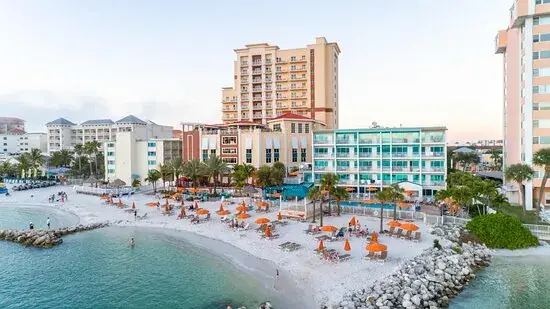
Situated along prime coastal areas like Big Sur, the Hawaiian Islands, or the New England shore, these resorts focus on open maritime views. They excel at providing calming, low-stress environments dominated by natural scenery. The main trade-off is their vulnerability to seasonal weather shifts, like marine fog layers or coastal storms, alongside high public beach traffic during peak summer months.
Deep Alpine Lodges
Found throughout the Rocky Mountains and the Pacific Northwest, alpine properties emphasize rustic architecture and wilderness access. They offer great spatial distribution, often providing detached cabins surrounded by old-growth forests. However, winter snowstorms can complicate transit logistics, and some guests may require time to adjust to higher altitudes.
Agricultural and Wine Estates
Centered in regions like Napa Valley or the Blue Ridge Mountains, these destinations combine working farms or vineyards with luxury lodging. They feature excellent culinary programs and curated views of rolling fields. The limitation is their high baseline cost and rigid minimum-stay requirements during busy fall harvest seasons.
Isolated Island Retreats
Accessible only by boat or private aircraft, these properties—often found off the Florida coast or in the Pacific Northwest—offer complete geographic isolation. They provide excellent security and low crowd density. The trade-off is a heavy reliance on fixed transit schedules and a limited selection of on-site dining options.
Structural Analysis of Premium Resort Categories

Realistic Decision Logic
Selecting the right category requires aligning a trip’s primary goals with a destination’s seasonal realities. If total isolation is the main priority, a desert ranch or island retreat provides the best spatial privacy.
When fine dining and intellectual activities are preferred, a wine country estate is the more logical choice. Travelers should focus on their core requirements rather than choosing a resort that tries to offer everything at once.
Detailed Real-World Scenarios
Analyzing how these properties operate in real-world situations helps highlight potential planning blind spots and secondary logistical effects.
Scenario A: The High-Acreage Desert Retreat
A couple books a five-night stay at a secluded desert sanctuary in Utah during the spring shoulder season.
-
Property Model: Standalone pavilion villas spread across a massive canyon landscape.
-
Logistical Strategy: They arrange a private airport transfer to eliminate the hassle of renting a car.
-
Potential Failure Mode: Sudden high winds can cause desert dust storms, making outdoor dining impossible and grounding local excursions.
-
Second-Order Effect: The extreme privacy means amenities are spaced far apart, requiring guests to walk or call for golf cart transport to move around the property.
Scenario B: The Coastal Cliffside Estate
A couple travels to a high-end resort on the California coast in July to escape inland summer heat.
-
Property Model: Individual suites built along ocean cliffs, featuring private decks and hot tubs.
-
Logistical Strategy: They book months in advance to secure a west-facing room away from the main lodge.
-
Potential Failure Mode: Heavy summer marine layers can block ocean views and keep temperatures chilly for most of the day.
-
Second-Order Effect: The resort’s isolated cliffside location means dining options outside the property require long drives on winding roads, keeping guests reliant on on-site restaurants.
Scenario C: The Mountain Forest Lodge
An active couple selects a remote lodge in Montana for a winter ski and wellness trip.
-
Property Model: Private timber cabins equipped with personal gear rooms and indoor fireplaces.
-
Logistical Strategy: They arrange on-site equipment fittings to avoid waiting in public rental lines.
-
Potential Failure Mode: Heavy winter storms can delay incoming flights or close access roads, shortening a brief vacation.
-
Second-Order Effect: The sub-zero temperatures force all resort activities indoors, increasing guest density in shared spaces like the spa and indoor lounges.
Scenario D: The Historic Wine Country Estate
A couple seeks a culinary-focused trip in Napa Valley during the autumn harvest season.
-
Property Model: Modern guest cottages integrated into a historic vineyard property.
-
Logistical Strategy: They coordinate with the resort concierge three months in advance to lock in dining reservations.
-
Potential Failure Mode: The harvest season brings high regional traffic, turning short drives into slow commutes and crowding local tasting rooms.
-
Second-Order Effect: Premium seasonal pricing drives up the cost of all local services, from rideshares to private winery tours.
Planning, Cost, and Resource Dynamics
Securing a stay at top-tier luxury couple resorts usa requires a clear understanding of total travel costs. High-end itineraries involve both obvious direct fees and several hidden expenses.
Direct and Indirect Costs
Direct costs cover your room rate, flights, and planned dining. Indirect costs are often missed during early budgeting but can alter the final bill significantly. These typically include:
-
Mandatory Surcharges: Daily resort fees that cover items like valet parking, fitness center access, or property-wide Wi-Fi.
-
Service Gratuities: Automatic service charges added to spa therapies, private excursions, and room service deliveries.
-
Local Lodging Taxes: State and regional tourism taxes that can add 10% to 15% to the base nightly rate.
Time and Opportunity Cost
The time spent in transit directly cuts into your time on the property. Choosing a remote resort that requires multiple flights and a long drive can drain your energy before you arrive. For a short weekend trip, a more accessible property often offers a better return on your time investment, keeping stress levels low.
Cost Profiles Across Luxury Tiers
Tools, Strategies, and Support Systems
Navigating the premium market effectively requires using reliable verification tools and reservation strategies. Relying on basic search platforms often highlights sponsored properties rather than the most reliable destinations.
Professional Quality Guides
Directories like the Star Rating system from Forbes Travel Guide, the Relais & Châteaux catalog, and the AAA Five Diamond list offer objective evaluations. These programs grade properties on strict operational standards, ensuring a property’s service matches its high-end price tag.
Spatial Verification Tools
Using high-resolution satellite imagery through mapping platforms allows travelers to inspect a resort’s layout before booking. This step helps confirm if a property sits next to noisy roads, industrial zones, or crowded public access points.
Specialized Travel Advisors
Booking through luxury travel networks, such as Virtuoso or American Express Fine Hotels + Resorts, grants access to dedicated support channels. These programs often include perks like room upgrades, early check-in, and clear advocacy if service quality falls short during your stay.
Secondary System Support
-
Direct Booking Channels: Making reservations directly through the resort’s in-house team usually earns higher room assignment priority than using third-party sites.
-
Pre-Arrival Communications: Emailing the guest relations manager two weeks before check-in establishes clear preferences for room location and dietary needs.
-
Priority Transit Memberships: Programs like TSA PreCheck, Global Entry, and private lounge access help maintain a low-stress environment during transit.
Risk Landscape and Failure Modes
Even top-tier travel plans can face disruption. Recognizing common failure modes allows travelers to build flexibility into their schedules and protect their investments.
Environmental and Climate Shifts
Extreme weather can quickly alter a resort’s environment. Mid-Atlantic and southern properties face hurricane risks from August through October.
Western mountain resorts can see travel disruptions from winter blizzards or summer wildfire smoke. Monitoring seasonal trends and holding comprehensive travel insurance help manage these risks.
Peak Occupancy and Service Strain
Resorts operating at full capacity during major holidays can experience a drop in service quality. High guest numbers can crowd pools, stretch kitchen staff, and slow down concierge response times. This extra strain directly impacts the quiet, attentive environment that defines luxury couple resorts usa.
Property Renovations and Wear
Every property moves through a natural maintenance cycle. Booking a resort just before a major refresh can mean dealing with worn furnishings or dated amenities.
On the other hand, visiting during a renovation can bring construction noise and closed facilities. It is wise to confirm a property’s renovation status before finalizing a booking.
Governance, Maintenance, and Long-Term Adaptation
Building a reliable list of preferred properties requires ongoing updates and regular reviews. Resorts can experience changes in ownership, management direction, and service quality over time.
Systematic Quality Tracking
Travelers should check the status of their favorite properties every year. This involves reviewing recent guest feedback on trusted forums and checking for management shifts or head chef departures. A steady drop in ratings often points to underlying operational or budget challenges.
Removal Criteria
Clear signs indicate when a resort should be removed or swapped out from your preferred list:
-
New Management Directions: A change in ownership that shifts the property’s focus toward large corporate events or family travel can ruin a quiet couples’ environment.
-
Unbundled Amenity Pricing: Charging extra for services that were previously included often points to cost-cutting measures.
-
Consistent Maintenance Issues: Frequent guest complaints about cleanliness, aging equipment, or pool heating suggest slipping standards.
Measurement, Tracking, and Evaluation
Assessing a trip’s success helps improve future travel planning. By tracking specific details, couples can move past vague impressions and identify the exact environments that help them relax.
Leading and Lagging Indicators
Leading indicators are details noticed early in the trip that suggest a high-quality stay, such as a quick check-in, clear communication from staff, and an accurate room setup. Lagging indicators are measured after returning home, focusing on long-term benefits like feeling rested, sleeping better, and wanting to return to the property.
Quantitative and Qualitative Signals
Quantitative tracking looks at hard data, such as door-to-door transit times, total expenditures versus budget, and actual hours of downtime. Qualitative signals evaluate how comfortable the space felt, the level of privacy around your villa, and how naturally the staff anticipated your needs.
Common Misconceptions and Oversimplifications
The premium travel market is filled with common assumptions that can lead to poor planning decisions. Debunking these myths helps travelers make more strategic choices.
Myth 1: Five-Star Ratings Guarantee Total Seclusion
A five-star rating evaluates service quality and amenity options, not geographic privacy. A top-rated hotel in the center of a major city can offer flawless service but will still expose guests to high urban noise and dense crowds. True privacy depends entirely on a property’s layout and low guest density.
Myth 2: All-Inclusive Pricing Always Adds Convenience
While all-inclusive billing simplifies your final check-out, it can sometimes restrict your experience. Guests may find fixed dining hours, limited menu selections, and busy communal dining spaces.
For travelers who value culinary flexibility and privacy, an a la carte property often fits better.
Myth 3: High Room Rates Protect Against Seasonal Disruption
Premium prices do not alter local weather patterns. Paying peak rates at a coastal resort during a seasonal fog month or booking a mountain lodge during a winter freeze won’t stop the weather from changing your plans. Planning around seasonal realities remains essential, regardless of room cost.
Myth 4: Booking Through Large Travel Gateways Secures the Best Rooms
Third-party booking platforms often promise discounts but frequently land guests in baseline rooms. These rooms are often located near noisy elevators, service entrances, or parking areas. Booking directly with the resort usually grants better room assignment priority and flexibility.
Myth 5: Older, Historic Properties Offer a Better Luxury Experience
Historic charm can sometimes mask operational drawbacks. Older buildings can suffer from outdated climate control, thin walls, and retrofitted bathrooms that lack modern space.
Travelers who prioritize quiet comfort often prefer modern architecture designed with historic style.
Myth 6: On-Site Activity Schedules Keep a Trip Exciting
A long list of daily resort activities can actually get in the way of relaxation. Filling your schedule with scheduled tours and classes can mimic the time-stress of daily work routines. Leaving open space in your itinerary is often the best way to ensure you return home feeling refreshed.
Conclusion
Finding and executing an optimal stay at luxury couple resorts usa requires looking past basic marketing claims and analyzing a property’s true operational infrastructure. By matching your travel goals with the right geographic category, spatial layout, and seasonal timing, you can protect your time and resources.
The domestic high-end market provides excellent options across desert, coastal, mountain, and wine country settings, but each comes with clear trade-offs. Using a methodical approach to manage costs, verify layouts, and reduce travel friction helps ensure your itinerary delivers a quiet, restorative experience.