Top Honeymoon Experiences in America: Analytical Planning Framework
The post-nuptial travel segment represents one of the highest capital and emotional investments within a consumer’s lifelong travel lifecycle. Selecting a definitive itinerary requires balancing highly subjective emotional desires with complex logistical realities, structural cost dynamics, and seasonal environmental variables. Too often, contemporary travel literature addresses this process through a superficial lens, relying on generic recommendations that ignore the infrastructural underpinnings of high-performing hospitality.
An empirical analysis of domestic leisure travel reveals that long-term satisfaction is directly correlated with the mitigation of systemic friction. This friction typically manifests as uncoordinated transit linkages, poor acoustic control within premium accommodations, seasonal climate volatility, or misaligned service execution models. When these operational variables break down, the psychological decompression required by couples following a major life transition is severely compromised.
To establish a resilient framework for planning, the domestic market must be dissected into its core structural components, separating architectural intent from marketing rhetoric. This article serves as an authoritative pillar asset, breaking down the operational metrics, strategic categories, and behavioral risk models that govern premium couples’ travel within the United States. By analyzing the underlying systems that drive hospitality performance, travelers and industry planners can execute choices based on measurable data and rigorous contextual analysis.
Understanding “top honeymoon experiences in america”
The designation of an itinerary as one of the top honeymoon experiences in america implies a level of operational mastery that extends far beyond the baseline offerings of standard luxury hotels. In a professional logistical context, this segment demands an environment specifically engineered to minimize cognitive load while maximizing spatial autonomy, visual privacy, and sensory harmony. Romance, when analyzed through an objective hospitality lens, is not an abstract design choice; it is a measurable psychological state supported or degraded by clear environmental elements.
Deconstructing the Operational Infrastructure
Oversimplification risks multiply when travel consumers select destinations based entirely on curated imagery without evaluating operational capacity. A highly praised historic inn on the New England coast may possess immense historical charm, yet fail catastrophically as a post-wedding sanctuary if its physical plant lacks modern acoustic dampening or robust climate isolation.
True structural utility in this travel sector is built upon three foundational requirements:
-
Spatial Isolation Indexes: The ratio of resort acreage and architectural barriers relative to guest capacity, establishing the probability of involuntary social interaction.
-
Cognitive Unloading Systems: The operational capacity of a property to eliminate minor administrative friction points, such as tipping micro-transactions, dining reservation logistics, and luggage handling.
-
Acoustic and Visual Control: The engineering specifications of an accommodation unit that insulate the inhabitants from mechanical noise, service corridors, and neighboring viewpoints.
Defining Strategic Intent
Travelers must separate the historical mythology of a destination from its immediate infrastructure. The top honeymoon experiences in america are not passive backdrops; they function as active, low-friction systems designed to facilitate psychological transition.
When a travel itinerary is constructed without examining these foundational systems, it remains highly vulnerable to external disruptions. These disruptions include service capacity shortages, seasonal crowd shifts, and uncoordinated local transport links.
Deep Contextual Background
The historical trajectory of honeymoon travel within the United States mirrors the broader evolution of middle-class wealth, transport infrastructure, and shifting cultural ideals surrounding marriage. In the nineteenth and early twentieth centuries, post-nuptial travel was an exclusive luxury of the industrial elite, centered on established geographic enclaves like Niagara Falls, the Catskills, or private estates in Newport, Rhode Island. These locations relied primarily on natural features and social exclusivity to validate their status.
The Transit Revolution and Mass Access
The post-war economic expansion of the 1950s, combined with the rapid build-out of the Interstate Highway System and commercial aviation networks, fundamentally democratized the honeymoon market. This era witnessed the rise of highly specialized, theme-driven couples’ resorts in regions like the Pocono Mountains.
These properties pioneered explicitly designed romantic kitsch, utilizing unique architecture and self-contained amenities to signal an absolute break from everyday domestic life. While culturally distinct from modern luxury, this phase established the structural precedent of the self-contained honeymoon ecosystem.
The Shift Toward Experiential Curation
The late twentieth century introduced an architectural and operational pivot away from mass consumer templates toward high-end boutique hospitality, environmental immersion, and wellness-oriented luxury. Modern travelers increasingly reject formulaic scripts in favor of regional authenticity, architectural restoration, and culinary programs tied to local agriculture.
Consequently, identifying top honeymoon experiences in america in the contemporary market requires navigating a complex network of highly segmented boutique options. Properties must balance historic preservation with advanced digital luxury infrastructure to remain relevant to discerning consumers.
Conceptual Frameworks and Mental Models
To systematically evaluate prospective post-nuptial destinations, planners can deploy specific mental models that remove emotional distortion from the selection process. These frameworks ensure that a chosen itinerary aligns with the physical and psychological energy states of the travelers.
The Cortisol-Endorphin Rebalancing Curve
This model tracks the physiological transition of travelers moving from a period of prolonged, high-stress planning (the wedding execution) into an environment of enforced rest.
If a honeymoon itinerary introduces intense travel logistics or high environmental loads during Phase 1, the physiological transition fails, extending stress into the vacation period.
The Environmental Load Matrix
Borrowed from environmental psychology, this matrix categorizes destinations by the sheer volume of information processing required by the surroundings.
-
High-Load Environments: Characterized by complex sensory inputs, unpredictable transit variables, dense crowds, and urban noise (e.g., Manhattan, historical downtown cores during peak tourist season).
-
Low-Load Environments: Marked by natural geographic horizons, predictable spatial layouts, heavy acoustic dampening, and controlled guest access (e.g., Big Sur cliffs, isolated desert pavilions in Utah).
Planners must ensure that the initial stages of a honeymoon match a low-load profile to allow the nervous system to reset effectively.
The Service Discretion Matrix
This tool evaluates the interaction styles of resort staff along a continuum from active-visible to passive-invisible.
High-end honeymoons typically require an invisible service execution model, where tasks like housekeeping, vehicle staging, and dining preparation occur completely outside the guest’s immediate awareness. This preserves the illusion of absolute privacy and reduces social obligation stress.
Key Categories and Strategic Variations
The modern domestic hospitality market offers several distinct geographic and structural models for high-end couples’ travel. Each variant features unique operational strengths along with specific structural vulnerabilities.
Desert Isolation Pavilions
Utilizing the massive acreage of the American Southwest, these properties rely on vast, unpopulated geological features to create a natural privacy barrier. Accommodations often feature detached luxury structures, private plunge pools, and roof terraces designed for stargazing. While offering unmatched acoustic and visual isolation, these properties are highly dependent on private vehicle transfers and face extreme midday thermal spikes during summer months.
Maritime Coastal Estates
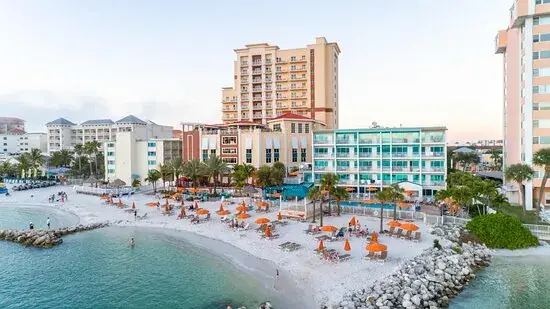
Spanning from the dramatic coastlines of the Pacific Northwest and Big Sur to the historic shorelines of New England and the Hawaiian Islands, these estates focus on oceanic views. They offer low environmental loads driven by consistent maritime acoustics and wide open horizons. However, they remain highly vulnerable to seasonal marine layer fog, intense summer tourist traffic, and sudden coastal storms.
Remote Alpine and Wilderness Lodges
Situated within the Rocky Mountains, the Sierra Nevada, or the deep old-growth forests of Alaska, these locations combine wilderness exploration with luxury interiors. They utilize standalone log cabins or architectural chalets featuring private steam rooms and stone fireplaces. The main trade-offs include complex multi-modal transit legs, altitude sickness adjustments, and seasonal wildfire smoke risks during late summer.
Agro-Viticultural Estates
Centered in premium wine-producing regions like Napa Valley, Sonoma, the Willamette Valley, or Virginia’s Piedmont, these destinations blend agricultural aesthetics with luxury hospitality. They offer exceptional farm-to-table culinary infrastructure, private tasting access, and manicured visual settings. The structural limitation centers on extreme premium pricing and strict multi-night minimums during the autumn harvest window.
Sub-Tropical Island Enclaves
Accessible primarily via the Florida Keys or specialized island resorts in Hawaii, these properties focus on warm-weather relaxation and marine access. They feature overwater bungalows, private beach access, and deep wellness programs. These enclaves face distinct hurricane or tropical storm risks from late summer through autumn, alongside high ambient humidity levels that can stress unaccustomed travelers.
Comparative Analysis of Domestic Honeymoon Structural Profiles

Realistic Decision Logic
Navigating these options requires a strict ranking of immediate goals. If a couple’s primary need is complete physical withdrawal and quiet recovery, a Desert Pavilion or Wilderness Lodge during the shoulder season provides the highest spatial isolation index.
When intellectual stimulation and fine dining are key priorities, an Agro-Viticultural Estate represents the more effective allocation of travel capital. Planners must focus on optimizing for one or two primary conditions rather than attempting to secure an itinerary that satisfies all categories equally.
Detailed Real-World Scenarios
Analyzing real-world travel configurations reveals how different geographic and logistical variables interact to either protect or disrupt a high-end honeymoon experience.
Scenario A: The Remote Desert Sanctuary
A couple seeks absolute isolation immediately following a high-density urban wedding in early May. They select a secluded resort near Canyon Point, Utah.
-
Operational Configuration: A standalone suite integrated into a desert canyon face, featuring an open-air pavilion and private pool.
-
Logistical Execution: Flight into Las Vegas, followed by a four-hour private SUV transfer directly to the property.
-
Potential Failure Mode: A sudden spring windstorm can cause heavy dust migration, rendering outdoor lounges unusable and disrupting regional flights.
-
Second-Order Effect: The absolute digital isolation requires careful pre-trip coordination with professional offices to ensure communication lines are completely closed before arrival.
Scenario B: The Peak Season Napa Valley Harvest
A couple values fine dining, viticulture, and manicured landscapes, planning an autumn trip to an estate in St. Helena, California.
-
Operational Configuration: A private cottage tucked into a historic vineyard, featuring an outdoor soaking tub and direct access to a Michelin-starred kitchen.
-
Logistical Execution: Direct flight to San Francisco International Airport, followed by a dedicated premium car service to the valley.
-
Potential Failure Mode: Booking during the peak October harvest window means regional roads face heavy traffic and top tasting rooms operate at maximum capacity, reducing service personalization.
-
Second-Order Effect: High regional demand drives incidental costs for tours and impromptu dining up significantly, requiring a flexible financial cushion.
Scenario C: The Pacific Northwest Wilderness Lodge
An active couple seeks deep immersion in nature, choosing a high-end lodge on the rugged coast of the Olympic Peninsula, Washington, in July.
-
Operational Configuration: A cliffside cabin overlooking the Pacific ocean, featuring heavy cedar construction and an attached private spa terrace.
-
Logistical Execution: Flight into Seattle-Tacoma, followed by a private charter flight to a local airstrip and a short ground transfer.
-
Potential Failure Mode: Unpredictable marine layers can keep the coast covered in dense fog for days, obscuring scenic views and lowering daytime temperatures below expected averages.
-
Second-Order Effect: The remote location means the couple is entirely dependent on the lodge’s internal kitchen for all meals, making menu variety a critical factor for longer stays.
Scenario D: The Hawaiian Island Enclave
A couple seeks a classic warm-weather beach escape, selecting a low-density resort on the southern coast of Lanai, Hawaii, in January.
-
Operational Configuration: An oceanfront suite with private beach access, surrounded by managed botanical gardens and restricted public entry.
-
Logistical Execution: Commercial flight to Honolulu, followed by a scheduled inter-island air transfer to Lanai.
-
Potential Failure Mode: Inter-island flight delays or luggage transfers can break down during peak winter travel surges, causing missed activity reservations on day one.
-
Second-Order Effect: The resort’s self-contained nature limits exposure to local towns, trading broad cultural exploration for highly polished, insulated relaxation.
Planning, Cost, and Resource Dynamics
The execution of top honeymoon experiences in america demands a realistic understanding of total cost structures. Premium travel budgets frequently suffer from poor forecasting because planners tend to focus on base room rates while overlooking secondary operational costs.
Direct vs. Indirect Financial Structures
Direct expenses include base lodging, premium class flights, and curated experiences like private wine tours or guided hikes. Indirect expenses represent the hidden fees that can quickly alter a final statement:
-
Local Transient Occupancy Taxes (TOT): High-end leisure districts often levy resort and occupancy taxes ranging from 12% to 18% of the room rate.
-
Automatic Service Fees: Premium properties increasingly apply flat daily service charges (ranging from $50 to $150 per day) alongside automatic 20% gratuities on all food, beverage, and wellness services.
-
Transit Stabilization Costs: Valet fees, private terminal access, premium rental car insurances, and airport lounge access.
The Opportunity Cost of Transit Distance
Travel time directly reduces on-property relaxation hours. A couple choosing a highly remote Alaskan lodge for a four-day trip will expend up to 50% of their total vacation time within airport terminals, commuter planes, and ground vehicles.
This logistical burden creates high transit fatigue, directly working against the goal of immediate stress reduction. For shorter timeframes, maximizing direct flight corridors to accessible hubs is a more efficient use of both time and capital.
Capital Allocation Models Across Premium Tiers
Tools, Strategies, and Support Systems
Navigating the high-end domestic travel market requires a sophisticated toolkit to verify a property’s actual performance metrics. Relying purely on basic online search engines often surfaces sponsored placements rather than properties that can genuinely deliver an uncompromised experience.
Professional Quality Registers
Planners should consult verified third-party registers that use rigorous, non-sponsored inspection models. The Forbes Travel Guide Star Rating system, the Relais & Châteaux portfolio review, and the AAA Five Diamond inspectors provide objective standards for evaluating structural and service consistency.
Geospatial Layout Inspections
Before finalizing a booking at a premium property, planners should utilize high-resolution satellite mapping to audit the resort’s actual physical surroundings. This check reveals if an ostensibly secluded villa is positioned near a major shipping corridor, a public highway, an active construction site, or a loud communal pool area.
Strategic Travel Networks
Booking via luxury consortia networks like Virtuoso, Amex Fine Hotels + Resorts, or specialized travel designers grants travelers access to established priority lines. These networks provide clear benefits, such as automatic room upgrades, property credits, early check-in privileges, and direct advocacy if service delivery falters during the stay.
Operational Support Infrastructure
-
Direct-to-Property Communication Channels: Bypass standard central reservation lines to coordinate directly with the on-site guest relations manager two weeks before arrival.
-
Premium Luggage Forwarding Services: Services that transport bags directly from home to the resort, bypassing airport luggage carousels and reducing transit friction.
-
Comprehensive Travel Insurance Plans: Policies that feature “Cancel for Any Reason” riders, protecting substantial non-refundable deposits against sudden family or professional scheduling shifts.
Risk Landscape and Failure Modes
Even the most well-funded travel plans can encounter systemic disruptions if key risks are not anticipated. Understanding the failure modes of premium hospitality allows planners to build flexible contingency options into their itineraries.
Climate and Environmental Degradation Risks
Environmental volatility can quickly change the character of an elite destination. Atlantic hurricane season threatens southeastern islands and coastal enclaves from August through November.
Western wilderness destinations face severe risks from wildfire smoke and forest closures throughout the summer months. Planners must track these cycles carefully and maintain backup options in alternative climate zones.
Full-Capacity Operations and Service Slippage
Properties operating at absolute capacity during federal holidays or peak seasons often experience service slippage. When kitchen staff, concierges, and wellness therapists are fully stretched, response times lengthen, common spaces experience higher noise levels, and the invisible service execution model can begin to break down. This directly compromises the quiet privacy required by honeymooners.
Property Capital Refurbishment Cycles
All physical structures experience wear and degradation over time. Booking a resort right before a scheduled multi-million-dollar renovation can mean dealing with worn furnishings, aging mechanical systems, or offline amenities.
Conversely, booking during a rolling renovation risks exposure to unexpected construction noise and restricted property access. Planners should explicitly ask about a resort’s renovation schedule before placing a deposit.
Governance, Maintenance, and Long-Term Adaptation
Building and maintaining a reliable list of top travel destinations requires a systematic approach to quality control. A resort that delivered an exceptional experience three years ago may suffer an operational decline due to corporate restructuring, budget cuts, or key leadership changes.
Systematic Quality Tracking
Travelers and advisors should review their preferred destination choices every 12 to 18 months. This review involves tracking executive management shifts, evaluating recent feedback from verified luxury travel forums, and monitoring regional infrastructure developments. A sudden drop in a property’s rating often points to systemic operational stress.
Portfolio Removal Triggers
Clear operational red flags should prompt the removal of a property from a traveler’s preferred list:
-
Changes in Guest Targeting: A shift under new ownership toward large corporate conventions or family-oriented water park features can ruin a quiet, low-density couples’ setting.
-
Unbundling of Premium Amenities: Introducing separate fees for services that were previously included (like valet parking or beach cabanas) suggests budget constraints.
-
Slipping Maintenance Standards: Multiple verified reviews mentioning unheated private pools, broken air conditioning units, or dated room interiors indicate falling standards.
Measurement, Tracking, and Evaluation
Assessing a trip’s success helps improve future travel planning. Moving beyond vague impressions allows couples to track specific operational details, helping them identify the exact environments that best support their relaxation.
Leading vs. Lagging Operational Indicators
Leading indicators are details observed early in a stay that point to a well-managed property. These include an effortless check-in process, a well-briefed concierge team, and a clean room setup that matches your specific preferences.
Lagging indicators are evaluated after returning home, focusing on long-term benefits like better sleep quality, lower stress levels, and a shared desire to return to the property.
Quantitative and Qualitative Metrics
Quantitative tracking records concrete data, such as door-to-door transit times, actual spending versus budget, and uninterrupted hours of relaxation. Qualitative metrics evaluate how comfortable the space felt, the level of privacy around your villa, and how naturally the staff anticipated your needs without prompting.
Historical Trip Evaluation Log Formats
Common Misconceptions and Oversimplifications
The premium couples’ travel market is filled with common assumptions that can lead to poor planning choices. Debunking these myths helps travelers make more strategic, practical decisions.
Myth 1: Extreme Nightly Rates Guarantee Ultimate Privacy
A high room rate covers luxurious materials and expensive amenities, but it does not automatically guarantee spatial privacy. A top-rated resort in a crowded tourist hub can offer flawless service while still exposing guests to high urban noise and busy common areas. True privacy depends entirely on low guest density and intelligent layout design, not just the cost of the room.
Myth 2: All-Inclusive Billing Models Always Add Convenience
While all-inclusive packages simplify your final check-out bill, they can sometimes limit your experience. Guests may encounter fixed dining hours, rigid menus, and busy communal dining spaces.
For couples who value culinary exploration and privacy, an a la carte property often provides a more flexible and personal stay.
Myth 3: Iconic Visual Views Define the Quality of a Stay
A beautiful view cannot save a trip ruined by poor service or logistical friction. If a resort’s service architecture is broken, even the most stunning landscape will eventually be overshadowed by long waits, missed reservations, and unhelpful staff.
Myth 4: Booking Packages Through Third-Party Portals Secures the Best Rooms
Third-party booking engines often promise discounts but frequently land guests in baseline rooms. These accommodations are often located near noisy elevators, service entrances, or parking areas. Booking directly with the resort usually grants better room assignment priority and flexibility.
Myth 5: Historic Properties Deliver a Better Luxury Experience
Historic charm can sometimes hide operational drawbacks. Older buildings can suffer from thin walls, outdated plumbing, and retrofitted bathrooms that lack modern space.
Travelers who prioritize quiet comfort often prefer modern architecture designed with historic style.
Myth 6: Filling Your Schedule with Activities Ensures a Memorable Trip
A long list of daily resort activities can actually get in the way of relaxation. Filling your schedule with scheduled tours and classes can mimic the time-stress of daily work routines. Leaving open space in your itinerary is often the best way to ensure you return home feeling refreshed.
Myth 7: Remote Destinations are Inherently More Restorative
Isolation can sometimes bring unforeseen stress if logistically complex. A destination that requires a long, multi-leg journey can leave couples exhausted before their trip even begins. Accessibility is an important element of relaxation, especially for shorter vacations.
Myth 8: Destination Popularity Translates to Honeymoon Suitability
A location praised by general travel media may not be engineered for a post-wedding retreat. Popular spots often attract large tour groups, corporate events, or family travelers, creating an environment that lacks the quiet privacy couples need. Planners should focus on adult-centric, low-density properties.
Ethical, Practical, and Contextual Considerations
Planning a high-end honeymoon within the United States requires acknowledging the broader impact of premium hospitality on local communities and ecosystems. High-acreage, low-density luxury developments often sit next to fragile natural habitats or rural communities facing economic pressures.
Resource Management in Fragile Ecosystems
Many elite properties in the American Southwest or coastal zones operate in regions facing severe water scarcity or climate vulnerabilities. High-end amenities like private plunge pools, manicured golf courses, and extensive landscaping demand substantial water and energy resources.
Discerning travelers increasingly look for properties that utilize advanced conservation systems, such as greywater recycling, solar grids, and native landscaping, to minimize their ecological footprint.
Economic Impact on Host Communities
The development of ultra-luxury resorts can significantly affect local housing markets and living costs in nearby towns. High-performing properties address this imbalance by hiring local staff at competitive wages, investing in community infrastructure, and sourcing food, art, and building materials from regional providers.
Supporting resorts that prioritize ethical labor practices and community partnerships helps ensure that luxury tourism contributes positively to the destination.
Conclusion
Executing a successful trip among the top honeymoon experiences in america requires looking past basic marketing claims and analyzing a property’s true operational infrastructure. By matching your travel goals with the right geographic category, spatial layout, and seasonal timing, you can protect your time and resources.
The domestic high-end market provides excellent options across desert, coastal, mountain, and wine country settings, but each comes with clear trade-offs. Using a methodical approach to manage costs, verify layouts, and reduce travel friction helps ensure your itinerary delivers a quiet, restorative experience.