Luxury Mountain Resorts USA: Structural Economics and Operations
The development of high-tier alpine hospitality in North America represents a complex intersection of environmental logistics, land-use zoning, and premium asset management. Far from being simple recreational retreats, these properties operate within sensitive wilderness ecosystems that demand extensive structural planning and capital investment. Balancing low-impact ecological footprints with the infrastructure required for high-end hospitality presents significant engineering challenges. These considerations shape the physical reality of remote mountain destinations across the country.
A major challenge for investors and operators in this sector is the extreme seasonality of high-altitude environments. A property must maintain profitability while shifting its core operations from winter ski logistics to summer wilderness recreation. This seasonal transition requires flexible labor models, adaptable mechanical infrastructure, and advanced revenue management systems. When these dynamics are managed poorly, properties face significant financial vulnerability, leading to service degradation and accelerated asset depreciation during off-peak months.
Navigating this specialized hospitality market requires moving past superficial aesthetic metrics like rustic interior decor or scenic valley views. Long-term operational viability depends on secure water rights, reliable snowmaking infrastructure, and strategic integration with regional transit networks. By analyzing the structural patterns of alpine resort development, stakeholders can evaluate properties with high analytical precision. This deep understanding exposes hidden operational costs and outlines the exact systems required to maintain premium service standards across variable terrain.
Understanding “luxury mountain resorts usa”
Analyzing the operational profiles of luxury mountain resorts usa requires looking past superficial hospitality amenities. High-tier mountain properties must be understood as self-contained micro-municipalities that manage complex wilderness infrastructure under extreme weather conditions. Many consumers evaluate these properties based entirely on outward-facing luxury features, such as ski-in/ski-out access or fine dining programs. In reality, the true value of these assets depends on hidden logistical systems, including private micro-grids, avalanche mitigation programs, and remote supply chain pipelines.
The Multi-Angle View of Mountain Enclaves
To understand these properties fully, the alpine ecosystem must be analyzed from three distinct viewpoints: the estate engineer, the environmental regulator, and the premium traveler.
-
The Estate Engineer: This professional manages heavy mechanical assets, including high-speed lift systems, snowmaking operations, and advanced HVAC units. Their primary focus is maintaining structural reliability and energy efficiency under sub-zero temperatures.
-
The Environmental Regulator: Operating within federal or state frameworks, this official enforces strict limits on water consumption, wildlife disruption, and carbon emissions. They ensure that resort footprints do not permanently degrade local public lands.
-
The Premium Traveler: Seeking flawless comfort and seamless access to wilderness sports, this guest expects top-tier service. They demand immediate solutions to any environmental challenges, from unexpected road closures to sudden weather shifts.
Structural Failures in Supply Chain Design
A frequent error in remote resort operations is assuming that standard urban hospitality supply chains can be applied to high-altitude wilderness zones. This misconception leads to significant operational risks during peak winter storms.
Mainstream logistical systems fail when mountain passes face extended closures due to heavy snow accumulation. If properties lack on-site storage solutions and redundant vendor networks, they risk rapid inventory depletion during peak occupancy windows.
The Limits of Seasonal Pricing Models
Relying entirely on short-term premium room rates to balance high year-round operational costs introduces significant financial vulnerability. Expecting winter ski revenues to cover low summer occupancy numbers ignores the realities of modern resort economics. Properties that do not develop comprehensive off-season programs struggle with employee retention and deferred asset maintenance. True financial stability must be built into the core design of the resort, leveraging diverse recreational programming and flexible building layouts.
The Historical Evolution of North American Alpine Hospitality
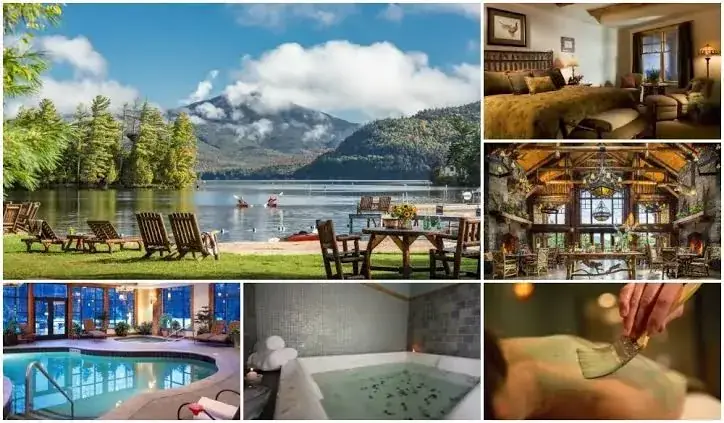
The modern landscape of high-end mountain lodging in the United States is deeply tied to the expansion of the western railroad networks. Understanding these historical roots helps clarify why specific mountain corridors developed into premium vacation destinations.
The Railroad Era and the Grand Lodge Style
During the late nineteenth century, western rail corporations built large wilderness lodges to encourage passenger transit along their expanding lines. These early properties featured heavy log architecture, grand stone fireplaces, and extensive communal dining halls designed to mimic European alpine retreats.
These wilderness outposts provided an initial blueprint for American mountain tourism, showing how grand architecture could complement dramatic natural landscapes.
Post-War Innovation and Master-Planned Village Design
The arrival of returning veterans from the Tenth Mountain Division in the late 1940s sparked a major expansion of the domestic ski industry. These experienced winter operators applied European ski-school techniques to rugged American terrain, establishing iconic mountain destinations across the Rocky Mountains and the Sierra Nevada.
During the 1980s, developers shifted toward master-planned pedestrian village layouts that integrated lodging, retail, and transit into a single cohesive property. This design model maximized real estate values by placing premium accommodations directly adjacent to primary lift terminals.
Conceptual Frameworks for High-Altitude Asset Valuation
To maintain profitability and protect capital across volatile weather seasons, resort operators rely on specific models from resource economics and financial engineering.
1. The Dynamic Resource Sourcing Framework
This model guides water and energy utilization, helping resorts balance snowmaking needs against regional environmental limits.
For resort managers, this system helps track resource availability through changing weather cycles. Monitoring water access early allows properties to maximize early-season snow coverage without overdrawing local aquifers.
2. The Multi-Use Asset Utility Matrix
This operational framework evaluates how effectively a resort’s physical spaces can transition between winter sports and summer recreation programs.
Using this approach allows designers to build versatile layouts that minimize idle space during seasonal transitions. Transforming ski amenities into active summer facilities helps properties maintain a steady stream of revenue year-round.
3. The Altitude Adaptability Value System
This framework evaluates a property’s financial resilience against changing snowfall patterns by assessing its base elevation and snowmaking capabilities.
Mastering this distinction allows investors to identify properties with long-term climate resilience. Prioritizing high-altitude bases and advanced snow production ensures steady winter revenues even during unseasonably warm years.
Categories of Mountain Enclaves and Structural Trade-offs
High-altitude properties vary significantly based on their geographic location, historical development, and primary recreational focus. Understanding these differences is essential for analyzing operational performance.
The Ski-In/Ski-Out Village Core
These premier properties sit directly adjacent to primary ski slopes, offering guests immediate access to lift systems without requiring secondary vehicle transport.
-
Trade-off: These slope-side locations command the highest premium room rates but face significant noise issues and logistical challenges during early morning snow grooming operations.
-
Mitigation: Install advanced acoustic insulation and vibration-dampening windows to protect guest privacy from heavy mountain machinery.
The Isolated Wilderness Valley Ranch
Operating primarily on large tracks of private land surrounded by national forests, these exclusive properties focus on seclusion, equestrian sports, and curated outdoor adventures.
-
Trade-off: This layout offers unmatched privacy and pristine natural views, but it demands higher backup power investments and faces increased emergency medical response times.
-
Mitigation: Build dedicated on-site medical clinics and maintain independent solar-battery microgrids to ensure continuous safety and utility operations.
The Historical Mining Town Retreat
These luxury properties are integrated directly into preserved nineteenth-century mountain communities, balancing historic preservation rules with modern high-end hospitality demands.
-
Trade-off: This setting provides immediate walking access to local cultural districts and fine dining, but it limits property expansion and complicates parking logistics.
-
Mitigation: Utilize underground automated valet parking structures and design new additions to match historical architectural codes exactly.
Quantitative Comparison of Mountain Assets
Strategic Investment Sourcing Logic
When evaluating a mountain resort expansion, investors must weigh the capital costs of advanced snowmaking against the natural elevation advantages of the property.
If a property features a high natural base elevation, capital can be safely directed toward expanding tree glades and hiking trails. However, for properties located at lower elevations, building high-output, automated snowmaking infrastructure is essential. This investment ensures reliable early-season openings, protecting the property’s winter revenue stream from variable weather patterns.
Detailed Real-World Operational Scenarios
Examining real-world resort management situations highlights how quickly environmental changes can impact operations, and shows how proper planning can protect both guest safety and property revenues.
Scenario A: The High-Altitude Power Grid Failure
A premium resort located at 9,500 feet experiences a severe early-season blizzard, causing a primary regional power line to fail during peak holiday occupancy.
-
The Operational Constraint: Sub-zero temperatures present immediate threats to building pipes and guest safety, while high winds prevent utility crews from reaching the property quickly.
-
The Failed Approach: Relying entirely on a single backup generator designed to power only emergency exit lighting. This lack of prep leads to frozen water lines, room evacuations, and significant property damage.
-
The Successful Strategy: The property should have installed an automated industrial microgrid powered by a combination of on-site solar storage and redundant diesel generators. This system can immediately maintain power to primary boilers and radiant heating loops, keeping guest rooms warm and protecting building infrastructure until the main grid is restored.
Scenario B: The Low-Snowfall Holiday Transition
A historic Rocky Mountain resort faces unseasonably warm weather and record-low snowfall during the critical late-December holiday week.
-
The Operational Constraint: Thousands of guests arrive expecting premium ski conditions, but natural terrain remains completely unpassable.
-
The Failed Approach: Canceling ski programs without alternative activities, leading to massive refund demands, negative reviews, and immediate drops in food and beverage revenues.
-
The Successful Strategy: The resort should use a modern snow management system that tracks soil temperatures and schedules automated snowmaking whenever clear nighttime windows occur.
Simultaneously, the guest experience team can quickly pivot to alternative programming, expanding indoor wellness retreats, scenic gondola tours, and guided fly-fishing trips to keep visitors engaged and preserve resort revenues.
Scenario C: The Pacific Northwest Atmospheric River
A luxury resort in the Cascade Range experiences a sudden atmospheric river event in February, bringing heavy rainfall and rapid snowmelt to the lower half of the mountain.
-
The Operational Constraint: Rapidly melting snow can cause local streams to overflow, flooding base facilities and damaging lower lift terminals.
-
The Failed Approach: Allowing runoff water to flow unchecked toward base buildings, resulting in basement flooding and mechanical failures in primary lift control rooms.
-
The Successful Strategy: The property should utilize a series of pre-installed diversion channels and retention ponds designed to route excess surface water away from critical infrastructure. By controlling the flow of runoff water, managers can protect lower lift terminals and base facilities from flooding, allowing the resort to resume normal operations as soon as the storm pass clears.
Planning, Cost, and Resource Dynamics
Operating high-altitude luxury assets requires managing extensive capital requirements that far exceed the budgets of standard urban properties. True cost control depends on managing both direct mechanical expenses and indirect environmental maintenance.
Balancing Structural Expenses and Resource Overheads
While high-speed lift systems and premium room layouts represent visible upfront investments, everyday resource management demands continuous funding. Itemized expenses like avalanche control explosives, specialized snow groomer fuel, and mountain trail maintenance can quickly drain operational budgets if they aren’t carefully managed.
Additionally, operators must account for the high cost of seasonal staff housing. Providing quality on-site accommodations for remote mountain workers is essential for maintaining premium service standards and keeping retention rates high.
Comprehensive Mountain Operational Cost Metrics
Strategies, Leverage Points, and Asset Management Systems
To maintain high service standards and protect infrastructure from harsh winter conditions, resort operators can deploy several specialized management systems.
1. Automated Hydronic Heating Networks
Prevent hazardous ice build-up on guest walkways by installing automated, sub-surface hydronic heating systems across all primary pedestrian village zones.
-
Implementation: Integrate closed-loop glycol pipes directly into all main concrete walkways and outdoor patios. When sensors detect freezing temperatures and moisture, the system circulates warm fluids to melt snow instantly, reducing slip risks without requiring harsh chemical de-icers.
2. High-Capacity Water Storage Retainers
Secure reliable winter snowmaking capabilities by building private, high-capacity water retention ponds near primary pump stations.
-
Implementation: Construct lined storage reservoirs on upper mountain benches during summer maintenance windows. Collecting spring snowmelt allows the resort to secure its winter water supply early, avoiding restrictions from local river systems during dry autumn months.
3. Satellite-Linked Avalanche Monitoring
Enhance upper-mountain safety by installing automated, satellite-linked weather and snowpack monitoring stations along high-risk ridgelines.
-
Implementation: Place remote monitoring arrays along known avalanche launch zones to track snow depth, wind speed, and shifting weight lines in real time. This data allows safety teams to trigger controlled snow releases using remote gas exploders before public hours, keeping slopes secure without risking team safety.
4. Modular Seasonal Room Conversions
Maximize year-round lodging returns by designing guest suites with flexible layouts that adapt easily to changing seasonal demands.
-
Implementation: Install heavy, insulated sliding wall systems and dual-entry gear lockers in primary suites. This design allows rooms to function as warm, multi-room family suites with ski storage in the winter, and easily convert into airy, open wellness layouts for summer guests.
5. Multi-Fuel Boiler Redundancies
Ensure continuous heat and hot water operations by upgrading central utility plants to use flexible, multi-fuel boiler systems.
-
Implementation: Install advanced commercial boilers that can switch automatically between natural gas, liquid propane, and low-sulfur diesel fuel. Maintaining large on-site fuel reserves ensures the resort can provide uninterrupted heating even during severe regional utility outages.
6. Comprehensive Staff Wellness Programs
Protect premium service standards by investing in comprehensive, year-round housing and wellness programs for your seasonal mountain team.
-
Implementation: Build modern, energy-efficient dormitory complexes directly within the resort perimeter, providing affordable rent and easy transit access for employees. Offering stable housing, seasonal health insurance, and competitive wages helps resorts retain skilled staff, ensuring high-quality service across every guest department.
The High-Altitude Risk Landscape and Environmental Mitigations
Operating in sensitive wilderness environments exposes resort properties to unique geographic risks that require careful planning and engineering defenses.
The Thermal Inversion Failure Trap
A common challenge for low-elevation mountain resorts is the occurrence of thermal inversion events, where warm air traps colder air down in the valley floors. This weather pattern can cause unexpected rain on upper mountain slopes while base villages remain freezing.
To protect slopes from severe erosion during these events, resorts must install advanced drainage networks and rock-lined side channels along all primary ski runs. These systems quickly route rainwater away from trails, protecting the snow pack and preventing mudslides from damaging base facilities.
Remote Access Vulnerabilities
Relying on a single mountain highway for all guest arrivals and supply deliveries leaves a resort vulnerable to unexpected roadblocks. A single rockslide or avalanche can cut off a property for days, disrupting operations and stranding visitors. To minimize this risk, resorts should coordinate closely with state transportation departments to monitor slopes, while maintaining large on-site food and fuel reserves to keep operations running smoothly during unexpected isolation windows.
Long-Term Adaptation and Pre-Season Engineering Protocols
Maintaining a resilient mountain property requires a strict schedule of preventative maintenance and safety audits before the first winter storms arrive.
Pre-Season Engineering Audits
Two months before opening for the winter season, engineering teams should conduct detailed non-destructive testing on all lift cables and haul ropes to identify early signs of metal fatigue. Flush high-pressure snowmaking lines to clear out sediment, and test all automated water valves under pressure. Run full-load testing on all backup generators and microgrid battery banks to ensure they can handle immediate energy demands during a sudden regional power failure.
Post-Season Operational Reviews
Once the spring ski season concludes, resort executives should review the property’s performance data and resource consumption metrics. Analyze total water use against the volume of snow produced, and identify any trails that required excessive grooming fuel. Review employee turnover records to see if current staff housing programs met team needs. Use these real-world insights to guide summer maintenance budgets, ensuring capital is directed toward the infrastructure improvements that deliver the greatest returns for the next winter season.
Measurement, Tracking, and Performance Evaluation Metrics
Protecting long-term investments in alpine real estate requires a structured, data-driven approach to tracking operational efficiency and asset health.
Quality and Efficiency Signals for Resort Management
-
Energy Surcharge Variance: The difference between predicted and actual utility costs during peak heating months. Effective insulation systems should keep this variance minimal.
-
Snow Production Yield: The volume of skiable snow produced per gallon of water pumped, providing a clear metric for evaluating snowmaking efficiency.
-
Mechanical Uptime Index: The total operating hours of all primary lift systems divided by scheduled run times, measuring the reliability of core transport infrastructure.
Deconstructing Common Alpine Hospitality Myths
The travel world is full of classic assumptions about mountain properties that don’t always hold up when analyzed from an operational or financial perspective. Let’s look at the facts behind a few common misconceptions.
Myth 1: “Natural snowfall is always superior to machine-made snow for resort operations.”
While natural powder is highly prized by skiers, it often lacks the structural density required to build a durable, long-lasting base for heavy mountain grooming machinery. Machine-made snow is engineered with a rounder, more compact crystal structure that resists melting and holds up far better under high skier traffic. A resilient resort strategy relies on a solid base of machine-made snow early in the season, using natural snowfall to provide a soft top layer for guests.
Myth 2: “Ski-in/ski-out village rooms are the only profitable assets for mountain developers.”
While slope-side suites command premium pricing during the winter months, they often become quiet and less appealing during the summer recreation season. Properties located near historic mountain towns or natural river corridors frequently maintain more stable year-round occupancy by attracting fly-fishing, mountain biking, and cultural festival guests. A balanced real estate portfolio includes a mix of both slope-side and valley assets to ensure steady returns across all four seasons.
Myth 3: “Building resorts at higher elevations completely eliminates all weather risks.”
While a high-altitude base protects a property from warm rain events, it exposes infrastructure to extreme wind speeds, severe lightning strikes, and rapid icing conditions that can force lift closures. High-altitude operations also increase the risk of altitude sickness for guests, demanding dedicated on-site medical clinics and specialized oxygen services. True climate resilience requires smart engineering and comprehensive guest support systems, not just a high elevation on a map.
Synthesis and Strategic Outlook
Developing and managing premier alpine real estate remains one of the most capital-intensive and logistically demanding sectors in the global hospitality industry. True operational success requires moving past basic aesthetic design and focusing heavily on the underlying infrastructure, resource rights, and climate resilience of the property.
Long-term profitability isn’t achieved by simply expanding luxury suites or raising seasonal room rates; it comes from building adaptable, resource-efficient systems that protect the asset from extreme wilderness conditions. By investing in automated heating networks, securing private water reserves, and providing high-quality staff housing, operators can maintain premium service standards regardless of weather volatility. Ultimately, the most resilient mountain resorts are those where advanced engineering and natural landscapes work in harmony, ensuring a safe, seamless, and memorable wilderness experience for every guest.