Romantic Glamping Destinations USA: Structural & Ecological Analysis
Romantic glamping destinations usa. The evolution of luxury experiential lodging within the United States has generated a specialized real estate sector focused on high-end semi-permanent structures. These architectural installations are positioned within complex, ecologically sensitive landscapes. They provide an alternative to traditional brick-and-mortar hospitality systems by integrating low-impact foundations with premium interior amenities. For structural planners, environmental engineers, and developers, this synthesis requires a deep understanding of thermodynamics, civil engineering, and localized zoning frameworks.
Evaluating these remote luxury installations necessitates moving past standard hospitality marketing to assess underlying physical and operational mechanisms. A rigorous analysis of a high-end glamping asset must evaluate fabric tensile strength, off-grid waste management, and thermal performance across diverse climates. These engineering factors determine whether a semi-permanent enclave can offer continuous environmental protection and operational safety during volatile weather cycles.
Consequently, analyzing these remote experiential structures requires a clear, systematic framework that balances geographic placement with structural capability. By examining structural anchoring methods, utility infrastructure redundancy, and seasonal environmental hazards, developers can create sustainable, high-yield lodging assets. This analytical approach addresses the operational dynamics that govern luxury semi-permanent hospitality properties throughout the North American continent.
Understanding “romantic glamping destinations usa”
Defining Architectural and Structural Standards
The market segment containing romantic glamping destinations usa is frequently oversimplified by hospitality platforms and consumer travel websites. Genuine architectural excellence within this specialized space is not defined by simple textile decorations or basic outdoor fire pits. Instead, a premier semi-permanent luxury installation is evaluated by its structural stability, thermal insulation properties, moisture management systems, and utility integration.
A high-performance glamping structure must maintain absolute fabric tension and structural integrity while resisting high wind loads and heavy precipitation. This requires heavy-duty galvanized steel framing, rot-resistant structural timber platforms, and premium architectural fabrics with high ultraviolet resistance ratings. These specialized building elements must operate dependably across isolated, high-exposure geographic areas to ensure guest comfort and physical safety.
Analyzing Spatial Isolation Dynamics
Consumer platforms often misclassify high-density commercial campground developments as luxury experiential properties by utilizing broad, non-technical marketing terms. For example, a property is frequently highlighted based on its proximity to national parks rather than its real-world spatial isolation metrics. This shallow approach ignores critical layout factors like acoustic privacy buffers, viewshed protection boundaries, and localized foot-traffic congestion.
A group of canvas tents placed within direct sight and sound of neighboring units cannot be classified as a premium secluded asset. True spatial luxury requires distinct topographic separation and strategic architectural orientation to block outside visual and acoustic disruptions completely. Therefore, development analysts must evaluate properties using precise site-mapping data and layout configurations rather than relying on promotional hospitality descriptions.
Establishing Material Performance Metrics
To properly evaluate these high-end semi-permanent structures, building analysts separate surface-level aesthetic design choices from foundational material engineering. True structural resilience requires heavy-gauge architectural vinyl membranes, multi-layer reflective thermal insulation blankets, and custom-engineered internal plumbing assemblies designed for freezing conditions. These underlying components ensure continuous climate control and predictable utility performance, regardless of unpredictable regional weather shifts.
When these engineering foundations are executed correctly, high-end interior finishes and luxury furnishings can effectively enhance the guest experience. Recognizing this operational difference prevents hospitality assets from suffering structural failures or utility outages during intense seasonal storms or extreme temperature drops. High-quality semi-permanent assets are revealed when demanding environmental conditions test the limits of their civil and material design.
Deep Contextual Background
The Historical Evolution of Semi-Permanent Lodging
The modern American luxury glamping market developed from a combination of historic military encampments, early African safari operations, and traditional indigenous shelters. During the nineteenth century, seasonal scientific expeditions and wealth-driven wilderness tours required complex, multi-room canvas tents equipped with heavy hardwood furniture and functional heating stoves. These early installations served as critical prototypes, showing how luxury residential amenities could be transported into remote, unmapped wilderness zones.
As the national park system expanded throughout the twentieth century, public demand for close-up wilderness access grew rapidly across all demographics. Early park concessionaires constructed semi-permanent canvas housekeeping cabins on elevated wooden platforms to accommodate summer tourist surges without building permanent hotels. These early efforts laid the foundation for modern low-impact eco-lodging by proving that temporary structures could manage heavy tourism volumes safely.
The Impact of Advanced Material Engineering
The structural capabilities of remote semi-permanent hospitality properties transformed permanently with the development of advanced polymer chemistry and industrial textile engineering. Post-war industrial innovations introduced high-tenile PVC coated fabrics, structural architectural membranes, and lightweight fiberglass dome components to commercial builders. This materials revolution allowed architects to design large, clear-span structures that could remain standing year-round under severe wind and snow loads.
While early yurts and canvas structures were treated as primitive, budget-friendly campground gear, these technical material advancements enabled the creation of high-end wilderness suites. Luxury developers realized these advanced structures could bypass traditional building restrictions in protected eco-zones due to their removable, low-impact foundation designs. Over decades of refined site engineering, these high-performance installations became established as top-tier real estate assets, attracting significant capital investment nationwide.
The Modern Eco-Tourism Infrastructure Era
Today, this engineering development continues through the integration of advanced off-grid utility systems, computer-modeled thermodynamic envelopes, and automated solar microgrids. Modern glamping engineers utilize custom lithium-iron-phosphate battery banks, high-efficiency ductless heat pumps, and closed-loop greywater filtration systems to maintain luxury conditions without municipal hookups. These advanced micro-utilities allow ultra-luxury developments to operate safely and cleanly within highly regulated, ecologically sensitive environments.
Furthermore, contemporary site design increasingly incorporates screw-pile foundation technology and elevated boardwalk networks to completely eliminate permanent ground disturbance and soil compaction. This technical progress balances high-end hospitality access with active environmental conservation and flexible land-use strategies. As a result, the current market landscape of romantic glamping destinations usa reflects a highly sophisticated, multi-layered approach to sustainable luxury development.
Conceptual Frameworks and Mental Models
The Thermodynamic Envelope Model
The Thermodynamic Envelope Model provides a systematic framework for evaluating how effectively a semi-permanent structure maintains internal climate control across volatile external temperatures. This analytical model scores an installation across three core metrics: radiant heat reflection efficiency, perimeter air infiltration defense, and sub-floor thermal barrier performance.
-
Radiant Heat Reflection: Tracks the efficiency of outer reflective foil liners in bouncing back solar radiation during intense summer exposure.
-
Perimeter Air Infiltration: Evaluates the structural seal quality around custom window panels and doorways to prevent conditioned air from escaping.
-
Sub-Floor Thermal Barriers: Measures the thickness and R-value of insulation layers mounted beneath the elevated wood deck to block rising ground cold.
While this framework helps developers optimize HVAC energy efficiency, it does have specific practical limitations. For instance, the model focuses strictly on thermodynamics, meaning it cannot predict localized noise disturbances caused by high winds rattling exterior rain-fly fabrics.
The Ecological Footprint Index
The Ecological Footprint Index helps development planners quantify the long-term environmental disruption caused by installing luxury lodging units in wild ecosystems. This scale grades an installation based on ground excavation volume, native vegetation removal area, surface water runoff redirection, and local light pollution metrics.
By utilizing this index, developers can adjust site plans to minimize environmental damage, helping them secure building permits in strict conservation zones. However, this framework relies entirely on initial construction data, meaning it can lose accuracy if long-term guest traffic causes unpredicted trail erosion.
The Utility Redundancy Scale
The Utility Redundancy Scale measures how successfully a remote hospitality unit maintains five-star luxury services during sudden, multi-day municipal grid failures. High-scoring installations feature integrated dual-fuel backup generators, multi-thousand-gallon freshwater storage tanks, and independent satellite-linked communication terminals.
-
Dual-Fuel Backup Power: Switches automatically between solar power and propane generation to maintain internal heating during extended winter cloud covers.
-
Freshwater Storage Reserves: Maintains continuous water pressure for luxury rain-showers and soaking tubs if primary shallow wells run dry during summer droughts.
-
Satellite Communication Links: Guarantees constant emergency dispatch capabilities and smooth credit card processing if regional cellular towers lose power.
Although this scale is excellent for evaluating overall operational reliability, it does not track subjective guest satisfaction levels or staff performance. A structure can feature the most advanced off-grid mechanical engineering while still receiving poor reviews if local guest services are poorly managed.
Key Categories and Structural Variations
Classifying Luxury Semi-Permanent Enclaves
The market containing romantic glamping destinations usa encompasses several distinct architectural styles, each featuring unique structural constraints, material compositions, and environmental risk profiles. Understanding these structural variations allows resort operators to choose designs that align with localized climate patterns and soil load capacities.
1. Tensioned Canvas Safari Suites
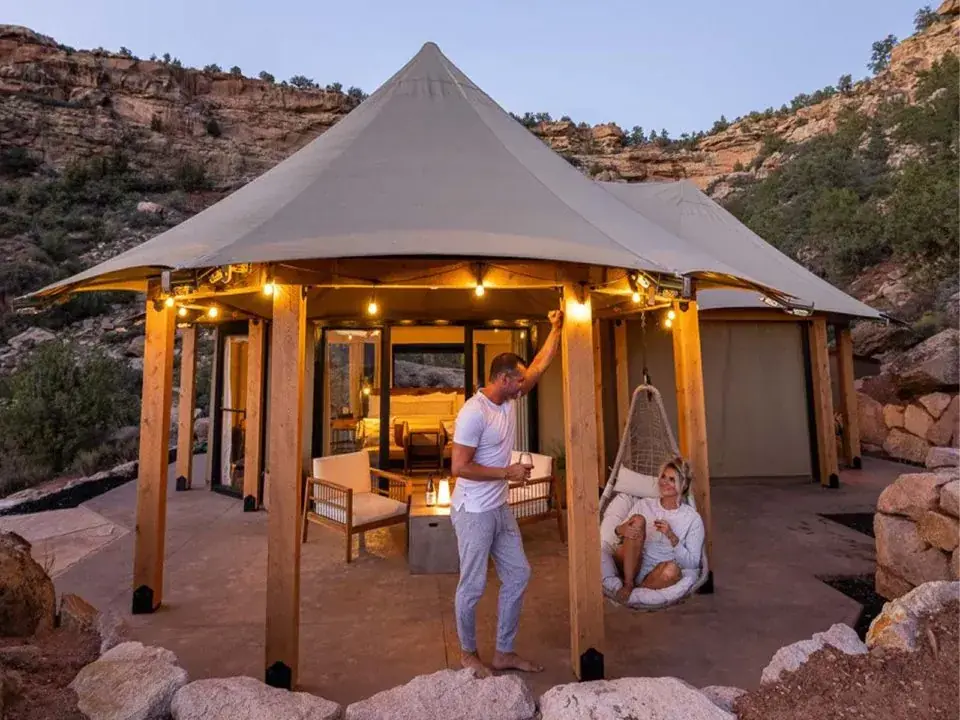
These classic structures feature large heavy-duty canvas membranes stretched over rigid structural timber or galvanized steel framework. They utilize elevated premium hardwood decks, multi-layered insulated canvas walls, and extended overhanging roofs to provide excellent natural ventilation and shade. However, safari suites are vulnerable to high wind tearing forces and require manual winter fabric removal in high-snowfall mountain regions.
2. Geodesic Insulated Domes
Characterized by a complex network of triangular struts forming a highly stable spherical frame, these architectural domes offer unparalleled structural strength. They provide exceptional volume-to-surface-area ratios, high wind resistance, and can support thick internal layers of aerospace-grade radiant insulation liners. The primary operational trade-off is limited natural cross-ventilation, which requires the installation of active mechanical solar ventilation systems.
3. Elevated Architectural Treehouses
Built high off the forest floor using heavy-duty steel support columns or specialized non-damaging tree-clamp systems, these structures provide unique canopy views. They utilize traditional residential framing techniques mixed with lightweight architectural glass walls to create highly stable, fully insulated luxury spaces. The main structural challenges are managing complex vertical plumbing layouts and accommodating natural tree movement during high-wind storms.
4. Rigid Mirror Glass Cabins
Located across remote desert or alpine landscapes, these structures utilize high-strength structural steel chassis covered in high-efficiency reflective mirror glass panels. They offer maximum thermal insulation performance and blend seamlessly into surrounding environments by reflecting the local landscape. The primary operational challenge is managing constant glass cleaning schedules and mitigating local avian collision risks using specialized ultraviolet window coatings.
5. Repurposed Heritage Rolling Stock
Utilizing historic wooden shepherd wagons, vintage rail cars, or polished aluminum aerodynamic trailers, these mobile units offer unique historic aesthetics. They feature highly durable, completely weather-sealed shells that can be easily moved using integrated heavy-duty wheeled chassis. The main limitation is their restricted narrow interior layouts, which limits creative architectural design and requires custom compact furniture installations.
6. Translucent Clear-Roof Stargazing Yurts
Based on traditional circular lattice walls, these modernized structures incorporate heavy-duty compression rings supporting large, optically clear vinyl roof cones. They provide excellent interior living spaces with unobstructed vertical views of the night sky while maintaining a highly stable wind-shedding profile. The primary engineering challenge is managing intense interior greenhouse heat gain during sunny summer days, requiring specialized automated shade sails.
Structure Typology Performance Comparison Table
The following table compares these primary semi-permanent luxury structures across critical engineering, load, and operational metrics.
Operational Selection Matrix
Selecting the ideal structure requires balancing regional zoning limits with local climate profiles and specific return-on-investment targets. Building an uninsulated canvas safari suite in a high-latitude mountain zone results in short operating seasons and expensive seasonal fabric removal costs.
Conversely, installing a highly stable geodesic dome allows for year-round bookings, maximizing revenue throughout the winter months. Property developers must prioritize structural durability and thermal performance over pure aesthetic novelty when planning new luxury experiential lodging projects.
Detailed Real-World Scenarios
Scenario 1: Managing Thermal Heat Failures in Utah
During an intense summer heatwave in an arid desert basin, a luxury geodesic dome property experienced a severe interior climate control failure. The structure’s standard mini-split air conditioner ran continuously but failed to cool the dome because the transparent panoramic window lacked an exterior UV shade sail. To resolve this thermal issue, the site maintenance team installed a heavy-duty, automated exterior reflective shade structure.
The exterior shade sail blocked high-angle solar rays before they hit the window glass, dropping internal dome temperatures back into luxury comfort zones. This event highlights why installing active radiant barriers and external shading systems is vital before operating clear-span dome structures in desert environments.
Scenario 2: Surviving a Flash Flood Inundation in Texas
A premium glamping resort situated along a limestone river valley faced a sudden flash flood after intense upland storms. Because the canvas safari suites were built on screw-pile foundations elevated six feet above the historic flood plain, the living quarters remained dry.
The main damage was limited to low-lying gravel footpaths and ground-level landscape lighting arrays. This successful performance proves the value of elevating luxury semi-permanent structures well above theoretical flood levels when developing near active river basins.
Scenario 3: Overcoming an Off-Grid Solar Outage in Montana
During a multi-day winter blizzard at an isolated mountain glamping property, the main lithium-iron-phosphate battery bank suffered a total power drain. The solar panels were completely covered by deep snow, causing the primary off-grid system to shut down and disabling the electronic heating controllers. The resort’s automated utility management system instantly activated a backup propane-powered generator.
The backup generator restored electrical power to the hydronic floor heaters instantly, preventing the internal water lines from freezing and cracking. This scenario demonstrates why installing independent dual-fuel utility backups is required to protect expensive structural plumbing systems during extreme winter storms.
Scenario 4: Mitigating High-Wind Membrane Failure in Oregon
A coastal safari-tent development was hit by unexpected storm winds that peaked at seventy-five miles per hour along the beachfront. One unit suffered a major structural failure when an improperly tensioned ratchet strap snapped, allowing the canvas roof membrane to flap violently and tear away from its anchors.
The maintenance crew immediately moved the guests to a rigid geodesic dome unit that remained perfectly stable due to its wind-shedding aerodynamic shape. This failure analysis confirms that strict, weekly fabric tension audits are mandatory to prevent wind-catching tears on large canvas structures.
Planning, Cost, and Resource Dynamics
Analyzing Complex Hospitality Development Capital
Building a premium semi-permanent enclave across the top romantic glamping destinations usa requires a detailed breakdown of both initial capital expenditures and ongoing operational costs. Clear-span architectural textiles represent only a small portion of the total financial investments needed to launch a successful luxury resort. Developers must budget for complex off-grid septic systems, heavy-duty commercial solar arrays, and the high cost of hauling materials to remote sites.
Furthermore, installing luxury structures on steep, rocky, or isolated terrain carries a notable civil engineering premium that affects early profitability metrics. Evaluating these cost variables through an organized financial model prevents budgeting shortfalls and ensures the property remains fully funded through the construction phase.
Definitive Capital Expenditure and Operating Expense Matrix
The following table outlines the typical development costs and ongoing maintenance budgets associated with building high-end glamping structures.
The Realities of Off-Grid Operational Cost Variances
Ongoing operational expenses can fluctuate wildly based on how far a luxury property sits from regional supply centers and maintenance contractors. For example, pumping out an isolated off-grid septic vault during peak tourist seasons often costs double the standard municipal waste rate due to heavy travel surcharges.
Similarly, sourcing a specialized replacement vinyl panel for a torn dome window requires paying expensive air-freight shipping fees to prevent long booking cancellations. Recognizing these hidden logistical pricing dynamics separates basic hotel business projections from professional, remote real estate asset management.
Tools, Strategies, and Support Systems
Essential Equipment for Off-Grid Hospitality Infrastructure
Operating premium semi-permanent developments safely requires utilizing a specific mix of smart energy tracking systems, mechanical maintenance tools, and advanced water treatment hardware. These critical support systems ensure that resort staff maintain full operational awareness and keep utility systems running cleanly without relying on municipal hookups.
1. Smart Microgrid Power Telemetry Monitors
When operating remote luxury developments entirely on solar energy, real-time battery monitoring systems are critical. These digital tracking units provide continuous data on current solar input, total energy burn rates, and individual unit power consumption trends. To protect system health, property managers can utilize this data to turn off non-essential exterior lighting automatically before battery levels drop too low.
2. Multi-Stage Ultrafiltration Water Systems
Sourcing clean drinking water from shallow wilderness wells or surface springs requires installing heavy-duty water filtration equipment. Multi-stage filtration systems utilize dense sediment pre-filters, activated carbon blocks, and high-intensity ultraviolet sanitizing bulbs to kill harmful bacteria completely. This thorough treatment process provides clean water to luxury soaking tubs while protecting expensive plumbing fixtures from mineral scaling.
3. Deep-Driven Industrial Earth Anchors
Securing large fabric structures against sudden, violent windstorms requires moving past basic steel ground stakes. Industrial screw-piles and heavy-duty percussion earth anchors are driven deep into stable subsoil layers using specialized hydraulic machinery. This deep anchoring system provides immense uplift resistance, preventing large canvas safari suites from shifting or lifting off their foundations during severe weather events.
4. Custom Heat-Trace Plumbing Insulation Wraps
Exposed under-deck plumbing lines are highly vulnerable to freezing and cracking during unexpected high-altitude winter drops. Wrapping all external water lines in automated, thermostatically controlled heat-trace cables provides reliable freeze protection by warming pipes only when temperatures near freezing. This automated system eliminates the need to manually drain water lines during brief cold snaps, protecting booking schedules.
5. High-Capacity Eco-Friendly Composting Toilets
Installing traditional underground septic tanks is often blocked by strict environmental rules near sensitive lakes or rocky landscapes. High-end, odorless composting toilet systems utilize internal heating elements and active electric exhaust fans to break down waste cleanly into dry compost. This self-contained approach simplifies local building approvals and protects local groundwater tables from nutrient pollution.
6. Automated Fire Suppression Mist Arrays
Because semi-permanent structures often feature wood-burning stoves and sit far from municipal fire stations, fire safety is a top priority. Installing compact, high-pressure water mist suppression systems provides rapid flame control while using a fraction of the water required by standard indoor sprinklers. This efficient water use protects limited off-grid water reserves while ensuring guest safety during rare emergencies.
7. Commercial-Grade Fabric Cleaners and Protectants
Outdoor fabric structures face constant degradation from falling tree sap, bird droppings, mold spores, and intense sun exposure. Maintenance crews must utilize specialized, non-toxic bio-fungicide sprays and fluoropolymer water-repellent sealers during routine cleanings to protect fabric lifespans. This active treatment preserves canvas breathability, prevents water leaks, and keeps exterior surfaces looking clean and premium for arriving guests.
Risk Landscape and Failure Modes
Analyzing Compounding Infrastructure Failures
The very factors that attract travelers to explore romantic glamping destinations usa—such as deep wilderness isolation and raw nature access—also introduce unique operational challenges. A minor failure within an off-grid utility system can quickly cascade into a serious luxury service disruption if support teams cannot fix problems immediately.
By studying these potential failure points thoroughly, resort operators can build smart, preventative maintenance schedules into their daily workflows. This foresight protects the physical condition of expensive structural assets while ensuring a seamless, high-end experience for every arriving guest.
Comprehensive Glamping Risk Assessment Matrix
The following matrix outlines the primary risk factors, compounding effects, and engineering solutions for remote semi-permanent hospitality properties.
Minimizing Long-Term Damage Profiles
Preventing cascade damage requires installing real-time telemetry sensors that track sub-floor humidity levels and solar inverter outputs continuously. For example, if an off-grid battery bank begins to lose capacity rapidly, an automated dashboard alert should notify maintenance teams long before a total power blackout occurs.
Additionally, operations managers must schedule detailed physical checks of all fabric tension straps and structural roof seals before heavy seasonal storm cycles begin. This disciplined, preventative approach reduces reliance on emergency repair contractors, who often charge expensive travel fees to visit remote areas.
Governance, Maintenance, and Long-Term Adaptation
Managing Remote Structural Hospitality Assets
Keeping a semi-permanent luxury asset performing reliably requires a strict, calendar-based maintenance schedule that adapts to changing seasonal environmental conditions. Without regular physical inspections, harsh wilderness elements will rapidly break down premium performance fabrics and compromise critical sub-floor utility connections.
Property managers must utilize a layered inspection checklist to ensure that every structure remains fully operational and meets high hospitality standards year-round. This rigorous approach protects your real estate investments and ensures a clean, safe, and predictable experience for every arriving guest.
Layered Structural Maintenance Checklist
This three-tiered inspection manual outlines the critical maintenance tasks required to protect semi-permanent luxury structures from premature environmental wear.
Measurement, Tracking, and Evaluation
Evaluating Property Operational Metrics
Monitoring the performance of a remote semi-permanent structure requires tracking both precise utility metrics and subtle physical feedback signs. Relying entirely on lagging indicators, such as a total pipe freeze or a major fabric tear, means discovering problems after damage has already disrupted your booking calendar.
Resort operations managers must utilize automated data logging tools to track unit performance across changing weather conditions and guest usage levels. This continuous data collection allows maintenance teams to spot failing components and service them before they cause a total utility outage.
Sample Site Maintenance Logs
The following examples illustrate how professional property managers document and track critical structural and utility metrics to ensure long-term operational reliability.
Common Misconceptions and Oversimplifications
Myth 1: Luxury Glamping Is Simply Upscale Standard Camping
Many people assume that high-end glamping is just traditional camping modified with nice furniture and premium bedding inside a standard canvas tent. In reality, a true luxury installation requires complex engineering, permanent elevated foundation decks, and professional utility systems built to rigid building codes.
These structures feature advanced insulation, climate control, and luxury plumbing that mimic high-end residential suites. Treating these complex building assets like basic camping gear leads to poor site planning and rapid material decay.
Myth 2: Fabric Structures Cannot Keep Out Severe Winter Cold
Another common misconception is that semi-permanent canvas tents or geodesic domes are only usable during the warm summer months. In truth, modern glamping units utilize multi-layer aerospace-grade radiant insulation liners that reflect heat inward very efficiently.
When paired with high-efficiency ductless mini-splits or automated hydronic floor heating, these structures maintain comfortable interior temperatures during sub-zero winter blizzards. This winter capability allows luxury eco-resorts to operate year-round, generating steady revenue through all four seasons.
Myth 3: Off-Grid Utility Systems Are Always Unreliable
Travelers often believe that staying at an off-grid property means dealing with low water pressure, flickering lights, and unreliable power systems. However, modern commercial solar microgrids utilize advanced lithium-iron-phosphate batteries and smart power management software to deliver steady, grid-equivalent electricity.
Similarly, high-pressure water pumps and multi-stage filtration loops ensure consistent water pressure that easily matches traditional luxury hotels. A properly engineered off-grid system provides seamless utility services without causing any interruptions for the guest.
Myth 4: Semi-Permanent Structures Require Zero Local Permitting
Property developers frequently think they can bypass local zoning laws and building permits by installing temporary canvas tents instead of permanent cabins. In reality, modern commercial glamping operations are subject to strict health, safety, and environmental regulations across most states.
Local boards demand detailed plans covering fire suppression, proper waste management, and structural wind-load certifications before granting business licenses. Skipping these necessary legal approvals can result in expensive construction stop-orders and severe financial fines for the project.
Myth 5: Treehouse Units Do Not Cause Damage to Living Trees
There is a popular belief that building a luxury treehouse unit is a completely harmless way to enjoy the forest canopy. In truth, driving standard lag bolts directly into tree trunks can introduce dangerous wood-rotting fungi and cut off vital nutrient channels.
Professional treehouse builders utilize specialized, non-damaging tree-attachment bolts that allow the tree to grow naturally without binding. Regular inspections by certified arborists are mandatory to ensure the long-term health of the supporting trees remains protected.
Myth 6: Geodesic Domes Are Entirely Maintenance-Free
Because geodesic domes feature high structural strength and simple shapes, developers often assume they require zero ongoing maintenance after installation. However, the large polycarbonate panoramic windows are highly vulnerable to ultraviolet yellowing and fine surface scratching from windblown sand.
Maintenance crews must clean exterior surfaces regularly and apply specialized polymer shield films to prevent the windows from becoming cloudy. Ignoring these necessary surface treatments rapidly ruins the mountain views that guests pay premium prices to experience.
Myth 7: Placing Units Closer Together Increases Resort Profitability
A final common oversimplification is assuming that crowding as many units as possible onto a piece of land maximizes total revenue. In reality, luxury travelers place an immense value on absolute acoustic and visual privacy when booking high-end wilderness stays.
Crowding units too close together causes sound and visual bleed, resulting in poor guest reviews and forcing you to lower nightly rates. Spacing units out along natural land contours preserves the feeling of isolation, allowing operators to command top premium prices.
Ethical, Practical, or Contextual Considerations
Balancing Public Access and Environmental Conservation
The rapid growth of luxury glamping properties near sensitive ecosystems introduces important ethical challenges regarding land use and environmental protection. Developing these large semi-permanent resorts can easily displace local wildlife populations, increase regional traffic on quiet rural roads, and strain small mountain utility systems.
Furthermore, clearing native trees and installing bright outdoor lighting can disrupt local dark-sky corridors and disturb nocturnal wildlife migration patterns. Responsible developers counter these negative impacts by choosing low-impact building techniques, like screw-pile foundations, and using dark-sky-compliant downward lighting fixtures.
Additionally, forward-thinking operators build raised wooden boardwalks between units to keep guest foot traffic completely off delicate forest soils and ground plants. This protective layout prevents soil compaction, helping native grasses and flowers thrive naturally beneath the guest walkways. Ultimately, the long-term success of the luxury experiential lodging sector depends on maintaining a healthy balance between running a profitable business and protecting nature.
Conclusion
Integrating Architecture with Nature
A successful luxury semi-permanent development requires a deep understanding of the relationship between advanced material engineering and fragile wilderness environments. True property resilience is defined by a structure’s fabric quality, its off-grid utility redundancy, and the skill level of the maintenance crew.
By looking past superficial travel marketing, resort developers can select architectural styles and site layouts that ensure complete safety in remote regions. This structured, data-driven planning eliminates operating guesswork, allowing hospitality teams to focus entirely on delivering a seamless wilderness experience in complete luxury.
Navigating the Future of Sustainable Lodging
As changing weather patterns bring more severe storms and unexpected temperature swings, the engineering standards used to build glamping resorts must advance. Future semi-permanent properties will increasingly integrate smart energy microgrids, automated water reclamation systems, and biodegradable performance fabrics to meet strict eco-rules.
Operators who actively invest in high-durability structures and disciplined maintenance programs will continue to secure reliable, long-term real estate returns. A well-engineered luxury enclave demonstrates how modern architectural design can coexist beautifully with raw nature, allowing guests to explore wild landscapes with complete confidence.