Financial Engineering Manual: How to Plan Honeymoon on a Budget
How to plan honeymoon on a budget. The orchestration of post-nuptial leisure travel within rigid fiscal boundaries demands an analytical approach to global hospitality pricing, transport logistics, and asset distribution models. Consumer marketing networks routinely frame the wedding journey as an exceptional event that justifies unchecked financial expansion. This cultural pressure frequently encourages couples to accumulate high-interest debt during a major household transition. An objective evaluation of travel structures demonstrates that high-utility itineraries can be successfully designed without committing excessive financial resources.
Executing an affordable, high-value journey requires a thorough investigation into the wholesale travel supply chain, regional labor patterns, and currency disparities. The global tourism industry is highly fragmented, featuring seasonal pricing shifts, complex airline booking tiers, and hidden operational surcharges. Traveling partnerships must systematically audit these underlying industry dynamics to maximize the purchasing power of their saved capital. By abandoning emotional selection criteria, couples can protect their long-term financial security while securing a deeply restorative experience.
This framework functions as a technical reference for planning, auditing, and executing cost-controlled post-wedding itineraries. By filtering geographical and tactical choices through established corporate procurement models, couples learn exactly how to balance capital limits against travel comfort. The ultimate goal is to provide a reliable methodology for establishing an elegant, friction-free itinerary that delivers deep psychological recovery. The following analytical sections provide the structural insights required to turn a complex financial constraint into a structured blueprint for logistical success.
Understanding “how to plan honeymoon on a budget”
The structural phrase “how to plan honeymoon on a budget” represents a highly complex optimization puzzle within modern travel procurement. Consumer media regularly oversimplifies this process, offering generic lists of cheap destinations, coupon codes, or minor cost-cutting tips. This superficial perspective fails because it assumes all traveling partnerships have the same comfort thresholds, risk parameters, and scheduling flexibility. A realistic strategy treats budget travel planning as an exercise in resource allocation, requiring an explicit understanding of trade-offs between convenience, location quality, and capital expenditure.
Deconstructing the Value Blueprint
To achieve real financial efficiency without sacrificing the special nature of the journey, couples must evaluate properties and transport systems using three main structural criteria:
-
The Resource Substitution Index: The capacity to replace expensive, marketed luxury services with lower-cost alternatives that deliver identical psychological utility.
-
The Geo-Arbitrage Coefficient: The financial advantage gained by traveling to regions where local currency valuations lower the real cost of luxury lodging and fine dining.
-
The Structural Flexibility Quotient: The willingness to alter departure dates, flight paths, and accommodation types based on real-time market inventory data.
Identifying the Risks of Extreme Thrift
When couples attempt to lower expenses without an analytical plan, they often fall into traps that compromise the integrity of their trip. A cheap flight itinerary featuring multiple long layovers can leave travelers exhausted, ruining the first few days of their stay. Similarly, choosing an inexpensive hotel located far outside a central city district simply creates high local transit costs and wastes limited daylight hours.
Therefore, mastering how to plan honeymoon on a budget requires a strict methodology that looks beyond the initial price tag. Planners must calculate the true total cost of every logistics layer, ensuring that capital reductions in one area do not cause functional failures somewhere else.
Deep Contextual Background and Market Evolution
The concept of the post-nuptial journey evolved significantly during the nineteenth century, emerging alongside the rise of industrial transport networks in Western Europe. Initially, wealthy families utilized these extended journeys as educational tours to visit major cultural monuments, historic capitals, and alpine health spas. These early itineraries relied on long travel durations, extensive personal luggage transport, and a substantial staff to manage daily logistics. The underlying economic model was highly exclusive, functioning as a clear display of family capital rather than a private period of rest.
The Rise of Mass-Market Commercialization
The democratization of commercial aviation and the expansion of packaged resort properties in the mid-twentieth century shifted the honeymoon market toward mass consumption. Travel agencies began marketing self-contained tropical resort packages specifically to middle-class households, using uniform pricing models to reduce planning complexity. This institutional shift turned a highly personalized travel tradition into a standardized consumer product, encouraging couples to view luxury through a lens of predictable consumption.
Navigating the Modern Algorithmic Ecosystem
In the current travel landscape, the procurement process is governed by sophisticated revenue-management algorithms and global distribution networks. Airlines and hotel conglomerates adjust their pricing models in real time based on changes in web traffic, local weather forecasts, and international booking trends. This extreme price fluidity means that traditional, static budget strategies are no longer sufficient to guarantee value. Modern travelers must approach the market with a clear understanding of dynamic inventory shifts, using strategic timing to secure premium assets at wholesale prices.
Conceptual Frameworks and Mental Models

To systematically design a cost-controlled travel plan, couples can use several clear mental models that look past promotional marketing.
The Arbitrage Frontier Model
This framework identifies geographic locations where your home currency possesses disproportionately high purchasing power due to local economic conditions. By mapping regional consumer price indices against current exchange rates, planners can find destinations where premium dining, private transport, and boutique lodging cost significantly less than similar options at home.
Using this frontier allows couples to access luxury experiences that would normally be out of reach within a domestic market.
The Friction-to-Finance Equilibrium
This logistics model charts the relationship between the financial cost of a transit segment and the physical or mental friction it introduces. Lowering your flight costs by selecting an itinerary with a twelve-hour overnight layover significantly increases transit friction.
Planners must evaluate whether a specific cost saving is worth the corresponding drop in physical energy. The goal is to identify savings that introduce minimal friction, such as choosing an early morning departure that keeps the travel path direct.
The Utility Cap Matrix
This behavioral model prevents overspending by identifying the exact point where spending additional capital no longer increases your actual enjoyment of an experience. Upgrading from a standard boutique room to a presidential suite can double your accommodation costs while only adding unused square footage. By recognizing where your personal enjoyment caps out, you can stop overpaying for unneeded luxury features and redirect that capital toward high-impact experiences like private excursions or regional culinary tours.
Key Categories or Variations of Budget Travel Architecture
Post-nuptial itineraries can be organized into distinct structural models based on their transport mechanics, accommodation types, and daily structures. Each variation offers clear financial benefits while carrying specific operational trade-offs.
The Regional Road Expedition
This model focuses on driving to scenic destinations within a few hundred miles of your home base, completely eliminating the need for expensive commercial flights. Couples can utilize their own vehicles to transport gear, control their daily schedule, and explore lesser-known provincial state parks or coastal towns. The primary trade-off involves vehicle wear-and-tear, fuel price fluctuations, and the physical effort required to drive long distances.
The Shoulder-Season Enclave
This strategy involves traveling to premium international beach resorts or historic European cities during the brief transitional weeks right before or after the peak tourist season. Properties routinely lower their baseline room rates by forty to sixty percent during these windows to maintain steady occupancy levels. The primary risks include variable local weather conditions, limited schedules for regional ferry systems, and occasional seasonal closures of top-tier restaurants.
The Off-Grid Eco-Habitation
This structure utilizes alternative glamping platforms, rural cabins, or managed farm-stays integrated directly into natural landscapes rather than traditional urban hotels. These properties lower their operating overhead by operating outside major resort zones, passing those savings along to guests in the form of lower nightly rates. The structural constraints include reduced access to room service, reliance on local vehicle rentals, and occasional limitations in cellular network coverage.
The Urban Multi-Hub Transit
Built entirely around high-density metropolitan areas with extensive public train networks, this model utilizes budget boutique hotels situated just outside major city centers. Travelers can leverage cheap regional trains and metro passes to access world-class museums, public parks, and local street food markets at minimal cost. The main trade-offs include smaller room dimensions, higher ambient city noise, and the physical effort of navigating busy transit hubs with luggage.
Strategic Selection Logic
Selecting the optimal travel structure requires an honest assessment of the couple’s shared patience and comfort requirements. If a partnership faces significant professional exhaustion, the decision matrix should automatically avoid urban multi-hub options due to the ongoing sensory stimulation they introduce. Instead, priority should be given to shoulder-season enclaves or off-grid habitations, where a slower daily pace allows for deep mental recovery without requiring a massive financial investment.
Detailed Real-World Scenarios and Operational Inversions
Evaluating real-world travel planning choices helps highlight the hidden challenges and failure modes that can quickly compromise a budget-conscious itinerary.
Scenario A: The Hidden Airport Transit Deficit
A couple attempts to optimize their European honeymoon budget by purchasing ultra-low-cost carrier flights into an alternative regional airport. The tickets cost sixty percent less than flights landing at the primary international hub near the city center.
Operational Breakdown
The financial failure mode occurs upon arrival when the couple realizes the alternative airport sits eighty miles outside the city limits. Because their flight landed late in the evening, local public train options are no longer running for the night.
They are forced to take an expensive private taxi to reach their hotel, completely wiping out the initial savings from the cheap flight tickets. This scenario demonstrates the necessity of calculating total point-to-point transit costs before booking alternative routes.
Scenario B: The Unbundled Resort Surcharge Squeeze
A pair books a highly affordable week-long stay at a beachfront property in Central America, assuming their fixed room rate covers most daily amenities.
Financial Inflation
The hidden costs emerge during checkout when the front office adds mandatory daily resort fees, high taxes, and premium wifi charges to the final bill. Furthermore, because the property sits in an isolated location, the couple is forced to eat exclusively at the expensive onsite hotel restaurants.
The total out-of-pocket expenditure ends up matching the cost of a premium all-inclusive resort, proving that unbundled property rates can easily mask a high total cost.
Scenario C: The Rigid Shoulder-Season Weather Trap
A couple schedules a low-cost honeymoon to a Mediterranean island during the final week of October, taking advantage of major seasonal price drops.
Environmental Disruption
The operational challenge hits when a major autumn storm system moves over the region, bringing cold rain and high winds that cancel all local boat tours. Because the island’s tourism economy shifts to winter schedules during this week, most beachfront businesses and local restaurants are already closed for the season.
The couple spends their vacation stuck inside a damp hotel room with limited dining options, showing that extreme shoulder-season planning requires a solid backup plan for bad weather.
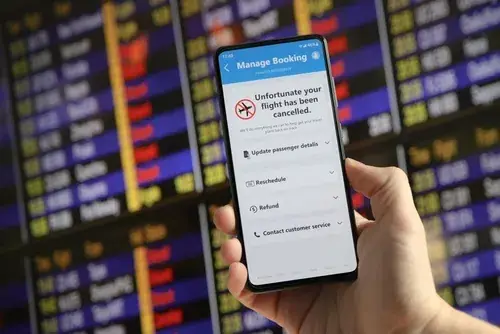
Scenario D: The Airline Cancellation Cascade
A pair builds a complex multi-city itinerary across Southeast Asia using separate one-way tickets on different budget airlines to keep flight costs minimal.
Schedule Collapse
The system fails when their primary morning flight suffers a four-hour mechanical delay, causing them to miss a secondary connection booked on a different airline. Because the tickets were purchased independently, the secondary carrier classifies them as a no-show and cancels their remaining return flights without a refund.
The couple must buy expensive, last-minute replacement tickets, demonstrating why building flexible time buffers between independent transit segments is a critical safety step.
Planning, Cost, and Resource Dynamics
Managing a cost-controlled travel plan requires looking past the upfront sticker prices to understand how different expense layers interact across your entire itinerary.
Unbundling the Baseline Capital Layout
Planners must separate fixed capital expenses—such as international flights and hotel room bookings—from fluid daily operational costs like local meals, museum entries, and train tickets. When analyzing your overall layout, you should focus on minimizing fixed lodging costs through tactical booking strategies. This discipline helps preserve a larger portion of your budget for daily experiences, where spending money directly increases the enjoyment and memories of the journey.
The Opportunity Cost of Transit Choices
Every financial saving achieved through a longer, more circuitous route carries an automatic opportunity cost in the form of lost vacation time. Spending an entire day waiting around in intermediate airport lounges to save fifty dollars on a flight removes twelve valuable hours from your actual destination experience. Couples must treat their limited vacation days as a precious resource, ensuring that efforts to lower expenses do not end up draining the time they have to explore together.
Tools, Strategies, and Support Systems
Successfully navigating the global travel marketplace requires using a reliable set of digital tools and proactive tracking systems to protect your budget from common industry pricing tricks.
Aggregated Airfare Predictive Monitors
Planners should utilize independent flight comparison platforms that feature historical pricing databases and automated fare prediction tools. By setting up targeted alerts for specific regional routes months in advance, you can track structural market shifts without checking sites manually every day. These systems notify you automatically when an airline opens up a lower-priced inventory tier, allowing you to lock in base transit costs at the ideal moment.
Decentralized Accommodation Direct Sourcing
While major online booking engines offer a convenient way to research properties, they often add substantial commission fees to the final room rate. Once you identify a promising boutique hotel or guest house, you should reach out directly to the property’s front office via email or their official website.
Properties are often willing to beat the third-party engine price or include complimentary perks like daily breakfast to avoid paying high commission fees to online intermediaries.
Incognito Browser Digital Verification
Travel search engines frequently track your recurring visits using browser cookies, occasionally inflating displayed airfares and hotel rates if they detect high intent to buy a specific route. To ensure you are seeing completely unbiased, baseline market rates, you should always perform fare research using incognito windows or cleared browser histories. This simple technical step protects your search data from dynamic pricing systems designed to pressure you into booking through artificial price increases.
Point-Based Loyalty Asset Maximization
Couples should audit their collective credit card reward points, frequent flyer balances, and hotel loyalty memberships well before finalizing any itinerary. Combining these existing point assets can often cover the entire cost of an international flight segment or secure several complimentary nights at a premium hotel chain. Utilizing points to handle these large fixed capital costs frees up significant cash reserves, allowing you to reallocate your remaining budget toward unique local experiences.
Risk Landscape and Compounding Failure Modes
Operating a travel itinerary on a strict budget introduces specific vulnerabilities that can expand quickly if multiple unexpected events happen at the same time.
The Emergency Medical Deficit
A common planning oversight among budget conscious couples is declining to purchase a dedicated international travel medical insurance policy. If a partner experiences a sudden acute illness or dental emergency while traveling in a foreign country, out-of-pocket hospital costs can instantly devastate a household’s cash reserves.
Securing a basic, comprehensive medical travel policy transfers this major financial risk to an external underwriter, ensuring a health issue won’t turn into a financial crisis.
Local Currency Volatility Inversions
When itineraries are planned months in advance around a specific exchange rate, a sudden drop in your home currency’s value can quickly compromise your budget. This currency volatility can drive up the real cost of local dining, transport, and excursions by ten to twenty percent by the time you arrive.
Planners can hedge against this risk by pre-paying for their major lodging assets ahead of time or maintaining a dedicated cash cushion to handle sudden exchange rate shifts.
Essential Equipment Failures
The unexpected breakdown of an essential item—such as a primary smartphone camera, an offshore power converter, or durable walking footwear—can create immediate financial strain. Replacing these items last-minute in high-density tourist zones often forces you to pay inflated retail prices, draining cash earmarked for other activities.
Carrying a reliable field repair kit and packing durable, pre-tested gear helps minimize the need for emergency replacement purchases while traveling.
Governance, Maintenance, and Long-Term Adaptation
A successful cost-controlled travel strategy requires ongoing financial tracking before, during, and after the actual journey to ensure long-term stability.
Real-Time Expenditure Tracking
Couples should utilize a shared digital spreadsheet or a dedicated budgeting application to log every expense as it occurs during the trip. This practice ensures that minor out-of-pocket costs, such as morning coffee runs, local bus fares, and tips, are clearly visible rather than blending into a vague financial deficit. Reviewing these total figures together every few days allows you to spot early spending trends and adjust your activities before causing a major budget overrun.
Post-Trip Financial Appraisals
Within forty-eight hours of returning home, the partnership should spend an hour conducting an objective financial audit of the entire journey. This review should compare your actual expenditures against the initial projected budget categories to identify exactly where your forecasting models were accurate or flawed. Documenting these specific insights ensures that all future household vacation planning is built on realistic, real-world data rather than idealized calculations.
The Cost-Control Optimization Checklist
-
Total Route Audit: Have you verified the exact distance, transit method, and true cost of moving from the arrival terminal to the hotel door?
-
Inclusion Verification: Is there a clear, written confirmation detailing exactly which taxes, breakfasts, and amenities are included in your room rate?
-
Buffer Allocation: Does your budget feature an untouched fifteen percent cash reserve reserved exclusively for unexpected delays or medical emergencies?
-
Offline Document Security: Are all booking confirmations, travel insurance policies, and emergency phone numbers saved offline on multiple devices?
Measurement, Tracking, and Evaluation Systems
Evaluating the true success of a budget-conscious honeymoon requires tracking both clear financial metrics and qualitative indicators of personal rest.
Leading and Lagging Indicators
A leading indicator is a metric checked before your departure that correlates strongly with an affordable, stress-free trip, such as the percentage of fixed lodging costs pre-paid before leaving. A lagging indicator is analyzed after returning home, measuring data like the final variance between your projected and actual expenditures, or the total number of hours spent managing scheduling friction.
Qualitative vs. Quantitative Signals
Quantitative evaluation tracks clear, measurable data, such as your average daily food spend, total miles driven, or the exact exchange rates secured at the border. Qualitative tracking focuses on the psychological health, mood, and relaxation levels of the partnership under daily travel pressures.
A positive qualitative signal is a flexible, collaborative rhythm where both partners feel comfortable adjusting plans on the fly without experiencing financial guilt or relationship tension.
Practical Performance Records
-
Financial Tracking Entry (Shoulder Season Europe): “Booking our historic boutique stay three blocks back from the main canal lowered our nightly lodging costs by forty percent while only adding a five-minute walk to our morning routine.”
-
Logistical Efficiency Entry (Regional Road Trip): “Failing to pre-purchase city parking passes forced us to spend forty dollars daily on garage fees; future road itineraries must prioritize hotels that include complimentary parking.”
-
Experience Value Entry (Arbitrage Strategy): “Redirecting the cash saved on flights into a private cooking class in the countryside delivered our highest shared utility, confirming that experience investments outperform premium transport upgrades.”
Common Misconceptions and Oversimplifications
The global travel marketing ecosystem promotes several common myths that can easily mislead couples who are trying to plan an affordable wedding trip.
The All-Inclusive Is Always Cheaper Fallacy
A frequent mistake among planners is assuming that a budget-tier all-inclusive resort package automatically delivers the best total financial value. Many lower-priced all-inclusive properties use these bundles to secure high guest volumes, resulting in crowded buffet lines, low-quality ingredients, and restricted access to specialty dining.
Couples can often secure a significantly higher-quality experience by booking an independent boutique hotel and dining at authentic local restaurants outside the tourist zones.
The Booking at the Last Minute Savings Myth
There is a widespread belief that waiting until the final days before departure allows you to secure extreme discounts on flights and luxury hotels. While cruise lines and large mega-resorts occasionally dump unsold inventory at the last minute, commercial airlines typically jack up fares significantly as the departure date approaches.
Relying on last-minute booking systems generally reduces your options and introduces massive scheduling uncertainty, making early planning a much more reliable strategy for cost control.
The Coupon and Discount Hunting Illusion
Many couples spend dozens of hours scouring internet forums for minor coupon codes, generic discount links, or small retail promotions. This intense focus on tiny savings often distracts from the big financial choices that truly shape a travel budget, such as choosing the right destination or moving travel dates by two weeks.
Planners must focus their time and energy on major cost drivers like structural geo-arbitrage and season selection to achieve meaningful financial adjustments.
Ethical, Practical, and Sustainability Considerations
Planning an affordable honeymoon introduces important social and environmental responsibilities that couples must balance alongside their personal financial goals.
Practicing Low-Impact Local Tourism
When traveling to regions where your currency possesses high purchasing power, it is vital to practice responsible spending habits that support the local community. Exploiting local workers by aggressive bargaining over minor craft prices or failing to tip service staff fairly can harm the host community’s economy.
Couples should ensure that their cost savings come from smart scheduling and bypassing major corporate travel platforms, rather than cutting into the fair wages of local guides and hospitality workers.
Minimizing Your Environmental Footprint
Choosing more sustainable, lower-cost travel options often goes hand-in-hand with reducing your overall carbon and environmental footprint. Selecting a regional road trip over long-distance international flights significantly lowers the greenhouse gas emissions associated with your journey.
Additionally, staying at independent, eco-conscious guest houses that minimize single-use plastics and source food from local farms helps protect the natural beauty of your destination for future travelers.
Conclusion and Analytical Synthesis
Successfully designing a post-nuptial journey within clear financial boundaries requires moving past emotional marketing to focus on practical logistics and resource management. By using frameworks like geo-arbitrage, season selection, and direct sourcing, couples can easily build an elegant, high-value itinerary that protects their household’s long-term financial health. The ultimate success of a travel strategy relies on tracking expenses in real time, preparing for potential transit challenges, and prioritizing meaningful local experiences over superficial luxury markers. A carefully researched, budget-conscious honeymoon establishes a wonderful foundation for shared household planning, proving that deep exploration, romance, and fiscal responsibility can easily support each other on the road.