Evaluating Top Luxury Resort Models for Couples and High-End Hospitality Structures
The global luxury hospitality sector operates as a sophisticated ecosystem where real estate assets, highly managed labor pipelines, and bespoke service designs intersect. For discerning travelers, identifying the best luxury resort options for couples requires an analytical framework that looks past high-end marketing imagery and superficial hospitality metrics. The modern resort landscape has evolved far beyond the classic beachside hotel or mountain lodge into a collection of deeply specialized, capital-intensive properties designed to deliver complete privacy, operational perfection, and curated experiences.
Evaluating these properties demands a clear understanding of asset management, service engineering, and regional supply chains. A resort’s ability to maintain high-quality service depends on factors that are rarely visible in a glossy brochure. These include local labor retention rates, food supply line stability, and architectural choices that create real physical isolation. Without a structured method for evaluating these elements, travelers risk investing significant capital and limited time into properties that fail to deliver the expected level of relaxation or exclusivity.
This analysis serves as a comprehensive reference for evaluating, auditing, and selecting high-end hospitality accommodations. By examining these establishments through clear operational, financial, and spatial frameworks, couples can move away from impulse buying and adopt a professional procurement mindset instead. The following sections break down the underlying mechanics of luxury resort operations, providing a repeatable system for identifying properties that offer reliable service and genuine value.
Historical Evolution of High-End Shared Accommodations
The modern high-end resort market can trace its structural origins back to the aristocratic mineral springs and coastal retreats of nineteenth-century Europe. These early properties established the initial relationship between natural geographical features and highly structured leisure spaces. They operated primarily as wellness sanctuaries for the wealthy elite, where extended stays required complex onsite logistics, extensive domestic service teams, and strict social protocols. The underlying business model relied heavily on long-term seasonal residencies, predictable guest arrivals, and centralized estate management.
Post-War Aviation and Remote Spatial Development
The expansion of commercial aviation after World War II fundamentally transformed the geography of luxury hospitality. Remote islands in the Caribbean, South Pacific, and Mediterranean suddenly became accessible to international capital, triggering a massive wave of coastal property development. Developers began moving away from the traditional grand hotel structure in favor of sprawling, decentralized estate layouts. This architectural shift required significant investments in local infrastructure, including private power plants, water desalination facilities, and specialized logistics networks designed to import premium goods into isolated regions.
The Rise of Branded Premium Management
During the late twentieth century, the industry saw a clear shift from independently owned estates to highly standardized corporate management structures. International luxury brands developed strict operational handbooks that guaranteed a consistent level of service across different properties worldwide. This operational scaling relied on rigorous staff training academies, centralized global reservation systems, and automated supply chains. While this standardization improved reliability, it also created a market filled with highly predictable, uniform luxury experiences that often lacked a distinct connection to the local culture.
Modern Digital Customization and Fragmented Demand
Today, the high-end resort market faces a highly fragmented landscape driven by real-time digital access and rapidly shifting consumer expectations. Modern travelers increasingly reject uniform, cookie-cutter luxury, forcing properties to redesign their service models to support highly personalized itineraries. Advanced resource planning software now allows resorts to track individual guest preferences before they even arrive on site. Consequently, contemporary luxury is defined less by gilded furnishings and more by an estate’s ability to seamlessly adjust its physical space and service pacing to match the unique rhythms of each guest.
Evaluating Best Luxury Resort Options for Couples
When evaluating the best luxury resort options for couples, travelers must look past generic marketing labels like “romantic getaway” or “exclusive sanctuary.” In the global hospitality market, these terms are frequently used to mask underlying operational weaknesses, such as high guest densities, poorly trained seasonal staff, or aging physical infrastructure. A rigorous evaluation treats the resort as a complex service delivery system where physical design, staff-to-guest ratios, and spatial acoustics must align perfectly to protect the travelers’ privacy.
The Illusion of Total Seclusion
A common misunderstanding in premium travel planning is the belief that a high room price automatically guarantees physical privacy. Many high-end properties maximize their revenue by packing villas tightly along a single beachfront or ridge line, relying on thin rows of tropical plants for visual screening. This design practice creates major acoustic vulnerabilities, leaving guests exposed to noise from neighboring decks, golf cart paths, or nearby service walkways. A truly premium property avoids these conflicts by using clever landscape topography and structural orientations that ensure complete visual and acoustic isolation.
Service Pacing and Operational Friction
Another critical element to analyze is the resort’s service delivery model, specifically how it manages the interaction between staff and guests. Lower-tier properties often use a reactive service approach, where guests must constantly request basic items like fresh towels, water, or room service, creating ongoing micro-decisions that disrupt relaxation. High-end estates minimize this friction by using a predictive service model, where dedicated staff members subtly track guest movements to clean rooms, restock amenities, and arrange dining spaces while the travelers are away.
Navigating Shared Resort Spaces
Planners must also evaluate how a property manages its shared communal spaces, such as pools, beach lounges, and main dining rooms. Even an exceptional private villa can lose its value if the resort’s main pool is overcrowded or if guests must scramble to reserve beach chairs early in the morning. Premium resorts handle this dynamic by matching the capacity of their common areas directly to their total guest count, or by offering completely private leisure spaces within each villa to eliminate competition for amenities.
Conceptual Frameworks for Hospitality Evaluation
To systematically analyze competing properties without relying on emotional bias, planners can use several clear analytical frameworks.
The Spatial Isolation Index
This metric measures the actual physical buffer zone allocated to each guest unit within a resort property. It is calculated by dividing the estate’s total land area by the maximum number of operational keys, while also checking the minimum distance between villa borders. A high isolation index indicates that the resort has dedicated substantial capital to preserving open space, ensuring that guests can move around without feeling crowded by other travelers.
The Service Synchronicity Factor
This operational framework maps the time delay between a guest’s unexpressed need and the resort’s fulfillment of that desire. In standard resorts, service delivery follows a rigid schedule that forces guests to adapt their personal daily routines to the hotel’s operating hours. Premium properties use a highly flexible labor model, allowing housekeeping, kitchen staff, and recreation guides to adjust their schedules instantly to match the couple’s personal day.
The Visual Contamination Matrix
This design-focused framework identifies and rates all visual disruptions that break the illusion of an isolated natural environment. Visual contamination includes sights like exposed service roads, visible offshore commercial shipping lanes, or neighboring resort developments.
Properties with low visual contamination scores invest heavily in hidden service tunnels, advanced landscaping, and strategic architectural placement to keep all operational logistics completely out of the guest’s line of sight.
Structural Variations and Operational Categories
The luxury resort market features several distinct structural categories, each shaped by unique geographic settings, architectural constraints, and operational challenges.
Overwater Bungalow Enclaves
Popular across the South Pacific and Indian Ocean, these properties feature villas built on stilts directly over shallow marine lagoons, connected by long wooden walkways. They offer immediate access to marine life and uninterrupted ocean views, creating a unique floating living experience. The main operational trade-offs include high indoor humidity, constant exposure to wave noise, and long walks along exposed boardwalks to reach the main resort restaurants.
Rainforest and Jungle Eco-Lodges
Located in regions like Central America and Southeast Asia, these lodges integrate private villas directly into dense, undisturbed forest canopies. They offer unparalleled access to local wildlife and a deep connection to nature, often using sustainable architectural designs like open-air pavilions and natural ventilation. The primary challenges involve managing high insect populations, navigating steep, humid hillside paths, and handling sudden, heavy tropical rainstorms.
Private Island Reserves
These ultra-exclusive properties occupy an entire dedicated island, giving the operator complete control over security, privacy, and the surrounding environment. They provide the absolute highest levels of isolation and security, as access is restricted entirely to registered guests and staff. The main operational liabilities stem from their extreme isolation, making them vulnerable to supply delays, water production challenges, and complex transport connections involving helicopters or private boats.
Heritage Desert Sanctuaries
Found across North Africa, the Middle East, and the American Southwest, these resorts utilize traditional mud-brick or stone architecture integrated into vast desert landscapes. They offer clean air, dramatic stargazing, and exceptional thermal privacy, with thick walls that keep interiors cool during the day and warm at night. The core operational constraints focus on managing extreme daily temperature swings and securing reliable water pipelines in arid environments.
Historic Alpine Chateaus
Operating in mountain ranges like the European Alps or the Rocky Mountains, these historic properties combine classic stone-and-timber architecture with immediate ski-in, ski-out snow access. They feature cozy, fire-warmed indoor spaces, extensive thermal spa facilities, and excellent cold-weather dining options. The primary trade-offs are highly compressed, weather-dependent seasonal windows and complex winter road logistics during heavy blizzards.
Cliffside Mediterranean Estates
Perched along steep coastal cliffs in Southern Europe, these resorts offer dramatic panoramic sea views and vertical architectural layouts that step down to the water. Their tiered design creates highly private terraces that are completely hidden from the units above and below. The main physical drawbacks include steep staircases, limited sandy beach space, and reliance on slow cliffside funiculars or elevators to move around the property.
Strategic Operational Selection Logic
Choosing the correct resort category requires matching the couple’s current energy levels with the physical reality of the property’s layout. If partners are traveling to recover from demanding professional schedules, they should avoid jungle lodges or cliffside estates that require constant uphill walking or navigating steep stairs in humid weather. Instead, they should target private island reserves or flat overwater enclaves, where easy, level paths and golf cart services eliminate all daily physical strain.
Real-World Operational Scenarios and Failure Modes
Examining real-world operational challenges reveals how unexpected events can quickly test the service design of even the most expensive resorts.
Scenario A: The Remote Supply Chain Breakdown
A couple arrives at an ultra-luxury private island reserve in a remote archipelago, paying premium rates for a highly customized culinary experience. On the second day of their stay, the region experiences an unseasonal storm system that grounds all regional supply aircraft and halts local cargo boats for four consecutive days.
The resort’s operational vulnerability is exposed as the kitchen quickly runs out of fresh imported greens, premium meats, and specialized dairy products. Because the property lacks adequate hydroponic greenhouses or deep emergency food reserves, the menu shrinks to basic frozen goods and local root vegetables. The premium dining experience collapses because the resort’s supply chain lacked the necessary local buffers to withstand a routine weather delay.
Scenario B: The Shared Event Encroachment
A pair books a premium villa at a famous cliffside Mediterranean estate, seeking a quiet, peaceful environment to unwind.
The hidden conflict emerges on the third afternoon, when a large corporate group takes over the resort’s central terrace and main infinity pool for a three-day private launch event. The couple is suddenly forced to use a small secondary pool, deal with loud sound checks during the day, and eat at adjusted dining times. This breakdown occurs because the resort’s management prioritized high-volume event revenue over the spatial privacy promised to individual travelers.
Scenario C: The Severe Staffing Turnover Crisis
A couple selects a top-tier safari lodge during the peak wildlife migration season, expecting the seamless, highly personalized guiding service the property is famous for.
The failure mode triggers because the lodge recently experienced a sudden management dispute, causing several experienced head guides and trackers to leave right before the season started. The replacement staff, brought in quickly from other regions, lack deep knowledge of the local terrain and animal behavior. Consequently, the daily wildlife drives become disorganized, follow basic tourist routes, and fail to deliver the exclusive, expert-led experience the guests paid for.
Scenario D: The Local Infrastructure Failure
A pair checks into a luxury overwater bungalow enclave, looking forward to using their private plunge pool and enjoying the advanced climate control systems.
The second-order crisis hits when the resort’s central water desalination plant suffers a mechanical failure, cutting off the high-pressure water needed to heat and clean the private pools. At the same time, an unstable local power grid causes frequent air conditioning drops during the hottest hours of the day. Because the resort lacked secondary back-up generators and modular desalination parts, the luxury villa quickly becomes uncomfortable, proving that high-end hospitality cannot function without robust underlying engineering.
Capital Deployment, Logistics, and Financial Dynamics
The financial structure of a luxury resort stay involves a complex mix of upfront asset pricing, seasonal margins, and hidden service charges.
The Economics of Premium Daily Rates
The high cost of premium resort bookings is driven by the significant capital expenditures required to build and maintain these properties in remote areas. A true luxury estate maintains a staff-to-guest ratio of at least three-to-one, ensuring that service remains prompt and personalized even when the resort is fully booked. Additionally, these properties face ongoing maintenance costs to protect their buildings from harsh marine environments, jungle humidity, or intense desert heat, which keeps operating costs high year-round.
Managing Seasonal Price Swings
Resort pricing shifts dramatically throughout the year based on changing global weather patterns, wind conditions, and traditional holiday calendars. During peak seasons, rates often double or triple as wealthy travelers rush to secure the best weather windows, resulting in fully booked properties and busy communal spaces. Choosing to travel during the shoulder season—the brief windows right before or after peak season—allows couples to access the same high-end villas at a substantial discount while enjoying a much quieter property.
Strategic Assessment Tools and Verification Systems
To avoid falling for deceptive marketing imagery, planners should use an objective set of research steps to verify a resort’s true operational quality before booking.
Satellite Geometry Auditing
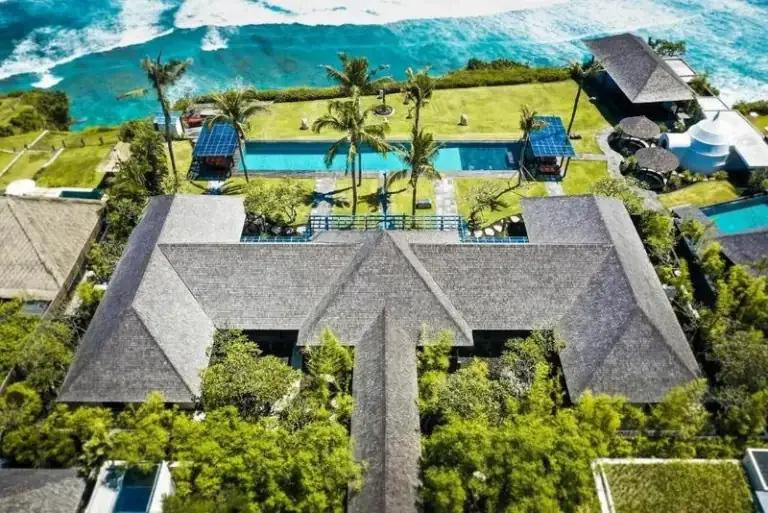
Planners should use high-resolution satellite imagery to study the true physical layout and spacing of a resort’s villas before making a reservation. Looking at the property from above reveals critical details that brochures often hide, such as the exact distance between villa decks or how close the units sit to noisy service roads and public beaches. This independent check ensures that the property’s layout delivers the physical privacy required for a relaxing stay.
Review Filter Analysis
When reading online reviews, planners should skip the generic five-star praise and filter specifically for mentions of construction noise, service delays, or plumbing issues. Checking feedback from the most recent sixty days provides a realistic picture of the resort’s current operational health and staffing levels. If multiple recent guests note slipping service standards or unmaintained facilities, it usually points to broader management issues that a glossy website cannot hide.
Direct Pre-Arrival Inquiries
Sending a detailed list of specific operational questions directly to the resort’s concierge before booking is an excellent way to test their responsiveness. Planners should ask about precise villa dimensions, current renovation schedules, or the exact menu limitations for specific dietary needs. A slow, generic response from the resort often indicates a disorganized front office, while a prompt, detailed reply shows that the property has the staff and training to handle complex requests seamlessly.
Risk Landscape and Failure Modes
High-end resort stays are exposed to a unique set of operational risks and external environmental challenges that can easily disrupt a vacation.
The Micro-Construction Disruption
Many premium resorts run ongoing cosmetic updates and structural repairs year-round to protect their buildings from intense sun, salt, and rain. If management fails to coordinate these efforts properly, guests may find their peaceful stay disrupted by the sound of power tools, staining fumes, or workers walking near private villa decks.
Planners can guard against this by demanding written confirmation that no structural maintenance will occur near their assigned villa during their stay.
Regional Labor Disputes
Luxury resorts in remote international destinations often rely heavily on local communities to fill critical hospitality, housekeeping, and maintenance roles. If local inflation or unfair wage practices trigger a labor dispute, the resort can experience sudden strike actions, high staff turnover, or slow service delivery. Because high-end hospitality depends entirely on a dedicated, highly trained team, any local labor tension will quickly impact the guest experience.
Extreme Weather Events
Because many luxury resorts are located in beautiful, delicate environments like low-lying coral atolls, dense rainforests, or steep coastal cliffs, they are highly vulnerable to sudden weather shifts. A passing tropical cyclone, unseasonal monsoon, or intense heatwave can cause power outages, flood access roads, or make water activities unsafe. Planners should study long-term regional climate trends rather than relying on generalized seasonal guides to select the safest travel windows.
Longitudinal Maintenance of Travel Profiles
Frequent luxury travelers should view their resort selections as part of an ongoing planning system that improves continuously with each trip.
Post-Stay Technical Appraisals
Within forty-eight hours of returning home, couples should conduct a quick, objective review of the resort’s operational performance while the details are still fresh. This assessment should focus on practical elements: Did the pre-arranged airport transfers operate smoothly? Was the villa’s acoustic isolation adequate? Did the kitchen handle menu adjustments seamlessly? Documenting these specific details helps ensure that future resort selections are built on clear personal experience rather than marketing promises.
Updating Personal Selection Criteria
Couples should use their post-stay notes to update their core travel preferences and planning metrics over time. If a review shows that a remote island lodge introduced too much travel fatigue due to multiple flight connections, future searches should target destinations reachable via a single direct flight. If a private butler service felt too intrusive, subsequent bookings can request a more hands-off, privacy-focused service model.
The Comprehensive Resort Audit Checklist
-
Acoustic Isolation: Are the villas spaced far enough apart to prevent hearing noise from neighboring decks and pathways?
-
Arrival Logistics: Is there a clear, seamless plan for moving from the international flight arrival to the resort transit?
-
Predictive Service: Does the staff independent clean rooms and restock amenities without requiring ongoing guest requests?
-
Supply Line Buffers: Does the kitchen maintain an adequate stock of fresh items to handle brief regional delivery delays?
-
Communal Capacity: Are the main pools, restaurants, and beach areas designed comfortably to handle a fully booked property?
System Performance Measurement and Tracking Indicators
Evaluating a major financial investment in a luxury resort stay requires tracking both clear pre-booking metrics and qualitative indicators of relaxation.
Leading and Lagging Indicators
A leading indicator is a metric checked before making a reservation to predict the quality of the stay, such as the resort’s staff-to-guest ratio or recent capital investments in infrastructure. A lagging indicator is analyzed after returning home, measuring data like the true total cost per day including out-of-pocket surcharges, or the total number of hours lost to logistics issues.
Qualitative vs. Quantitative Signals
Quantitative evaluation tracks measurable data, such as room square footage, the number of onsite dining venues, or the exact response time for room service requests. Qualitative tracking focuses on the general atmosphere, emotional connection, and flow of the vacation. A positive qualitative signal is a flexible, relaxed daily pace where both partners feel comfortable moving between activities and rest without friction. Negative signals include frustration with rigid dress codes, feeling rushed during meals, or a shared sense of relief upon checking out, which points to a mismatch between the resort design and the travelers’ expectations.
Practical Performance Records
-
Logistics Journal Entry (South Pacific): “The overwater bungalow provided exceptional marine access, but the long, unshaded boardwalk layout added twenty minutes of hot walking for every meal; future bookings must prioritize properties that offer golf cart service on demand.”
-
Dining Evaluation Entry (Caribbean): “The resort’s reliance on a single main restaurant caused dinner reservations to back up during peak hours, forcing us to eat later than preferred; future selections must feature at least three independent dining options.”
-
Service Delivery Record (Southeast Asia): “The predictive housekeeping team adjusted their cleaning schedule perfectly to match our changing morning routines, eliminating all awkward interactions; this specific service model should be prioritized in future property searches.”
Analytical Deconstruction of Industry Misconceptions
The high-end travel market is filled with common myths that can easily mislead couples who rely purely on standard consumer reviews and travel blogs.
The Myth of the Global Star Rating
Many travelers assume that a self-proclaimed five-star rating guarantees a uniform level of luxury anywhere in the world. In reality, there is no single international body that regulates hotel star ratings; criteria vary wildly between countries and are often based on basic amenities rather than true service quality. A property in one region might earn five stars simply for having an elevator and a large lobby, while failing to match the service standards of a boutique resort elsewhere.
The All-Inclusive Equals Premium Illusion
Another common mistake is believing that an all-inclusive label automatically means a luxury experience. Many properties use all-inclusive packaging to drive high guest volumes, resulting in crowded buffet lines, watered-down beverages, and rigid activity schedules. A true luxury resort rarely uses generic all-inclusive phrasing; instead, they offer highly customized, transparent pricing options that preserve individual choice and premium quality.
The Newest Property Is Best Fallacy
Travelers often rush to book brand-new resorts during their opening months, assuming that fresh buildings guarantee a flawless vacation. In practice, newly opened properties frequently suffer from major operational challenges, including untrained staff, broken booking systems, and unexpected construction delays.
Choosing an established resort with at least two years of operational history ensures that the service team has successfully resolved these early growing pains.
The More Amenities the Better Error
Many planners select resorts based on long lists of onsite amenities, such as multiple tennis courts, extensive retail arcades, and large fitness centers. However, maintaining these extensive facilities requires significant staff attention and drives up guest numbers, often ruining the quiet, intimate atmosphere that couples value most. Selecting a property with fewer, higher-quality amenities that match your specific interests is a much better way to ensure a peaceful stay.
Socio-Economic and Environmental Integration
The operation of high-end resorts can have a profound economic and environmental impact on the remote communities and delicate ecosystems where they are built.
Preserving Regional Economies
Many luxury properties operate as self-contained enclaves that import all their goods and rely on foreign management teams, leaving very little capital within the local economy. Truly responsible luxury resorts reverse this dynamic by hiring local residents for leadership roles, sourcing food from regional farmers, and funding community education initiatives. Supporting properties with deep local roots helps ensure that the economic benefits of tourism are shared fairly with the host community.
Environmental Stewardship in Fragile Ecosystems
Building premium accommodations in pristine environments like coral reefs or old-growth rainforests requires ongoing efforts to minimize the resort’s ecological footprint. High-end estates should invest in advanced wastewater treatment, solar arrays, and strict recycling programs to protect the local environment from pollution. Choosing operators who prioritize sustainability helps preserve these beautiful natural landscapes, ensuring they remain healthy and vibrant for future generations to explore.
Conclusion
Finding the perfect destination among the best luxury resort options for couples requires looking past superficial marketing to analyze a property’s true physical layout and operational structure. By evaluating spatial isolation, service delivery models, and supply chain reliability through systematic frameworks, couples can protect both their capital and their limited vacation time. The long-term success of a travel strategy relies on understanding these operational details, preparing for potential travel disruptions, and using past insights to continuously improve future choices. A well-selected luxury resort provides a reliable, stress-free foundation for shared exploration, deep relaxation, and lasting mutual value.