Luxury Cabin Getaways American West: Definitive Planning Guide
The concept of travel across the mountainous topography of the Western United States has transformed significantly over the last century. Historically defined by rugged individualism, the region now accommodates sophisticated estate-scale infrastructure. These modern structures blend isolated wilderness environments with advanced architectural engineering. Consequently, travelers seeking seclusion no longer must sacrifice structural comfort or technological connectivity.
This systemic evolution requires careful planning from those who organize high-end wilderness expeditions. Selecting a remote property involves navigating complex geographical variables, microclimate fluctuations, and varied utility infrastructures. A casual consumer might view these locations through a purely aesthetic lens. However, experienced operators understand that a successful stay depends on deep logistical preparation.
Our comprehensive architectural analysis evaluates the operational frameworks that define premium backcountry estates. By examining environmental constraints, structural systems, and structural safety profiles, travelers can make predictable, highly informed booking decisions. This architectural overview establishes a clear benchmark for evaluating premium mountain properties across major western geographic corridors.
Understanding “luxury cabin getaways american west”
Defining True Premium Wilderness Infrastructure
The market sector representing luxury cabin getaways american west is frequently misunderstood due to imprecise industry definitions. True premium wilderness infrastructure goes far beyond simple cosmetic upgrades like high-thread-count linens or designer furniture. Instead, genuine luxury is defined by a property’s underlying engineering, architectural integration, and geographic placement.
A premium cabin must maintain complete environmental autonomy while delivering top-tier residential comfort. This means providing redundant off-grid power systems, commercial-grade climate control, and dedicated high-bandwidth communications infrastructure. Furthermore, these technical capabilities must operate seamlessly within highly restrictive, remote mountain landscapes.
Common Analytical Oversimplifications
Brokers and consumer platforms often oversimplify this asset class by using generic grading metrics. For example, properties are frequently categorized using simple, non-standardized terms like “luxury” based on square footage alone. This surface-level approach ignores critical real-world factors such as access vulnerabilities or seasonal utility stability.
A large timber frame structure that suffers from low water pressure during freezing temperatures cannot be classified as a premium facility. True quality requires every underlying mechanical system to function flawlessly under extreme environmental stress. Therefore, clients must evaluate properties using empirical engineering standards rather than relying on promotional real estate descriptions.
Resolving Structural Definitions
To properly evaluate these properties, industry analysts separate aesthetic enhancements from foundational infrastructure. True structural luxury requires high-performance insulation packages, advanced multi-zone radiant heating, and specialized architectural glass engineered for thin high-altitude air. These essential elements ensure long-term comfort and structural resilience, regardless of changing external weather conditions.
When these mechanical foundations are properly executed, interior design choices can effectively complement the surrounding landscape. Understanding this distinction allows travelers to avoid superficial rentals that fail during severe winter storms. True high-end assets are revealed when demanding environmental conditions test the integrity of the building envelope.
Deep Contextual Background
Historical Architecture of Western Homesteads
The modern premium lodge evolved directly from the early vernacular architecture of the nineteenth-century American frontier. Early homesteaders built simple log structures designed purely for short-term survival and basic shelter. These initial buildings relied on round-log construction, simple notched corners, and local mud chinking to seal out cold mountain winds.
Over time, these utilitarian techniques were modified as mining and timber wealth expanded across the region. During the late Gilded Age, wealthy industrialists began funding the construction of massive, complex “Great Camps” throughout western mountain corridors. These sprawling private estates combined rugged regional materials with expansive, multi-room floor plans, establishing the foundation for modern wilderness retreats.
The Impact of Early Expansion
The development of national railroad networks during the late nineteenth century accelerated this architectural transformation. Major transportation lines, such as the Northern Pacific and Santa Fe railroads, built massive iconic lodges to boost passenger travel. These grand structures featured soaring timber lobbies, massive dry-stack stone fireplaces, and extensive covered viewing verandas.
This historic style successfully combined monumental scale with the natural textures of the surrounding wilderness. As a result, this design philosophy fundamentally altered the public’s perception of remote mountain spaces. Rough wilderness areas were re-imagined as exclusive, highly desirable destinations for health, relaxation, and seasonal recreation.
Modern Structural Integration
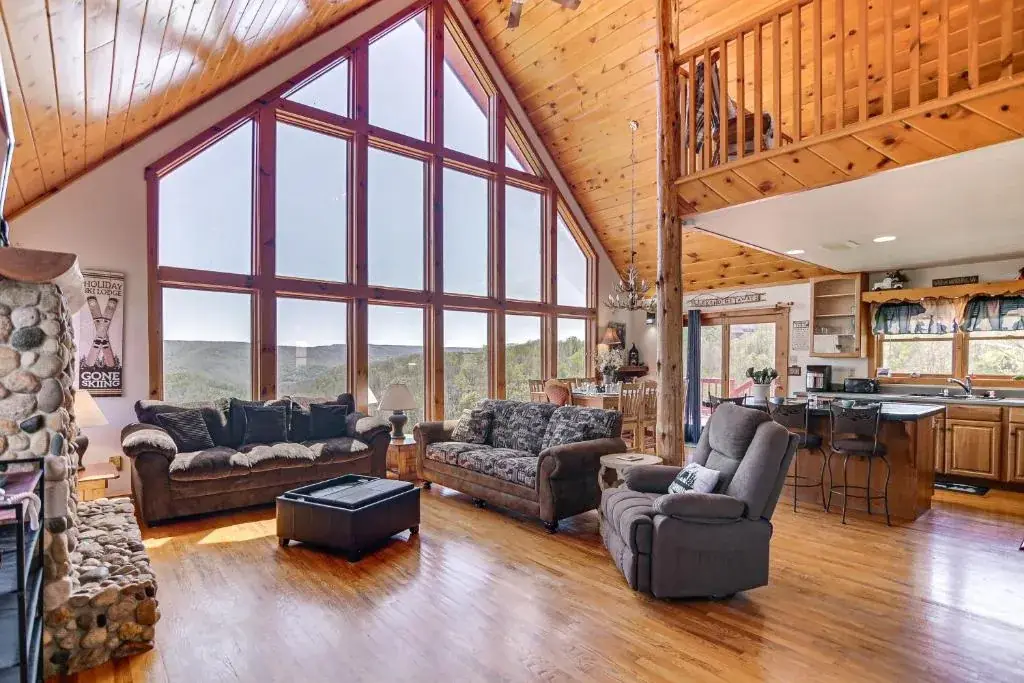
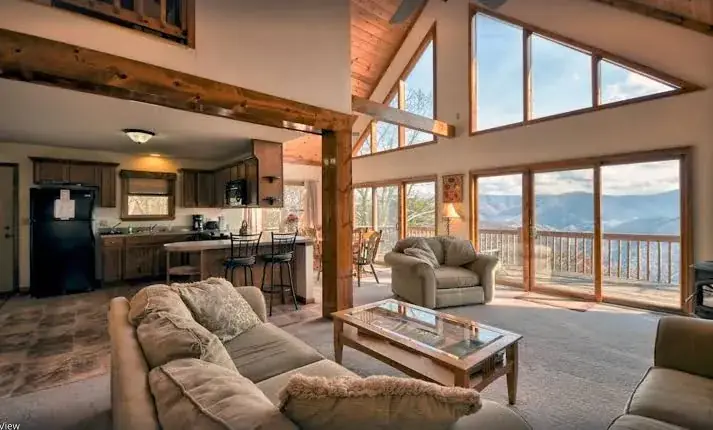
Today, this architectural legacy continues through the integration of historic design elements with advanced green building technologies. Modern structural engineers utilize heavy timber framing, architectural steel connectors, and large panels of high-performance insulated glass. These contemporary materials allow architects to design expansive interior spaces that offer sweeping, unobstructed views of the rugged landscape.
Furthermore, these modern construction methods minimize the overall environmental footprint on delicate alpine ecosystems. The current market sector for luxury cabin getaways american west reflects a sophisticated balance between traditional craftsmanship and advanced structural engineering. Consequently, these properties serve as highly resilient shelters that honor the rich architectural history of the American West.
Conceptual Frameworks and Mental Models
The Wilderness Insulation Model
The Wilderness Insulation Model provides a useful framework for evaluating how well a premium property separates its interior living spaces from the harsh external environment. This analytical model scores a building’s performance across three core areas: thermal envelope integrity, mechanical system redundancy, and supply line security.
-
Thermal Envelope Integrity: Measured by the continuous R-value of the walls and roofs, along with the sealing performance of expansive window arrays.
-
Mechanical System Redundancy: Evaluates secondary backup systems, such as automated dual-fuel generators and secondary heat exchangers.
-
Supply Line Security: Assesses onsite storage capacities for essential resources, including liquefied petroleum gas, potable water, and fire-suppression reserves.
While this framework helps identify highly resilient properties, it does have specific practical limits. For instance, the model focuses heavily on physical infrastructure, meaning it cannot account for sudden, unpredictable regulatory changes or local wildlife access restrictions.
The Access Vulnerability Scale
The Access Vulnerability Scale helps travelers quantify the logistical risks associated with reaching a remote property during extreme weather events. This scale rates a location based on road composition, slope steepness, emergency egress options, and proximity to municipal services.
By using this scale, travel planners can avoid properties that could leave guests stranded during sudden, heavy mountain snowstorms. However, this framework relies entirely on historical weather data. As a result, it can lose accuracy when unpredicted, extreme weather anomalies disrupt normal seasonal patterns.
The Landscape Cohesion Index
The Landscape Cohesion Index measures how effectively a cabin’s physical structure integrates visually and ecologically into its surrounding environment. High-scoring properties utilize locally sourced stone, natural timber tones, and low-profile profiles that follow the site’s natural topography.
-
Visual Integration: Architectural forms mimic natural land contours to reduce overall visual impact from distance viewpoints.
-
Material Authenticity: Avoids synthetic exterior finishes, instead choosing real wood, stone, and copper that patina naturally over time.
-
Ecological Preservation: Structural foundations minimize local grading and protect established native vegetation drainage paths.
Although this index is excellent for evaluating aesthetic and ecological design, it does not measure interior comfort or mechanical reliability. A property can blend beautifully into a mountainside while still suffering from poorly designed interior layouts or weak utility systems.
Key Categories and Structural Variations
Categorizing Premium Western Estates
The market for luxury cabin getaways american west includes several distinct property types, each featuring unique architectural styles and operational trade-offs. Understanding these structural variations allows travelers to select an asset that perfectly matches their specific privacy preferences and logistical needs.
1. Authentic Hand-Hewn Log Mansions
These massive structures are built using full-scribe, large-diameter logs that are carefully fitted together by skilled craftsmen. This traditional approach provides exceptional thermal mass and creates a classic, timeless aesthetic that honors historic frontier architecture. However, these solid wood walls expand and contract naturally, requiring ongoing mechanical adjustments to window frames and roof joints.
2. Mountain Modern Glass Enclaves
Characterized by clean lines, exposed structural steel beams, and expansive, floor-to-ceiling glass window walls, these properties prioritize open views. They blend interior living spaces directly with the surrounding landscape, providing unmatched visual connection to nature. On the down side, these large glass installations can cause significant interior heat loss during sub-zero winter nights.
3. Historic Renovated Ranches
These unique properties combine protected, historic agricultural outbuildings with fully modernized interior living spaces and premium amenities. They offer deep cultural authenticity and cover large acreages, ensuring exceptional private buffer zones. However, updating these older structures often requires working around restrictive historical preservation guidelines and modifying aging foundations.
4. Alpine Ski-In/Ski-Out Chalets
Positioned directly adjacent to premier mountain resorts, these chalets feature heated outdoor decks, private ski lockers, and integrated slopeside access. They provide ultimate convenience for winter sports enthusiasts, along with high-end community security systems. The primary trade-off is reduced privacy, as nearby ski lifts and heavy skier traffic run close to the property lines.
5. Remote Off-Grid Sanctuaries
Built in deep isolation, these self-sustaining compounds utilize advanced solar arrays, backup generators, and private deep-water wells. They deliver unmatched personal privacy and complete independence from local municipal utility grids. However, managing these properties requires active monitoring of fuel levels, battery storage health, and specialized water filtration systems.
6. Creekside Timber-Frame Lodges
These properties feature intricate post-and-beam construction, soaring ceilings, and large central hearths overlooking active waterways. The close proximity to moving water creates a relaxing acoustic environment and offers direct access to private fly-fishing. Unfortunately, these riverside locations face elevated risks from seasonal spring flooding and require specialized foundation waterproofing.
Architectural Typology Comparison Table
The following table compares these key property types across critical operational categories to guide your selection process.
Realistic Selection Logic
Selecting the ideal cabin type requires a balanced evaluation of group size, seasonal weather risks, and desired privacy levels. A large multi-generational family gathering usually requires the extensive layout and historic charm of a managed mountain ranch. Conversely, a private retreat focused on total solitude is best served by a high-altitude off-grid sanctuary.
Travelers must prioritize mechanical reliability and reliable access over pure visual appeal when planning trips during volatile winter months. A well-designed cabin should effortlessly handle local environmental challenges while maintaining a comfortable, high-performing interior sanctuary.
Detailed Real-World Scenarios
Scenario 1: Managing Deep Winter Isolation in Wyoming
A luxury alpine estate located in the Teton Range experienced a sudden, severe five-day blizzard that dropped six feet of heavy snow. The property lost its primary connection to the municipal power grid due to falling trees down the mountain valley. Because the cabin featured an automated dual-fuel backup generator, the interior radiant floor heating remained fully operational.
The onsite property manager used pre-staged satellite communications to provide real-time updates to the guests inside. Private snow removal equipment cleared the long, steep driveway in calculated phases to maintain a clear emergency evacuation path. This successful outcome demonstrates why advanced mechanical redundancy and onsite management are essential for remote winter stays.
Scenario 2: Navigating Shoulder-Season Infrastructure Challenges in Montana
During the spring thaw in western Montana, a premium riverside lodge faced rapid snowmelt that caused local river levels to rise significantly. The unpaved access road leading to the property turned into deep mud, making it impassable for standard all-wheel-drive vehicles. To resolve this access issue, the property management team immediately switched to high-clearance utility vehicles to transport guests and essential supplies.
The building’s reinforced concrete foundation and elevated riverside placement successfully protected the interior spaces from rising water levels. However, the high humidity required the continuous operation of commercial-grade dehumidifiers to protect the interior timber framing. This scenario highlights how seasonal transition periods can test both access infrastructure and indoor air quality management.
Scenario 3: High-Altitude Operations in Colorado
A modern glass villa perched at an elevation of 10,000 feet in the San Juan Mountains faced extreme temperature drops during a winter storm. The thin high-altitude air accelerates heat loss, putting immense stress on the property’s multi-zone heating systems. Thanks to triple-paned, low-emissivity glass panels, the interior stayed warm without overloading the primary boiler systems.
To prevent altitude sickness, guests utilized the cabin’s built-in oxygen enrichment systems in the main bedrooms. The property’s automated roof heating cables melted accumulating ice dams, preventing water from leaking into the ceiling joints. This situation shows that operating high-altitude properties requires specialized architectural features to counter thin air and extreme cold.
Scenario 4: Desert Summer Thermal Management in Utah
A luxury timber-and-stone cabin located near Moab faced daytime summer temperatures exceeding 105 degrees Fahrenheit. The intense desert sun can quickly overheat interiors with large glass windows if the building lacks proper solar shading. This property utilized deep roof overhangs and automated exterior sun shutters to block direct solar radiation during peak hours.
The architectural team installed a geothermal cooling system that used the earth’s stable underground temperature to cool the indoor air efficiently. This approach avoided the loud fan noise and high power demands of traditional rooftop air conditioning units. As a result, the cabin maintained a cool, quiet interior environment while remaining energy-efficient throughout the summer heat wave.
Planning, Cost, and Resource Dynamics
Analyzing Financial Commitments
Securing premium accommodation across the American West requires a clear understanding of both direct and indirect financial costs. Base rental rates reflect only a portion of the total financial resources required to execute a remote luxury expedition. Travel planners must account for seasonal rate spikes, specialized transportation needs, and the expense of bringing in premium services.
Furthermore, booking remote properties carries notable opportunity costs, as severe weather delays can alter tightly scheduled corporate or personal itineraries. Evaluating these cost variables through a structured framework ensures financial predictability and prevents unexpected operational expenses during the stay.
Operational Cost Projection Table
The following range-based table outlines the typical nightly and weekly expenditures associated with premier wilderness properties.
The Realities of Variable Resource Expenses
Variable costs often fluctuate based on the physical remoteness of the chosen property. For example, delivering propane fuel to an off-grid cabin at the end of a winding mountain road incurs substantial delivery fees. Similarly, sourcing high-end culinary ingredients in remote mountain towns requires specialized courier services, driving up total dining expenses.
Planners must maintain a flexible emergency financial reserve to cover unexpected costs, such as emergency snow plowing or mechanical repairs. Recognizing these hidden financial dynamics separates standard leisure travel planning from professional, high-end wilderness logistics management.
Tools, Strategies, and Support Systems
Essential Systems for Remote Infrastructure
Operating a high-end estate in isolated western corridors requires a specialized suite of communication, navigation, and emergency support systems. These critical tools ensure that guests remain safe, connected, and supported, regardless of changing regional weather patterns or infrastructure challenges.
1. Satellite Communication Arrays
When traditional cellular networks fail in deep mountain valleys, high-bandwidth satellite terminals provide essential connectivity. These systems deliver reliable data streaming for business operations and maintain a constant link to emergency services. To ensure continuous communication, properties should feature fixed satellite dishes backed up by portable satellite messengers.
2. Private Aviation Networks
Reaching isolated mountain valleys efficiently often requires bypassing busy commercial airports in favor of regional airstrips or private helipads. Utilizing chartered turboprop aircraft or twin-engine helicopters significantly cuts down overall travel times and avoids winter road hazards. Travel planners should secure guaranteed charter agreements well in advance, especially during peak seasonal winter holiday periods.
3. Professional Mountain Guide Services
Navigating rugged backcountry terrain safely demands deep local expertise and professional wilderness training. Certified mountain guides provide essential safety screening, plan secure travel routes, and manage environmental risks during outdoor excursions. Their presence minimizes the risk of getting lost or injured in challenging wilderness areas far from medical care.
4. Advanced Microclimate Monitoring
Mountain weather can shift rapidly across different elevations, making general regional forecasts unreliable for specific remote valleys. Installing local, automated weather stations directly on the property provides accurate, real-time data on wind speeds, temperature drops, and snowfall rates. This hyper-local information allows managers to make safe, informed decisions regarding outdoor activities and property maintenance.
5. Dedicated Onsite Property Asset Managers
A premium property requires continuous oversight from a skilled professional who understands the cabin’s complex mechanical systems. Onsite asset managers monitor backup generators, manage water filtration systems, and coordinate local maintenance crews when issues arise. Their immediate availability prevents minor mechanical glitches from turning into major system failures that could disrupt a guest’s stay.
6. Private Medical Evacuation Memberships
Because remote wilderness properties are often located hours away from regional trauma centers, private medical evacuation memberships are essential. These specialized services provide rapid helicopter transport directly from the property to advanced medical facilities in the event of a severe illness or injury. Maintaining active memberships ensures professional medical coordination and quick response times when every minute matters.
7. Custom All-Terrain Fleet Deployments
Standard rental vehicles often lack the clearance, tire compounds, and suspension setups required to safely navigate primitive mountain roads. Premium properties should provide guests with access to a dedicated fleet of modified all-wheel-drive vehicles equipped with heavy-duty winter tires and winches. This specialized equipment ensures reliable transportation across mud, packed snow, and steep gravel grades.
Risk Landscape and Failure Modes
Analyzing Backcountry Infrastructure Risks
The very features that make luxury cabin getaways american west attractive—such as deep isolation and pristine wilderness settings—also introduce unique operational risks. A failure in a single mechanical system can quickly trigger a series of compounding problems that compromise the safety of the entire property.
By studying these potential failure points, travel planners can implement smart preventative measures. This proactive planning protects both the safety of the travelers and the physical integrity of the mountain estate.
Risk Taxonomy Matrix
The following matrix details the primary risks, compounding effects, and prevention strategies for high-end wilderness properties.
Mitigating Compounding Failures
Preventing compounding failures requires installing automated monitoring systems that flag early performance drops before a total breakdown occurs. For example, if a primary heating boiler drops in pressure, the system should instantly alert the property manager via satellite link.
Furthermore, support teams must conduct thorough physical inspections of all backup systems prior to the arrival of winter guests. Taking a disciplined, preventative approach to property maintenance eliminates reliance on outside municipal emergency services, which may be unavailable during severe regional storms.
Governance, Maintenance, and Long-Term Adaptation
Managing Remote Assets
Maintaining a premium mountain estate requires a disciplined, structured maintenance schedule that adapts to changing seasonal demands. Without regular property inspections, harsh alpine environments will rapidly degrade premium building materials and mechanical systems.
Property managers must utilize a layered inspection framework to ensure that every critical system remains fully operational year-round. This rigorous approach protects the property’s long-term value and ensures a safe, predictable experience for arriving guests.
Layered Infrastructure Checklist
This three-tiered operational checklist outlines the essential maintenance tasks required to protect remote high-altitude properties.
Tier 1: Primary Structural Envelope (Bi-Monthly)
-
Inspect large-diameter timber joints for natural wood checking, moisture retention, or pest activity.
-
Check roof valley flashing and clear debris from integrated drainage lines to prevent water dams.
-
Examine perimeter foundation walls for settling cracks caused by seasonal ground freezing and thawing.
-
Verify the weather-stripping seal on all expansive architectural glass window walls and heavy exterior doors.
Tier 2: Mechanical and Core Utility Systems (Monthly)
-
Test automated fuel transfer valves and run backup generators under full load for at least sixty minutes.
-
Check pressure levels in multi-zone radiant heating loops and verify proper glycol anti-freeze concentrations.
-
Backwash primary water filtration systems and replace sediment pre-filters to maintain pure water flow.
-
Cycle all primary automated fire-suppression valves and verify pressure levels in onsite water storage tanks.
Tier 3: Access and Life Safety Systems (Pre-Arrival)
-
Clear all primary emergency exit paths and test automated heat cables along low-hanging roof lines.
-
Verify data connectivity on backup satellite communication arrays and update handheld GPS firmware.
-
Inspect emergency medical gear, restock specialized trauma kits, and check oxygen tank pressure levels.
-
Confirm that all-terrain support vehicles are fully fueled, chained, and equipped with cold-weather recovery gear.
Measurement, Tracking, and Evaluation
Monitoring Remote Property Performance
Evaluating the performance of a high-end wilderness property requires tracking both clear numerical metrics and subtle qualitative signals. Relying solely on lagging indicators, such as a heating system failure, means you are discovering problems after they have already disrupted a guest’s stay.
Property managers must use automated data logging to monitor system performance trends over time. This continuous tracking allows maintenance teams to identify and service failing components before they cause a major operational shutdown.
Sample Operational Log Data
The following examples illustrate how property managers document and track critical system metrics to ensure long-term reliability.
Common Misconceptions and Oversimplifications
Myth 1: Log Cabins Warm Up Instantly
Many travelers assume that large timber structures are easy to heat quickly because wood is a natural insulator. In reality, solid logs possess high thermal mass, meaning they absorb a large amount of heat energy before they begin radiating warmth into a room.
Heating a cold log mansion that has sat vacant can take over twenty-four hours of continuous boiler operation to reach comfortable indoor temperatures. Experienced property managers avoid this delay by maintaining baseline interior temperatures long before guests arrive.
Myth 2: All Four-Wheel-Drive Vehicles Can Handle Mountain Roads
Another common mistake is believing that any standard rental SUV can safely navigate steep, snow-packed mountain driveways. Standard all-wheel-drive systems are often tuned for wet city streets rather than icy, high-altitude mountain passes.
True mountain safety requires dedicated winter tires featuring specialized rubber compounds, deep tread patterns, and proper tire chains. Without this specific equipment, vehicles can easily lose traction on steep grades, regardless of their electronic four-wheel-drive settings.
Myth 3: Satellite Internet Delivers Flawless Connection in Any Weather
Consumers often believe that modern satellite internet systems guarantee uninterrupted, high-speed connectivity anywhere in the world. However, heavy, wet snowfall and thick ice accumulation on receiver dishes can significantly degrade satellite signal strength.
To maintain reliable communication links during severe winter storms, premium properties must install specialized, heated dish arrays. These integrated heating elements melt away snow and ice automatically, protecting the connection when it is needed most.
Myth 4: Off-Grid Means Living Without Premium Amenities
There is a widespread misconception that staying at an off-grid property requires sacrificing modern comforts like hot showers or reliable electricity. Today, advanced off-grid engineering easily supports luxury appliances, large hot tubs, and multi-zone climate control systems.
These modern setups combine large solar arrays, heavy-duty industrial battery banks, and automated backup generators to deliver reliable power. As a result, guests can enjoy a seamless luxury experience while remaining completely independent of the local municipal utility grid.
Myth 5: High Altitude Only Affects Physical Outdoor Excursions
Travelers often assume that altitude sickness is only a concern when hiking or skiing in the backcountry. In reality, thin air at high elevations can disrupt sleep patterns and cause headaches while simply relaxing inside a cabin.
To counter this issue, premier high-altitude properties feature integrated oxygen enrichment systems in the primary bedrooms. This advanced environmental control helps guests acclimate smoothly, ensuring restful sleep and a more comfortable overall stay.
Myth 6: Proximity to Mountain Towns Guarantees Quick Emergency Services
Planners frequently assume that if a cabin is located just a few miles outside a resort town, emergency services will arrive quickly. However, mountain miles are defined by terrain complexity rather than simple horizontal distance.
A heavy winter storm can easily block narrow mountain roads, delaying local emergency response vehicles for hours. Therefore, luxury estates must maintain comprehensive onsite medical supplies and pre-arrange private helicopter evacuation options for critical situations.
Myth 7: Modern Cabins Require No Maintenance During a Stay
Guests often expect a premium modern cabin to run automatically like a standard luxury hotel suite. However, remote wilderness properties are dynamic engineering environments that require regular operational adjustments throughout a stay.
For example, wood fires must be properly managed, solar panels may need clearing after heavy snowfall, and water filters require monitoring. A truly seamless stay is achieved through the quiet, ongoing work of an onsite property manager who handles these tasks in the background.
Ethical, Practical, or Contextual Considerations
Balancing Wilderness Luxury and Environmental Impact
Building and operating high-end estates within fragile alpine ecosystems introduces important practical and environmental responsibilities. Constructing massive timber frames requires significant local resource consumption and alters natural wilderness landscapes.
Furthermore, running large backup generators and heating expansive properties drives up overall energy use in areas with limited infrastructure. Responsible developers counter these impacts by utilizing sustainable building materials, advanced geothermal heating, and low-impact building techniques.
Additionally, remote properties must carefully manage their water use to avoid disrupting local water tables and sensitive downslope environments. Property owners should respect established regional water rights and invest in advanced onsite wastewater purification systems.
By prioritizing environmental stewardship alongside structural engineering, these premium properties help preserve the wild landscapes that make them so attractive. Ultimately, the long-term success of the market sector for luxury cabin getaways american west depends on protecting these pristine natural spaces.
Conclusion
Synthesizing Infrastructure and Environment
A successful expedition to a premium western estate requires a clear understanding of the relationship between advanced architecture and rugged wilderness environments. True luxury is defined by a building’s mechanical resilience, structural integrity, and ability to handle extreme weather challenges.
By looking beyond superficial interior design, travel planners can identify properties that deliver genuine comfort and safety in deep isolation. This analytical approach ensures that your stay remains predictable, secure, and entirely focused on enjoying the stunning natural landscape.
Adapting to Future Wilderness Logistics
As environmental conditions become more volatile across the American West, the engineering standards for remote cabins will continue to advance. Properties that invest in self-contained utility grids, durable building envelopes, and comprehensive safety systems will set the benchmark for luxury travel.
Travelers who prioritize these foundational engineering choices will enjoy reliable access to the region’s most spectacular, isolated settings. Ultimately, a well-built wilderness estate serves as a secure, high-performing sanctuary, allowing you to experience the timeless beauty of the American frontier in complete comfort.