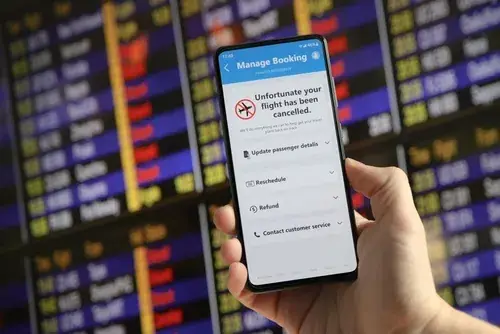
How to Manage Flight Cancellations as a Couple: The Complete Guide
Air travel operates within an incredibly tightly integrated global network. When a single component fails, the ripple effects degrade schedules across multiple continents. For individual travelers, navigating these systemic failures requires patience and a basic understanding of consumer rights. However, when a flight is canceled for a couple, the logistical, financial, and psychological complexities multiply. Decisions can no longer be made in a vacuum. Instead, two distinct sets of preferences, risk tolerances, and professional obligations must be synchronized under intense time constraints.
Most travel advice treats parties of two as a single, homogenous entity. This assumption collapses during major irregular operations, commonly referred to as IROPS by airline personnel. A cancellation frequently forces a choice between asymmetric options. One partner may prioritize arriving at the destination at any cost to attend a high-stakes corporate meeting. The other partner might prefer to abandon the itinerary entirely, return home, and seek a full financial refund. Managing these divergent priorities while simultaneously communicating with gate agents, monitoring digital booking systems, and re-routing luggage creates a highly volatile decision-making environment.
To navigate these events successfully, couples must move away from reactive panic and adopt structured, operational workflows. A flight cancellation should not be viewed merely as an emotional inconvenience. It is a complex logistical problem requiring clear communication, divided labor, and rapid asset allocation. By understanding the underlying mechanics of commercial aviation, passenger rights, and collaborative dynamics, couples can transform a chaotic disruption into a structured, manageable process. This definitive guide establishes a comprehensive framework for couples facing major itinerary failures.
Understanding “How to Manage Flight Cancellations as a Couple”
Learning how to manage flight cancellations as a couple requires looking beyond superficial tips like calling the airline immediately. It demands an understanding of how two distinct travelers interact with a single, rigid corporate bureaucracy. Airlines view a reservation through a Passenger Name Record, or PNR. If a couple is booked under a single PNR, the airline treats them as a single unit during mass re-accommodations. While this ensures that partners remain on the same rescheduled flights, it drastically limits flexibility when only a single seat opens up on an alternative route.
Conversely, traveling on separate PNRs introduces a different set of structural vulnerabilities. If an automated algorithm reschedules a canceled flight, it will redistribute the passengers independently across the remaining network capacity. One partner might be routed through a connection in Chicago, while the other is sent through Atlanta. Re-linking these separate bookings requires direct human intervention from a reservation agent, a resource that becomes vanishingly scarce during systemic airport meltdowns. Couples must deliberately weigh these structural mechanics long before they ever arrive at the departure gate.
Oversimplified travel advice often suggests that couples should simply divide and conquer during a delay. However, without a pre-negotiated operational framework, uncoordinated action frequently causes conflicting bookings, invalidation of ticket terms, or severe communication breakdowns. For example, if one partner accepts a flight voucher via a mobile app while the other stands in line and secures an alternative routing from a gate agent, the system can flag the reservation as modified or canceled. True collaborative management requires a precise division of responsibilities, centralized financial data, and shared decision thresholds.
Systemic Realities: Why Modern Flight Cancellations Happen
To effectively manage travel disruptions, couples must comprehend the structural vulnerabilities embedded within modern commercial aviation. Airlines maximize profitability by maintaining extremely high aircraft utilization rates. This means airplanes spend minimal time sitting idle on the tarmac. While highly efficient under optimal conditions, this lean operating model leaves virtually no buffer for unexpected delays. A severe weather event at a major hub airport like Chicago O’Hare or Dallas-Fort Worth immediately grounds aircraft, stranding flight crews who quickly exceed their legally mandated duty hour limitations.
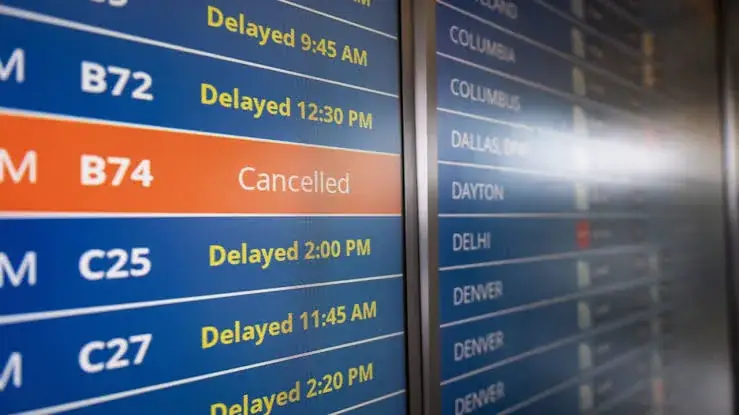
Furthermore, the widespread adoption of the hub-and-spoke routing system compounds these operational failures. If a couple is flying from a smaller spoke city to another spoke city via a primary hub, a disruption at that central hub breaks the entire itinerary. Even if the weather at the couple’s current location is perfectly clear, their incoming aircraft might be trapped three states away. Air traffic control restrictions, computer network outages, and maintenance backlogs further complicate these dynamics, turning minor regional issues into cascading global cancellations that can take days for an airline to fully resolve.
Behavioral and Decision-Making Frameworks for Couples
When a major flight cancellation occurs, cognitive load skyrockets, which rapidly degrades analytical decision-making capabilities. Couples can mitigate this psychological strain by adopting established behavioral frameworks that help structure their collaborative response.
The OODA Loop Adaptation
Originally developed for military strategy, the OODA Loop—Observe, Orient, Decide, Act—serves as an exceptional operational model for couples navigating an airport crisis.
-
Observe: Swiftly gather raw operational data. Identify the precise reason for the cancellation, check alternative routing availabilities via global distribution system trackers, and determine current baggage statuses.
-
Orient: Analyze this data through the specific lens of your shared constraints. Consider your available financial resources, the hard deadlines of your itinerary, and your physical endurance limits.
-
Decide: Evaluate your options against clear compromise thresholds, select the most viable path forward, and commit to it as a team.
-
Act: Execute the chosen strategy immediately and with complete focus. One partner handles digital bookings while the other manages physical lines or phone queues.
The Dual-Control Operational Model
This framework divides logistical responsibilities based on individual strengths, eliminating redundant efforts and preventing conflicting communication with airline staff.
Category Breakdown: Disruption Profiles and Strategic Trade-offs
Flight cancellations vary significantly based on their root cause, geographical location, and the specific consumer protection laws that apply. Understanding these categories allows couples to deploy targeted strategies.
Carrier-Controllable Cancellations
These disruptions are caused by factors within the airline’s direct operational control, such as mechanical failures, computer system outages, or pilot scheduling errors. In jurisdictions like the United States, carrier-controllable events legally obligate airlines to provide complimentary meals, ground transfers, and hotel accommodations during extended overnight delays. Couples should systematically document all written and verbal statements from airline staff to validate their eventual claims for expense reimbursement.
Force Majeure Events
Weather anomalies, air traffic control restrictions, geopolitical conflicts, and labor strikes fall under force majeure, meaning they are outside the carrier’s control. Under these conditions, airlines are generally exempt from providing complimentary lodging or cash compensation. The strategic priority for couples shifts instantly from demanding carrier assistance to activating independent financial protections, such as premium credit card travel insurance or standalone policy coverages.
Domestic vs. International Regulatory Regimes
The legal protections available to a couple depend entirely on the regulatory framework governing their specific flight segment.
For instance, the United States Department of Transportation mandates a prompt cash refund if a passenger chooses not to travel after a cancellation, but it does not legally require airlines to pay cash damages for lost time. Conversely, European Union Regulation 261/2004, commonly known as EU261, enforces strict, tiered cash compensations for cancellations made within 14 days of departure, alongside a mandatory duty of care, regardless of the carrier’s country of origin.
Real-World Scenarios, Failure Modes, and Tactical Adjustments
Analyzing specific failure points reveals how couples can adapt their strategies to overcome the limitations of standard airline customer service systems.
Scenario A: The Hub Meltdown
A severe thunderstorm system stalls over a major domestic hub airport, causing hundreds of cancellations and leaving thousands of passengers stranded simultaneously.
-
The Primary Trap: Joining a physical customer service line that stretches down the concourse, where wait times frequently exceed four hours.
-
The Tactical Fix: The Communications Lead dials the airline’s international support lines, such as the carrier’s English-speaking desks in Australia, New Zealand, or the UK. These overseas call centers face significantly lower call volumes during a domestic crisis, allowing couples to reach a live agent in minutes. Simultaneously, the Logistics Lead searches for alternative flights out of secondary regional airports located within reasonable driving distance.
Scenario B: The Last-Flight-Out Failure
The final connection of the evening is abruptly canceled due to a sudden mechanical issue, leaving a couple stranded late at night in an unfamiliar airport.
-
The Primary Trap: Waiting at the gate in the hope that the airline will efficiently organize hotel vouchers for the entire planeload of passengers.
-
The Tactical Fix: Bypass the gate agent line entirely. The Logistics Lead instantly books a nearby airport hotel room via a mobile app to secure dwindling local room capacity before other passengers react. Meanwhile, the Communications Lead documents the long customer service line photographically, establishing a clear paper trail to prove that requesting an official airline voucher was practically impossible due to systemic delays.
Financial Realities: Cost Dynamics and Resource Allocation
Effectively managing flight cancellations requires an analytical approach to capital allocation. Disruptions generate both direct cash outlays and indirect opportunity costs that couples must track carefully.
Direct vs. Indirect Expenditures
Direct costs include immediate out-of-pocket expenses such as emergency hotel rooms, airport dining, rideshare services, and replacement flight tickets on competing airlines. Indirect costs are more subtle but equally impactful. They include non-refundable cruise fees, pre-paid tour deposits, lost wages from missed workdays, and kennel fees for pets stranded at home.
The Financial Threshold Matrix
Couples should establish a pre-departure financial matrix that defines exactly how much capital they are willing to spend to solve an itinerary crisis independently, rather than waiting for the airline to act.
If the downstream financial losses from missing an event exceed the cost of purchasing a last-minute ticket on a competing carrier, the couple should self-fund the solution immediately. They can then seek financial recovery later through insurance claims or consumer protection arbitration.
Strategic Tools and Support Infrastructure
Navigating an aviation system failure requires access to professional-grade data streams. Relying solely on airline notifications puts travelers at a severe informational disadvantage.
-
Global Distribution System Trackers: Applications like ExpertFlyer allow couples to view real-time fare bucket availability across multiple airlines, revealing exactly how many open seats remain on alternative routes before contacting an agent.
-
Inbound Aircraft Radar: Flight tracking tools like Flightradar24 or FlightAware allow couples to monitor the physical location of their incoming aircraft hours before its scheduled departure, exposing impending delays well before the airline officially updates the flight status.
-
Premium Credit Card Insurance Policies: High-end travel credit cards provide built-in trip delay and interruption protections that cover reasonable expenses when a flight is delayed or canceled for more than a specified number of hours.
-
Digital Communication Protocols: Maintaining an updated digital folder containing PDF copies of all e-tickets, passports, marriage certificates, and insurance policies ensures both partners can access critical documents instantly from their mobile devices.
Risk Landscape: Compounding Disruptions and Cascading Failures
A flight cancellation is rarely an isolated event. It often triggers a series of compounding failures across a couple’s wider travel ecosystem.
Luggage Disconnection Risks
When an itinerary is disrupted mid-journey, the probability of checked baggage being lost or delayed climbs drastically. If a couple is rerouted onto a competing airline, their checked bags often remain trapped in the original carrier’s automated sorting systems. To mitigate this risk, couples should travel exclusively with carry-on luggage whenever possible. If checking bags is unavoidable, placing digital tracking tags inside every suitcase allows the couple to independently monitor their luggage’s location in real time.
Digital System Failures
During massive winter storms or nationwide IT outages, an airline’s digital infrastructure can collapse entirely. Apps may crash, website booking engines can freeze, and automated phone menus might disconnect callers automatically. Couples who rely entirely on digital solutions find themselves paralyzed during these systemic meltdowns. Preparing for these rare but severe infrastructure failures requires keeping printed boarding passes, noting direct phone numbers for local airport offices, and maintaining access to cellular data roaming across multiple networks.
Long-Term Travel Governance and Proactive Maintenance
To ensure long-term resilience against travel disruptions, couples should integrate structured contingency planning into their standard booking workflows. Treat travel planning not just as a series of reservations, but as an ongoing risk management process.
Pre-Departure Risk Audits
Before finalizing any international or high-stakes domestic itinerary, couples should conduct a formal risk assessment of their flights. Avoid booking the last flight of the day on a route, as it offers zero fallback options if a cancellation occurs. Prefer routes serviced by airlines with high daily frequencies or membership in major global alliances like Star Alliance, SkyTeam, or Oneworld. These alliances expand the network of alternative flights available to reservation agents during an emergency rebooking.
Post-Disruption Reviews
After surviving an itinerary failure, couples should review their response performance once they return home. Analyze where communication stalled, whether financial caps were set accurately, and how effectively responsibilities were split between partners. Use these insights to update your travel profiles, adjust insurance coverage levels, and refine your shared crisis communication habits for future journeys.
The Layered Contingency Checklist
This operational checklist provides a step-by-step workflow for couples to execute immediately upon notification of a flight cancellation.
-
Verify PNR Status: Confirm whether your bookings are on a single or split PNR, and assess how this impacts your rebooking flexibility.
-
Activate the Division of Labor: Formally assign the Logistics Lead and Communications Lead roles to prevent redundant work or conflicting bookings.
-
Pull Alternative Flight Inventory: Search global distribution systems for open seats on all viable airlines traveling toward your destination.
-
Launch Multi-Channel Support Queries: Join the physical customer service line while simultaneously calling international help desks and messaging the carrier on digital support channels.
-
Review Insurance Guidelines: Check your credit card or standalone travel policy terms to verify your maximum allowed spending limits for lodging and meals.
-
Secure Local Lodging and Ground Transit: If an overnight delay is certain, book a nearby airport hotel room immediately before local inventory is exhausted.
-
Document All Expenses and Communications: Save every receipt, take screenshots of app errors, and keep a log of all interactions with airline representatives.
Measurement, Tracking, and Evaluation Metrics
Couples can objectively evaluate their travel resilience by tracking key operational indicators over time. This data helps shift perspectives from emotional frustration to systemic performance tracking.
Leading vs. Lagging Indicators
Leading indicators are proactive metrics measured before departure, such as the historical on-time performance rating of a specific flight number or the current financial reserves allocated for travel emergencies. Lagging indicators are evaluated after a trip concludes. These include total out-of-pocket dollars spent on disruptions, total hours lost to delays, and the average resolution time for insurance claim payouts.
Qualitative and Quantitative Signals
Quantitative signals provide hard data, such as tracking the exact number of minutes spent waiting on hold with customer service or the precise dollar amount recovered through EU261 compensation claims. Qualitative signals assess the psychological and interpersonal costs of a disruption. These include measuring stress levels during a crisis, evaluating how smoothly responsibilities were shared, and tracking how quickly the couple restored collaborative alignment after a major logistical failure.
Financial and Logistical Documentation Examples
Maintaining an organized digital ledger of disruptions simplifies insurance claims and carrier arbitration. The following examples illustrate how couples should format their internal travel records.
Deconstructing Common Travel Misconceptions
When learning how to manage flight cancellations as a couple, travelers must unlearn several persistent myths popularized by casual travel blogs. These misconceptions often lead to misallocated effort and costly financial mistakes during a crisis.
-
The Loyalty Status Myth: Many believe that basic frequent flyer status guarantees immediate assistance during a mass airport meltdown. In reality, during a major hub disruption, elite status lines clog rapidly, leaving low-tier elite passengers waiting nearly as long as standard ticket holders.
-
The Gate Agent Power Illusion: Passengers often assume that gate agents possess unlimited discretion to override airline policies, wave fees, or book seats on competing airlines. Modern airline operations are heavily automated; gate agents are bound by strict software guardrails and corporate compliance algorithms.
-
The Guarantee of Shared Rebooking: A common oversimplification is that airlines are required to keep couples together on alternative flights. If a flight is canceled and only single seats open up across different aircraft, automated systems will split couples automatically unless a human agent locks the PNR.
-
The Compensation Ubiquity Fallacy: Many travelers believe that any flight cancellation automatically qualifies them for cash compensation. However, unless the flight falls under strict regulations like EU261 or the carrier explicitly admits fault for a domestic delay, passengers are rarely legally entitled to cash damages for acts of God.
Ethical and Practical Systemic Considerations
Navigating airline crises also involves managing complex human interactions under stress. Couples must balance their advocacy for passenger rights with an understanding of the operational pressures facing airport personnel.
Maintaining a polite, solution-oriented demeanor with front-line staff is an effective strategy. Gate agents and phone operators routinely endure intense verbal abuse during system meltdowns. A couple that communicates calmly, presents clear alternative routing data, and treats staff with empathy stands a much better chance of receiving creative, discretionary assistance from an agent.
Furthermore, couples should recognize the broader ethical implications of resource allocation during travel crises. Buying up multiple refundable tickets across different airlines as backup options might seem like a smart personal strategy, but it artificially inflates ticket prices and locks out other stranded travelers who need those seats. Operating with integrity within the travel ecosystem ensures that solutions remain sustainable, fair, and legally compliant for everyone involved.
Conclusion: Cultivating Cohesive Adaptability
Ultimately, successfully navigating commercial aviation failures relies on a couple’s capacity for shared adaptability. Flight cancellations expose the fragile nature of global transportation infrastructure, turning routine journeys into complex logistical challenges. When couples view these disruptions through an operational lens—backed by a clear division of labor, accurate data streams, and solid financial frameworks—they protect both their travel investments and their peace of mind.
By abandoning emotional reactions and mastering consumer rights, regulatory frameworks, and collaborative workflows, couples can handle complex airport crises with confidence. True travel resilience goes beyond avoiding delays entirely. It lies in building a reliable, shared system that functions smoothly when travel plans inevitably collapse.