Top Island Getaways in America: Analytical Travel Architecture
The development of island destinations within the United States involves a complex interplay of geography, transport limitations, and infrastructure capacity. These destinations are often isolated from mainland logistics networks. Consequently, islands must build and manage independent supply chains, water treatment infrastructure, and electrical microgrids. These hidden systems are essential for supporting hospitality operations. Local planners must balance environmental conservation with the resource demands of tourism, creating a delicate structural equilibrium.
Seasonality adds significant complexity to these isolated economies. During peak months, sudden infrastructure strain can degrade local services and deplete natural resources. Conversely, severe winter weather or off-season storms can isolate these locations entirely, cutting off mainland supply lines. This volatility forces operators to maintain significant on-site inventory reserves and implement highly flexible labor models. Managing these variables effectively determines the long-term financial viability of a destination’s hospitality market.
Evaluating these premium environments requires looking beyond standard travel itineraries and coastal scenery. Long-term durability is heavily tied to deep-water port access, stable ferry frequencies, and local water security. By analyzing the structural framework of island development, stakeholders can identify hidden systemic costs and evaluate destinations with analytical precision. This comprehensive perspective clarifies the exact operational models required to sustain premium service standards across distinct coastal ecosystems.
Understanding “top island getaways in america”
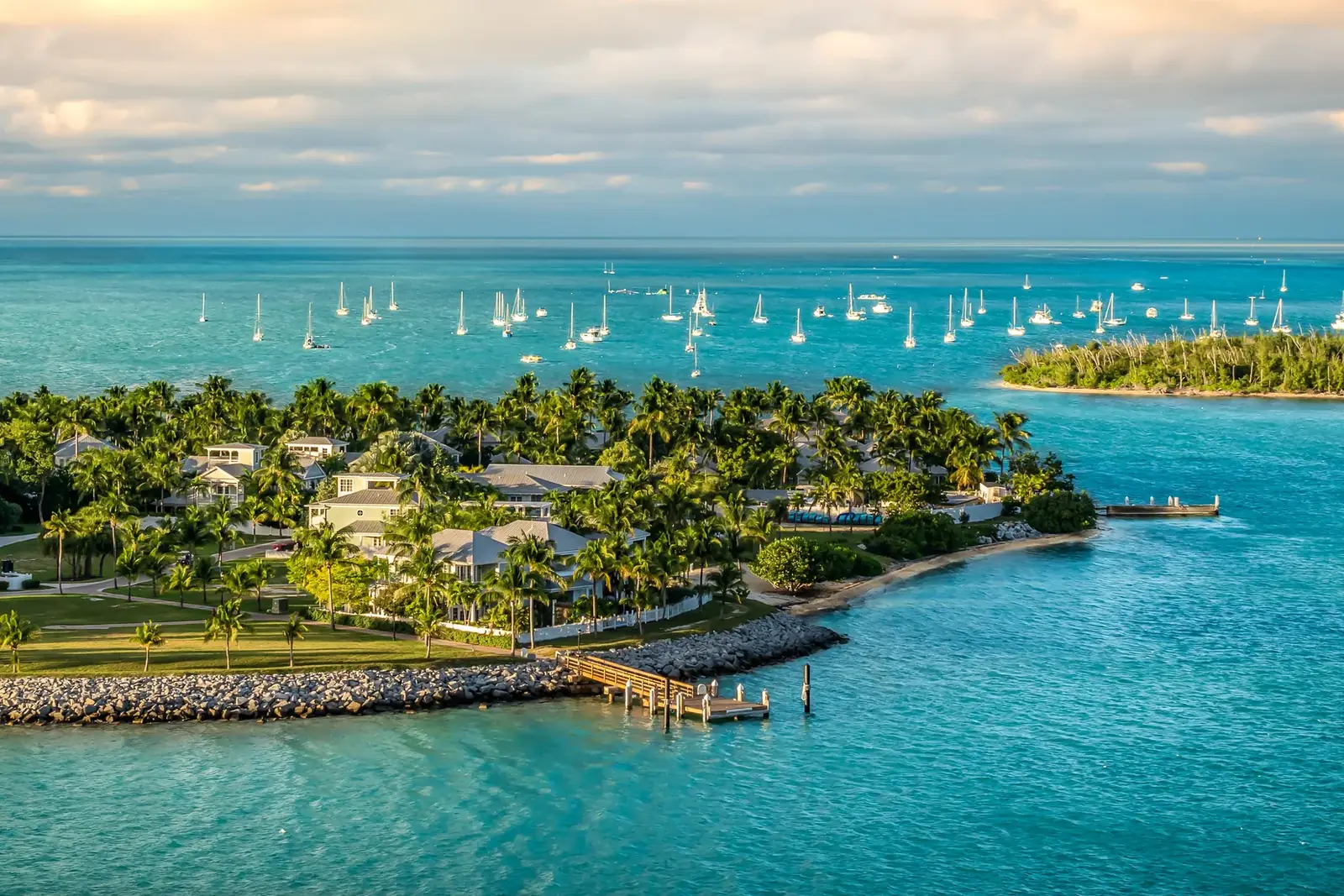
Analyzing the structural reality of top island getaways in america requires a shift away from standard tourism narratives. These properties are better understood as closed resource loops that operate under significant geographical constraints. Many consumers evaluate island destinations based entirely on visible aesthetic features, such as beachfront access or luxury accommodations. In contrast, the actual viability of these locations depends on less visible infrastructure elements. These include reverse osmosis desalination plants, subsea power cables, and maritime waste logistics.
Structural Realities of Insular Enclaves
To evaluate these distinct destinations accurately, one must consider three distinct perspectives: the municipal engineer, the environmental planner, and the hospitality operator.
-
The Municipal Engineer: This professional manages heavy utility assets, including diesel generator plants, waste processing facilities, and deep-water docks. Their primary objective is maintaining utility uptime despite corrosive marine environments and intense weather events.
-
The Environmental Planner: Operating within strict local or federal frameworks, this individual regulates shoreline erosion, monitors groundwater tables, and protects sensitive marine habitats. They ensure that seasonal population surges do not cause permanent ecological degradation.
-
The Hospitality Operator: Tasked with delivering seamless luxury experiences, this professional manages remote supply chains and local labor constraints. They resolve real-time shortages behind the scenes, ensuring that transport delays do not disrupt the guest experience.
Logistical Vulnerabilities in Remote Tourism
A frequent error in island hospitality management is relying on just-in-time mainland supply models. This approach introduces extreme vulnerability during severe storm systems or maritime transport strikes.
When standard ferry services are suspended due to high seas, properties without substantial on-site storage encounter immediate disruptions. Inventory depletion can compromise kitchen operations, housekeeping standards, and primary power systems within forty-eight hours.
The Dynamics of Seasonal Economic Volatility
Depending solely on short-term summer or winter room rates to cover high, fixed annual maintenance costs creates structural financial weakness. Expecting peak-season revenues to offset underutilized off-season assets ignores the realities of modern island economics. Destinations that fail to diversify their seasonal appeal struggle with high staff turnover and deferred structural maintenance. True financial durability requires adaptable infrastructure and versatile facility layouts that can adjust to shifting consumer demands.
The Historical and Systemic Evolution of Island Commerce
The current landscape of premier island hospitality in the United States is deeply rooted in maritime trade networks and historic fishing industries. Understanding these origins helps explain why specific island corridors developed into modern premium destinations.
The Maritime Commerce Era and Coastal Conversions
During the nineteenth century, many American islands served as vital hubs for whaling, timber shipping, or industrial fishing operations. These early settlements required heavy wood dock structures, stone lighthouses, and large salt-houses designed to handle bulk maritime freight.
As industrial shipping patterns shifted toward larger mainland rail terminals, these historic island ports faced economic contraction. Local communities adapted by converting existing maritime infrastructure into passenger terminals, transforming historic waterfront storefronts into hospitality spaces.
Post-War Transport Expansion and Infrastructure Integration
The introduction of high-capacity passenger ferries and regional commercial aviation networks in the 1950s dramatically accelerated island tourism. Remote locations that once required multi-day sailing trips became accessible within hours, connecting major urban centers directly to coastal enclaves.
By the late twentieth century, developers shifted toward master-planned preservation districts that integrated strict architectural codes with environmental zoning. This structural evolution protected the historic charm of island communities while generating premium real estate valuations.
Conceptual Frameworks for Insular System Analysis
To ensure long-term profitability and preserve asset values across changing seasonal cycles, island operators rely on specific models from resource economics.
1. The Carried Capacity Threshold Framework
This model helps guide municipal planning by calculating the maximum tourist density an island’s utility infrastructure can support before service drops.
For island administrators, this system helps prevent groundwater depletion during peak summer months. Monitoring water draw early allows municipalities to adjust building permits and cap temporary lodging options before aquifers face salt-water intrusion.
2. The Maritime Sourcing Redundancy Matrix
This operational framework evaluates how effectively a destination can maintain its supply chain operations when primary ferry lines face structural closures.
Using this approach allows resort managers to design resilient procurement schedules that minimize dependency on daily deliveries. Integrating secondary freight partnerships ensures continuous facility operations even during extended transport disruptions.
3. The Shoreline Vulnerability Index
This framework evaluates an asset’s long-term value by assessing its elevation, seawall construction, and exposure to seasonal tropical storms.
Mastering this distinction allows investors to identify properties with genuine climate resilience. Prioritizing high coastal bluffs and advanced structural engineering minimizes long-term repair costs and protects coastal investments from rising sea levels.
Categories of Island Ecosystems and Structural Trade-offs
American island destinations vary significantly based on their geographic latitude, historical infrastructure development, and primary transport links. Understanding these variations is essential for analyzing operational performance.
The Subtropical Coral Archipelago
These low-lying destinations sit within warm, sensitive marine environments, offering year-round beach access and extensive water-sports programming.
-
Trade-off: These locations command premium room rates during winter months but face extreme storm risks and constant corrosion of mechanical HVAC assets.
-
Mitigation: Install specialized marine-grade condenser units and construct reinforced concrete seawalls to resist seasonal wave impacts.
The Glaciated Northern Enclave
Operating primarily in cold water zones with high dramatic cliffs, these historic islands focus on summer heritage tourism and wilderness exploration.
-
Trade-off: This environment provides excellent summer escapes but suffers from compressed three-month revenue windows and high winterization costs.
-
Mitigation: Deploy automated hydronic pipe drains and heavy structural shutter systems to protect facilities during sub-zero winter storage periods.
The Volcanic Pacific Outpost
These high-altitude islands are located far from the mainland, balancing dramatic geographic features with complex, isolated logistics lines.
-
Trade-off: This setting offers spectacular natural views and unique microclimates but carries high trans-Pacific airfreight costs and limited utility connections.
-
Mitigation: Build large on-site agricultural greenhouse networks and install extensive solar-battery microgrids to reduce mainland reliance.
Quantitative Infrastructure Profiles of Island Assets
Strategic Infrastructure Investment Decision Logic
When evaluating capital allocation for an island property expansion, developers must weigh transport access against natural resource constraints.
If a property features a direct vehicle bridge link, capital can be safely directed toward expanding parking structures and road access. However, for properties located on true offshore islands, building private desalination infrastructure is essential. This investment ensures a reliable freshwater supply, protecting the resort’s premium hospitality services from local municipal water restrictions.
Detailed Real-World Operational Scenarios
Examining real-world island management situations highlights how quickly environmental or logistical changes can disrupt operations, and shows how proper planning can protect both guest safety and property revenues.
Scenario A: The Subsea Power Cable Failure
A premier resort located on a northern Atlantic island experiences a sudden rupture in its main subsea electrical cable during a peak summer weekend.
-
The Operational Constraint: High seasonal occupancy creates immediate demands for air conditioning, kitchen operations, and water pumping systems, while repair ships require several weeks to splice the underwater line.
-
The Failed Approach: Relying entirely on a small emergency backup generator designed to power only hallway lights and exit signs. This lack of preparation leads to food spoilage, loss of water pressure, and immediate guest evacuations.
-
The Successful Strategy: The property should have installed an industrial microgrid powered by a combination of on-site solar storage and redundant diesel generators. This system can immediately maintain power to primary desalination units and walk-in chillers, keeping guest rooms comfortable and preserving food inventories until the main cable is repaired.
Scenario B: The Peak-Season Maritime Labor Shortage
A historic Pacific island resort faces severe immigration restrictions and reduced ferry frequencies, blocking seasonal hospitality workers from reaching the property.
-
The Operational Constraint: Hundreds of guests arrive daily expecting premium service levels, but the housekeeping and food-service teams are operating at half capacity.
-
The Failed Approach: Forcing the remaining staff to work double shifts without modifying service offerings, leading to rapid employee burnout, safety violations, and severe drops in guest satisfaction scores.
-
The Successful Strategy: The resort should use a modular workforce system that trains employees across multiple departments, allowing teams to shift smoothly between roles based on daily needs.
Simultaneously, the management team can provide high-quality on-site staff housing and competitive seasonal bonuses, ensuring excellent employee retention and maintaining smooth operations throughout the peak travel window.
Scenario C: The Barrier Island Beach Erosion Crisis
A luxury resort on a southern barrier island experiences a series of severe autumn nor’easters, removing thirty feet of protective dune line directly in front of the main guest lodge.
-
The Operational Constraint: The structural integrity of the beachside swimming pool and outdoor dining terrace is threatened by upcoming winter high tides.
-
The Failed Approach: Placing temporary sandbags along the high-water mark without restoring the underlying dune system, resulting in the next storm washing away the barriers and damaging the terrace foundation.
-
The Successful Strategy: The property should implement a certified beach nourishment plan, utilizing geotextile tubes buried deep beneath a reconstructed dune system. By planting native dune grasses to anchor the new sand, managers can stabilize the shoreline and protect the resort’s physical assets from future winter storm surges.
Planning, Cost, and Resource Dynamics
Operating offshore luxury assets requires managing extensive capital requirements that far exceed the budgets of standard mainland properties. True cost control depends on managing both direct transport expenses and indirect resource processing overheads.
Balancing Transport Expenses and Resource Overheads
While high-speed ferry charters and premium oceanfront suites represent visible upfront investments, everyday resource management demands continuous funding. Itemized expenses like maritime fuel surcharges, off-site solid waste shipping, and specialized marine corrosion coatings can quickly drain operational budgets if they aren’t carefully managed.
Additionally, operators must account for the high cost of off-site food supply chains. Sourcing fresh produce via temperature-controlled shipping containers adds significant logistics costs that must be balanced through precise inventory management.
Real-World Island Asset Operational Cost Structures
Strategies, Leverage Points, and Logistics Management Systems
To maintain high service standards and protect infrastructure from harsh marine conditions, island operators can deploy several specialized management systems.
1. High-Efficiency Reverse Osmosis Arrays
Secure independent freshwater production capabilities by installing advanced, multi-stage reverse osmosis desalination plants on site.
-
Implementation: Integrate energy-recovery devices into seawater intake pumps to reduce total electrical draw by thirty percent. Maintaining dual, independent filtration loops ensures continuous water production even when one system requires membrane maintenance or cleaning.
2. Subterranean Graywater Distribution Loops
Minimize freshwater waste by building a comprehensive, subterranean graywater treatment and distribution network across the property.
-
Implementation: Route sink and shower drains into an on-site biological treatment facility during summer landscaping phases. Utilizing the treated graywater exclusively for automated landscape irrigation reduces total aquifer draws and keeps regional water costs manageable.
3. Marine-Grade HVAC Protective Coatings
Prevent premature mechanical failure by applying specialized, multi-layer epoxy coatings to all outdoor HVAC condenser units and electrical panels.
-
Implementation: Spray all exterior aluminum heat exchangers with a certified corrosion-resistant coating before installing the units near the shoreline. This protective layer prevents salt-crust build-up, extending equipment lifespans and reducing emergency compressor replacements.
4. Consolidated Maritime Waste Compactors
Lower off-island shipping costs by integrating industrial-grade waste compactors and glass crushing systems into central maintenance yards.
-
Implementation: Install heavy-duty hydraulic compactors that reduce solid waste volumes by eighty percent before transport. Crushing glass bottles into fine sand allows the resort to use the material for local concrete repairs, minimizing expensive barge shipping fees.
5. Automated Shoreline Retaining Gates
Protect low-lying coastal facilities from unexpected tidal flooding by installing automated, hydraulic storm gates along secondary access pathways.
-
Implementation: Place heavy aluminum flood barriers within all low-elevation pedestrian beach access points. Connecting these barriers to automated tidal sensors ensures the gates lift instantly during storm surges, protecting base buildings without requiring manual labor.
6. Off-Site Logistics Assembly Warehouses
Streamline food and beverage supply lines by operating a dedicated consolidation warehouse located at the primary mainland ferry terminal.
-
Implementation: Lease a temperature-controlled facility near mainland docks to receive, inspect, and palletize all resort-bound goods before shipping. This step allows supply teams to fix order mistakes on the mainland, avoiding high airfreight fees for last-minute replacements.
The Insular Risk Landscape and Environmental Mitigations
Operating in sensitive coastal environments exposes island properties to unique environmental risks that require careful planning and engineering defenses.
The Salt-Water Intrusion Aquifer Trap
A major threat for properties reliant on deep-well water sourcing is the risk of salt-water intrusion into local freshwater aquifers. Over-pumping during peak tourist seasons can alter underground pressure balances, allowing ocean water to seep into freshwater veins.
To protect local water systems from permanent damage, resorts must install real-time salinity sensors along well shafts. These sensors allow engineering teams to reduce pumping rates before brackish water reaches the primary distribution loop, protecting the local water supply.
Fragile Shoreline Ecosystems
Constructing permanent concrete structures too close to active beach zones can disrupt natural sand transport patterns, accelerating erosion on neighboring coastlines. Properties must prioritize soft-armor defenses, such as native dune planting programs and offshore artificial reefs. These installations absorb wave energy naturally, protecting coastal buildings while preserving local marine habitats.
Long-Term Adaptation and Pre-Season Engineering Protocols
Maintaining a resilient island property requires a strict schedule of preventative maintenance and safety audits before seasonal storm windows arrive.
Pre-Season Infrastructure Audits
Three months before the peak storm season begins, marine engineering teams should conduct detailed underwater inspections of all dock pilings and seawall footings. Replace worn sacrificial zinc anodes to prevent galvanic corrosion along underwater steel supports. Flush all reverse osmosis desalination loops with specialized scaling cleaners, and verify that all emergency fuel storage valves operate smoothly under simulated power outage conditions.
Post-Season Operational Reviews
Once the peak travel season concludes, island administrators should review utility consumption logs and supply chain efficiency metrics. Compare total waste disposal fees against the volume of compacted materials shipped off-island, and analyze generator fuel efficiency during high-load periods. Use these real-world data points to shape winter maintenance budgets, directing capital toward the infrastructure improvements that best reduce long-term mainland reliance.
Measurement, Tracking, and Evaluation Systems
Protecting long-term capital investments in island real estate requires a structured, data-driven approach to tracking operational efficiency and asset health.
Key Performance Indicators for Island Management
-
Desalination Specific Energy Consumption: The kilowatt-hours required to produce one thousand gallons of freshwater, measuring the efficiency of on-site water systems.
-
Maritime Freight Cost Variance: The difference between budgeted and actual shipping fees per pallet, providing a clear metric for evaluating supply chain efficiency.
-
Cathodic Protection Voltages: The electrical potential measured along steel infrastructure, indicating the effectiveness of corrosion prevention systems.
Deconstructing Common Island Hospitality Myths
The travel industry contains many common assumptions about island properties that do not always align with operational or financial realities. Let’s look at the facts behind several widespread misconceptions.
Myth 1: “Island resorts can easily rely on municipal utilities for all hospitality needs.”
Many developers assume that local island towns can handle the heavy electricity and water demands of a modern luxury resort. In reality, small island municipal plants are often built to support only a limited permanent population. Adding a large resort can overload local grids, causing service drops and tension with residents. Resilient island properties build independent water, power, and waste infrastructure to protect operations and support the local community.
Myth 2: “Deep-water docks are only necessary for destinations that host large cruise liners.”
While small passenger ferries require minimal dock space, a resort’s daily operations rely heavily on large, shallow-draft cargo barges to transport construction supplies, fuel, and heavy machinery. Without a reinforced, deep-water wharf capable of handling heavy commercial vehicles, a property faces significant supply bottlenecks. Building durable, multi-use dock facilities is essential for maintaining efficient resort supply lines.
Myth 3: “Siting resorts on low-lying sandy beaches maximizes long-term property values.”
While beachfront villas command premium room rates, placing permanent structures directly on active sand dunes exposes assets to severe erosion and storm damage. True property values are preserved by building main lodges on higher coastal bluffs or well behind protective dune systems. This design approach uses natural landscape buffers to shield physical investments from rising sea levels and storm surges.
Synthesis and Strategic Outlook
Developing and managing premier island real estate remains one of the most capital-intensive and logistically challenging sectors in the global hospitality market. Long-term success requires moving past basic aesthetic appeal and focusing heavily on resource self-sufficiency, transport redundancy, and coastal protection systems.
Long-term profitability is not achieved by simply expanding luxury villas or raising seasonal room rates; it comes from building adaptable, resource-efficient infrastructure that protects the asset from harsh marine environments. By investing in high-efficiency desalination plants, securing independent power microgrids, and managing local waste effectively, operators can maintain premium service standards regardless of shipping delays or changing weather patterns. Ultimately, the most resilient island getaways are those where advanced engineering and natural preservation work in harmony, ensuring a safe, seamless, and memorable coastal experience for every guest.