Top Couples Safari Options: Structural Analysis of Luxury Wilderness Travel
The modern wilderness expedition market has transitioned into a highly specialized segment of the luxury travel economy. Historically, a wildlife safari was viewed as a rugged, logistically unpredictable undertaking that prioritized tracking over comfort. Today, the global safari infrastructure relies on sophisticated supply chains, architectural engineering, and private land management systems. This operational foundation allows travelers to access remote ecosystems without sacrificing domestic stability, structural safety, or predictable service delivery.
For couples navigating these wilderness ecosystems, selecting an itinerary involves evaluating a complex matrix of environmental, seasonal, and structural variables. The continent-wide distribution of private concessions, national reserves, and wildlife corridors creates a fragmented landscape of options. These choices range from mobile tented camps that follow seasonal migrations in East Africa to fixed, ultra-luxury architectural lodges in Southern Africa. Without an objective framework to assess these alternatives, travelers frequently select itineraries that fail to align with their specific tolerance for isolation, climate volatility, or physical exertion.
Evaluating these remote destinations requires an analytical approach that looks past curated marketing imagery. True luxury in remote wilderness contexts is defined by the underlying infrastructure that maintains guest comfort under adverse conditions. Off-grid power stability, aviation safety histories, anti-vector measures, and visual and acoustic isolation between guest structures determine the quality of a stay. Consequently, identifying the right itinerary demands a thorough examination of both the natural habitats and the operational frameworks supporting them. This structural breakdown establishes an objective methodology for couples seeking to navigate, compare, and optimize these complex travel investments.
Understanding “top couples safari options”
The phrase “top couples safari options” is frequently reduced to a superficial assessment of romantic aesthetics, such as private plunge pools, open-air outdoor showers, and sunset viewing platforms. In professional travel architecture, however, an option represents a comprehensive socio-ecological and logistical contract. This contract integrates seasonal wildlife migration patterns, charter aviation routing, veterinary boundary vectors, and concession zoning into a unified itinerary. The core challenge in executing these plans lies in balancing the unpredictable realities of wild ecosystems with the highly specific privacy requirements of a shared journey.
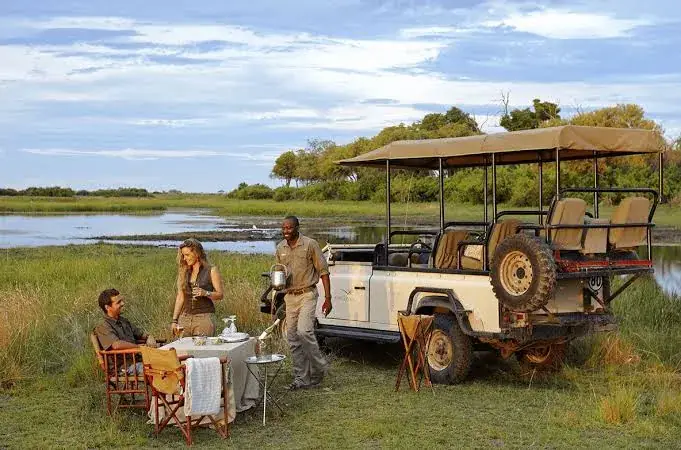
Oversimplifying this selection process introduces substantial experiential risk. Many couples select prominent national parks based entirely on historical reputation, unaware that high public density can compromise their privacy. For example, a shared sighting in a public reserve can involve dozens of vehicles crowding a single location, breaking the illusion of wilderness isolation. A rigorous plan must prioritize private concessions where vehicle density is strictly capped, ensuring that wildlife encounters remain uncrowded and structurally quiet.
Furthermore, the concept of a couples-focused safari implies a level of spatial and acoustic insulation that standard lodge layouts do not provide. True privacy requires intentional architectural spacing and generous topographical buffers between villas or luxury tents. When properties cluster guest units around a central main deck to minimize plumbing and electrical runs, personal seclusion is diminished. Therefore, an analytical evaluation shifts the focus from decorative interior luxury to the physical orientation and concession mechanics of the site.
Historical and Systemic Evolution of Wildlife Conservation Tourism
The historical origins of the modern photographic safari are rooted in the early 20th-century transition away from commercial hunting expeditions toward resource preservation. Early wildlife viewing relied on permanent state infrastructure, where large public parks were set aside for public recreation. These early models prioritized high-volume public access over low-impact environmental protection. This approach often led to overdeveloped road networks and significant habitat disruption around major water sources.
The Emergence of Private Concessions
During the late 1980s and early 1990s, a structural revolution occurred with the introduction of the private concession model on public land or tribal borders. Private operators leased exclusive tourism rights from governments or indigenous communities in exchange for guaranteed rental revenue and anti-poaching security. This model restricted bed densities and vehicle numbers, transforming high-end travel into a direct funding engine for habitat conservation.
Technological Advancements in Remote Lodging
The contemporary wilderness lodge represents a major convergence of sustainable engineering and architectural design. The development of silent solar-battery microgrids, localized greywater treatment plants, and sophisticated thermodynamic canvas membranes has transformed remote camp operations. Accommodations no longer require disruptive diesel generators to maintain high-amp climate control or refrigeration. This evolution has expanded the geographic boundaries of luxury travel into hyper-remote basins that were previously inaccessible due to resource scarcity.
Shifting Travel Motivations
Demographic variations have further refined the market, as contemporary couples increasingly seek deep ecological education over passive sightseeing. This behavioral transition has incentivized operators to replace traditional generic game drives with specialized activities, such as walking safaris, helicopter-assisted research surveys, and night tracking expeditions. The modern safari option is an engineered learning environment designed to provide deep environmental immersion while maintaining total physical comfort.
Conceptual Frameworks for Evaluating Remote Luxury
To systematically identify the top couples safari options, analysts deploy specific mental models that break down an itinerary into measurable variables. These frameworks prevent decision-making based on emotional responses to marketing media, ensuring that couples choose ecosystems aligned with their actual tolerance for seasonal and logistical variation.
The Vehicle Density vs. Sightings Quality Framework
This model maps destinations along an axis where one extreme represents high wildlife numbers with high vehicle crowding (public national parks), and the other represents lower wildlife tracking success but absolute exclusivity (unfenced private reserves). High-tier itineraries target the premium quadrant of this spectrum, utilizing vast private lands that border public parks to secure both high animal density and low vehicle counts.
The Luxury Triad of Remote Hospitality
This matrix evaluates a property based on three independent variables: Exclusive Space, Tracking Autonomy, and Infrastructure Resilience. Space measures the physical acreage per guest bed within the concession. Autonomy quantifies the couple’s ability to dictate game drive timing, vehicle occupancy, and route selection. Resilience evaluates the property’s ability to maintain high service levels during seasonal weather disruptions, such as heavy rains or extreme heat waves.
The Logistic Multiplier Effect
This model assesses the hidden physical and temporal costs associated with multi-camp itineraries. Each additional flight or vehicle transfer between camps introduces logistical friction, baggage constraints, and mandatory downtime. Couples must use this framework to determine whether a complex three-camp itinerary delivers a superior experience, or if a single, long-stay destination maximizes actual wilderness immersion while eliminating transit exhaustion.
Ecological Categories and Structural Trade-Offs
The ecological environment and structural design of a safari property dictate its wildlife dynamics, temperature regulation, and overall level of seclusion. Understanding these architectural and geographic variations allows couples to align their specific physical preferences with the correct destination type.
Low-Impact Mobile Tented Camps
Mobile camps utilize high-performance canvas structures designed to be dismantled and relocated semi-annually to track moving wildlife populations. These properties offer unmatched proximity to migrating herds, allowing guests to experience the sights and sounds of the wild with minimal structural barriers. However, mobile units typically feature simple plumbing systems and limited climate control, making them highly dependent on seasonal ambient temperatures.
Fixed Permanent Architectural Lodges
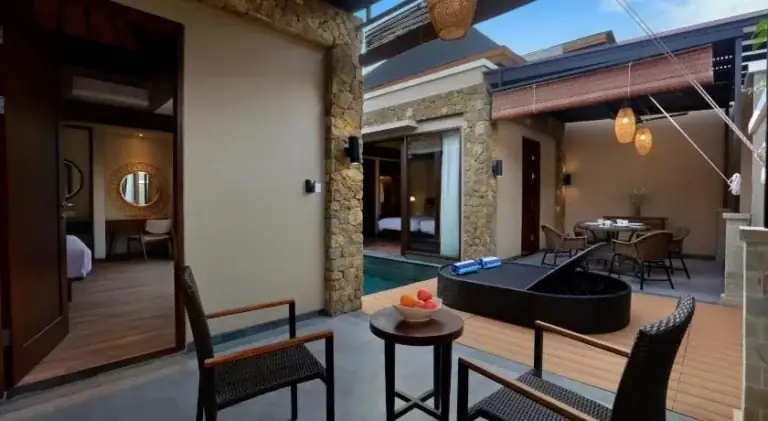
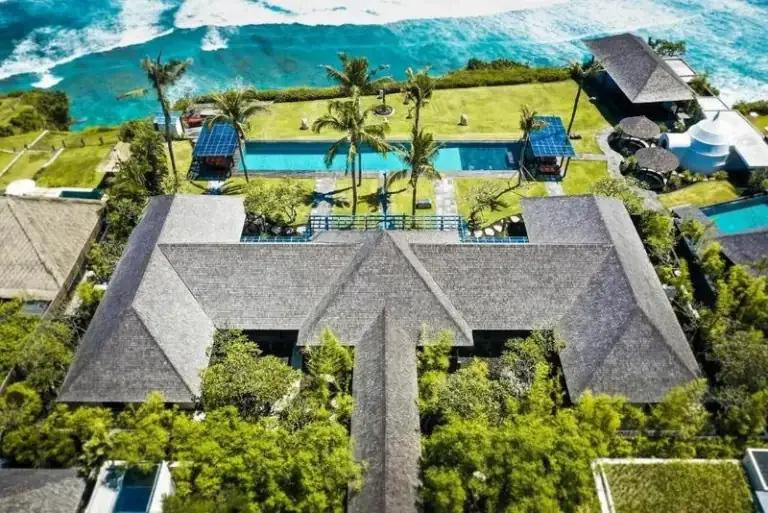
Constructed from local stone, glass, and heavy hardwoods, permanent lodges offer exceptional structural stability, rigid insulation, and expansive indoor-outdoor living spaces. These properties frequently feature glass-walled viewing pavilions, private plunge pools, and comprehensive wellness facilities. The trade-off involves a static geographic position, which means wildlife encounters are dependent on the resident species within that immediate river system or valley.
Private Water-Based Delta Camps
Operating in permanent wetlands, water-based camps utilize elevated wooden decks and boardwalks to navigate floodplains, focusing on boat cruises and traditional dugout canoe excursions. These properties provide superior visual isolation and an incredibly quiet acoustic environment, free from the engine noise of standard 4×4 vehicles. The limitation centers on restricted big-game encounters, as large predators are less dense in deeply flooded marsh systems.
Remote Desert and Arid Lodges
Located in sand dunes or rocky valleys, arid lodges focus on unique geological formations, night sky clarity, and adapted desert specialists like brown hyenas. These structures utilize thick thermal walls or deep thatch roofs to manage intense daytime heat and rapid night drops. While offering magnificent landscape views, wildlife density is naturally low, requiring long tracking drives over difficult terrain.
Real-World Scenarios and Environmental Dynamics
Evaluating a travel plan requires checking how specific ecosystems interact with human biology, logistics, and tracking engineering over a multi-day stay. Below are detailed operational scenarios demonstrating how these factors manifest across different African environments.
The Okavango Delta Inundation Wave
A couple books a five-night stay at an ultra-luxury permanent lodge located on an isolated island in the Okavango Delta during the winter dry season. This period coincides with the arrival of the annual floodwaters from the Angolan highlands.
-
Environmental Dynamics: Ambient afternoon temperatures reach 82°F (28°C) with zero rainfall, dropping rapidly to 46°F (8°C) at night. The surrounding dry channels fill with deep floodwaters over a forty-eight-hour period, transforming the terrain.
-
Operational Friction Points: The sudden water rise cuts off traditional vehicular tracks, forcing a complete shift from land-based 4×4 game drives to motorboat and canoe operations. The lodge’s solar grid must power heavy water-filtration units to process the incoming surface water for guest consumption.
-
Failure Modes: If the camp’s elevated boardwalk infrastructure experiences structural damage from shifting sands or wildlife weight, guest movement between villas becomes hazardous. A failure in the outboard motors of the camp’s watercraft can isolate guests on the island, turning a luxury stay into an unplanned logistical delay.
The Serengeti Migratory Transit Corridor
A couple selects a high-performance mobile tented camp positioned in the northern Serengeti corridor during the late dry season. Their primary objective is observing river crossings along the Mara River.
-
Environmental Dynamics: Intensely dusty atmosphere with daytime temperatures exceeding 90°F (32°C). High wildlife concentration creates significant airborne particulate matter along the riverbanks.
-
Operational Friction Points: The high density of public vehicles on the public side of the river causes severe acoustic pollution and dust clouds that can disrupt wildlife movement. The couple’s private vehicle must utilize alternative access routes within a private concession buffer to secure clean sightlines.
-
Second-Order Effects: The continuous dust ingress tests the seals on camera gear and sensitive electronics. If the camp’s open-sided safari vehicles lack proper dust covers, guests can experience respiratory irritation, which can compromise their physical comfort during long tracking sessions.
Financial Dynamics: Cost Structures and Capital Allocation
The economics of high-end wilderness expeditions reflect the substantial capital expenditures needed to maintain premium hospitality in remote, off-grid locations. Understanding the distinction between base rates and indirect costs is critical for accurate budgeting.
Fixed and Variable Cost Vectors
Direct costs include the nightly per-person rate, private concession conservation levies, and emergency medical evacuation insurance. Variable expenses comprise private bush-plane charters, premium wine allocations, gratuities for tracking teams, and specialized camera equipment rentals.
Opportunity Costs of Fragmented Itineraries
Choosing an itinerary that hops between three or four camps across distant ecosystems introduces significant time penalties. Every flight requires packing, check-out protocols, airstrip transfers, and weather delays. This overhead reduces actual time spent in the field tracking wildlife, transforming an expensive vacation into a stressful series of aviation touchpoints.
Capital Allocation Strategy
Couples must analyze whether a property’s premium pricing reflects exclusive land access or simple cosmetic embellishments. A camp with basic tented structures that owns exclusive traversing rights over 100,000 private acres routinely delivers a superior wildlife experience compared to a lavish resort crowded onto a tiny plot of land.
Operational Tools and Site Assessment Strategies
To systematically verify the quality of a safari destination before booking, couples can utilize specific digital resources and analytical strategies. These steps help bypass marketing copy and evaluate actual field performance.
Satellite Corridor Mapping
Using open-source satellite mapping tools allows travelers to analyze the physical distance between a lodge and permanent water sources. Properties positioned adjacent to perennial river systems maintain resident wildlife populations year-round, whereas inland camps rely entirely on seasonal rainfall to attract animals.
Flight Path and Airfield Integrity Audits
Digital aviation tracking platforms enable travelers to audit the historical reliability and safety footprints of regional bush airlines. Verifying that a charter operator utilizes twin-engine aircraft with weather radar capabilities ensures a higher margin of safety when navigating convective tropical storm systems.
Community Conservation Audits
Reviewing the corporate structure of a safari operator reveals the actual percentage of revenue shared with local indigenous communities. Properties that feature clear joint-venture partnerships with local councils typically enjoy superior security, lower poaching rates, and more enthusiastic tracking guides.
Risk Landscape: Environmental, Medical, and Logistical Failure Modes
Operating a high-end hospitality service in remote wilderness areas involves navigating unpredictable natural networks. A complete mitigation strategy requires identifying potential failure points and understanding how minor operational issues can compound into major emergencies.
Vector-Borne Pathogen Risks
Many prime wildlife ecosystems are situated within active transmission zones for malaria, dengue, and sleeping sickness. Canvas camps rely on insecticide-treated netting and positive-pressure fan systems to minimize exposure. A failure in a tent zipper or a tear in a window mesh allows vectors to enter, creating a direct health risk.
Apex Predator Enclosure Breach
While modern luxury camps are often unfenced to allow natural wildlife movement, this design requires strict adherence to safety protocols. If a guest steps off an elevated boardwalk at night without a trained escort, they enter an active predator hunting zone. Simple human errors can lead to dangerous wildlife encounters.
Cascade Mechanics
A compounding failure occurs when an initial environmental event triggers a sequence of subsequent system breakdowns. For example, a heavy flash flood can submerge a camp’s unpaved bush airstrip, preventing fixed-wing aircraft from landing. If the same storm system causes a localized satellite outage, the camp’s primary communication link is cut. A medical emergency occurring during this double failure cannot be evacuated via standard air ambulance, forcing reliance on slow, ground-based 4×4 transit over flooded tracks.
Long-Term Adaptation and Seasonal Macro-Tuning
A definitive wilderness travel strategy must adjust dynamically across the calendar year, matching architectural and environmental choices to changing seasonal conditions. A camp that offers a stellar experience in the dry winter months can become uncomfortable or impractical during the summer rains.
The Peak Dry Season (June – October)
This period is characterized by surface water scarcity, forcing wildlife to concentrate around permanent rivers and waterholes. Vegetation thins significantly, maximizing tracking visibility and ease of photography. Low night temperatures minimize insect activity, making this the most predictable season for first-time visitors, though it comes with the highest booking costs.
The Shoulder “Green” Season (November – March)
The arrival of the summer rains transforms the landscape into a dense, green environment, signaling the start of the birthing season for many herbivores. Migratory bird populations arrive in massive numbers, and dramatic afternoon thunderstorms provide exceptional photographic backdrops. The trade-offs include higher humidity, dense foliage that can obscure predators, and increased insect activity.
The Transition Months (April – May)
As the rains subside, water remains widely distributed across the interior plains, causing wildlife to disperse into remote backcountry zones. Tracking requires highly skilled guiding teams, as animals are no longer tied to permanent river channels. This season offers lower guest traffic and cooler weather, but demands greater patience during game drives.
Evaluation Metrics: Measuring Experience Integrity
Evaluating the success of a luxury safari itinerary requires tracking specific qualitative and quantitative signals. Moving past vague reviews allows travelers to objectively judge whether a destination delivers on its premium promises.
Leading and Lagging Indicators
Leading indicators are verifiable factors checked before departure, such as the maximum number of seats per vehicle, the acreage of the private concession, and the licensing level of the assigned guides. Lagging indicators are metrics assessed during the stay, including the average number of vehicles at a sighting, the daily frequency of big-cat encounters, and the quietness of the camp at night.
Quality Assessment Checklist
-
Traversing Freedom: Is the vehicle permitted to drive off-road to follow elusive tracks, or is it legally restricted to established roads?
-
Guide Qualifications: Has the lead guide completed advanced tracking certifications, or are they a generalist resort host?
-
Acoustic Footprint: Are the sounds of other vehicles, camp generators, or nearby village traffic audible from the private deck?
-
Spotting Autonomy: Does the vehicle operate on a flexible schedule, or are game drives limited to rigid morning and evening windows?
Documentation Protocols
Keeping a structured wildlife and operational log allows couples to refine their preferences for future trips. Recording specific concession sizes, vehicle configurations, and wildlife encounter dynamics helps build an empirical baseline for future travel choices.
Common Misconceptions in Wilderness Travel
The expansion of the luxury travel market has popularized several persistent misunderstandings that can lead to poorly planned safaris.
Myth 1: National Parks Always Offer the Best Experience
Many travelers assume that famous national parks automatically provide the highest quality safari. In reality, public parks often suffer from intense vehicle congestion and strict rules against night drives and off-roading, which can compromise privacy and tracking success.
Myth 2: An Expensive Lodge Guarantees Expert Guiding
Price is frequently driven by luxurious interior design, high-end culinary options, and premium spa facilities rather than the quality of the guiding team. True tracking excellence requires properties that invest heavily in guide salaries and long-term training programs.
Myth 3: Seeing the “Big Five” is the Only Measure of Success
Focusing exclusively on checking off a generic list of large mammals can lead to a frantic, superficial itinerary. Embracing the wider ecosystem—including birdlife, tracking techniques, and night-sky clarity—fosters a much deeper appreciation for the wilderness.
Myth 4: Animals Frequently Attack Open Safari Vehicles
Large predators see an open-sided vehicle as a single, large object rather than a collection of individual human targets. As long as guests remain seated and follow the guide’s instructions, animals display neutral behavior and ignore the vehicle’s presence.
Myth 5: Malaria Risks Can Be Fully Eliminated by Choice of Lodge
Even the most pristine luxury properties cannot completely control wild insect populations. Travelers must combine high-end lodge amenities with personal preventative measures, including appropriate medication and proper evening clothing choices.
Myth 6: All Seasons Require the Exact Same Packing Strategy
The temperature swings in southern African deserts during winter demand heavy, windproof layers for early morning drives. Conversely, East African summer safaris require lightweight, breathable fabrics designed to manage intense heat and humidity.
Ethical Land Use and Community Engagement Models
The development of high-end safari camps introduces significant responsibilities regarding habitat preservation and community support. Constructing permanent structures in fragile wilderness areas can disrupt natural wildlife movements and strain local water tables. Properties must utilize low-impact engineering, such as raised boardwalks and removable foundations, to protect the long-term health of the ecosystem.
Furthermore, community inclusion is essential for sustainable, long-term conservation. Properties that operate without providing employment, education, or healthcare investments to nearby villages often face friction and higher poaching rates on their borders. Leading safari models focus on joint-equity partnerships, where local communities own the land lease and benefit directly from tourism revenue. This collaborative approach ensures that the presence of luxury travel actively supports both local livelihoods and wildlife protection.
In conclusion, the top couples safari options achieve a thoughtful balance between premium guest comfort and ethical environmental stewardship. By selecting operators who prioritize private land conservation, local community employment, and low-impact infrastructure, couples can enjoy some of the world’s most remote landscapes while contributing meaningfully to their preservation. This structured approach transforms high-end wilderness travel into a vital tool for long-term ecological protection.