Top Wellness Resort Plans for Couples: Comparative Systems Analysis
The integration of preventative medicine, advanced metabolic diagnostics, and elite hospitality has created a highly specialized sector within the global wellness economy. For decades, residential wellness was defined by generic spa structures, basic thermal baths, and superficial dietary adjustments. Modern operations utilize highly advanced clinical systems, specialized metabolic diagnostics, and strict physical isolation architectures designed to reverse cellular and neurological exhaustion. This evolution represents a major shift toward measurable, scientifically validated biometric optimization.
For dual-income households and partners navigating high-stress corporate environments, selecting a health-focused itinerary requires a precise understanding of operational variables. The global distribution of destination clinics, medical spas, and longevity retreats presents a highly fragmented marketplace. These setups range from alpine facilities focused on cellular regeneration to remote sub-tropical centers prioritizing neurological decompression. Without a structured framework to evaluate these offerings, travelers frequently select itineraries that create hidden logistical friction, undermining the biological goals of the retreat.
Evaluating these premium therapeutic configurations requires a systematic approach that looks past lifestyle marketing and superficial aesthetic treatments. Real quality in shared restorative travel is determined by structural systems, including diagnostic depth, circadian environmental engineering, and medical-grade data security. This analytical review breaks down these variables to establish a clear methodology for analyzing, planning, and optimizing high-investment restorative itineraries, providing an objective framework for decision-making.
Understanding “top wellness resort plans for couples”
The classification “top wellness resort plans for couples” is frequently oversimplified by mainstream travel media into a basic package of shared recreational pampering. Standard marketing materials routinely equate couple-focused wellness with couples massages, beachside yoga sessions, and candlelit health cuisine. In professional wellness architecture, however, a true joint plan represents a carefully engineered environment where two distinct metabolic profiles are optimized simultaneously without compromising individual privacy. The primary challenge lies in balancing individual clinical needs with a shared itinerary that maintains the couple’s relationship dynamic.
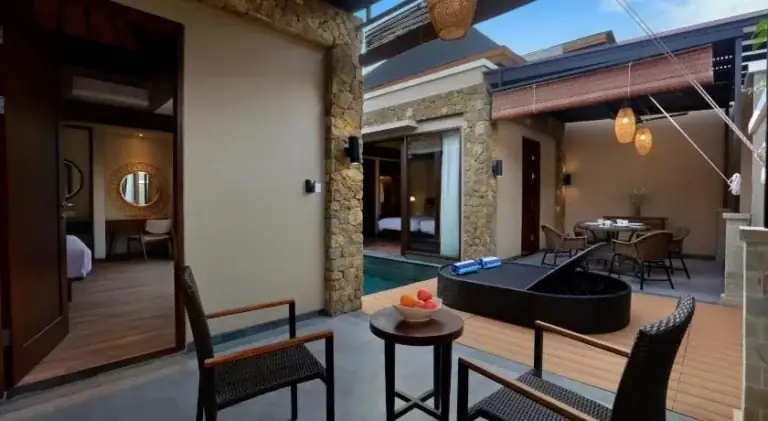
Oversimplifying the selection of a wellness retreat introduces significant biological and relationship risks that can undermine the entire investment. Many couples choose destinations based on visual aesthetic trends, completely ignoring the rigorous demands of the actual medical or therapeutic protocols. For example, an itinerary that forces two partners with wildly different health profiles into the exact same treatment schedule can cause frustration and suboptimal results. A successful plan must feature independent diagnostic testing, allowing personalized clinical paths to be executed within a shared private villa environment.
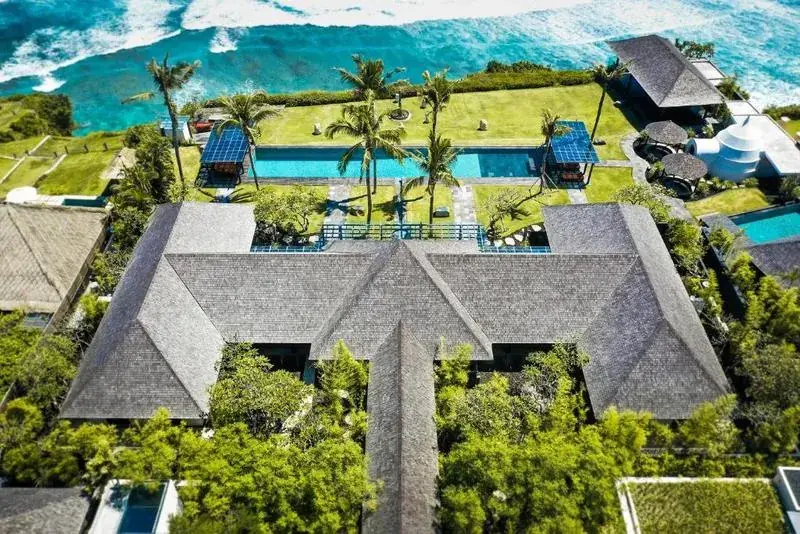
Furthermore, a true restorative program must manage the tension between public therapy spaces and private, isolated recovery areas within the property. High guest density in diagnostic centers or relaxation lounges can easily disrupt the sense of personal safety required for deep emotional and neurological decompression. True restoration requires intentional facility layout design, including separate corridors for clinical staff, well-insulated private therapy rooms, and large physical distance buffers between guest villas. An objective evaluation must focus on the underlying clinical infrastructure and spatial layout of the retreat.
Historical Evolution: From Sanatoriums to Precision Longevity Centers
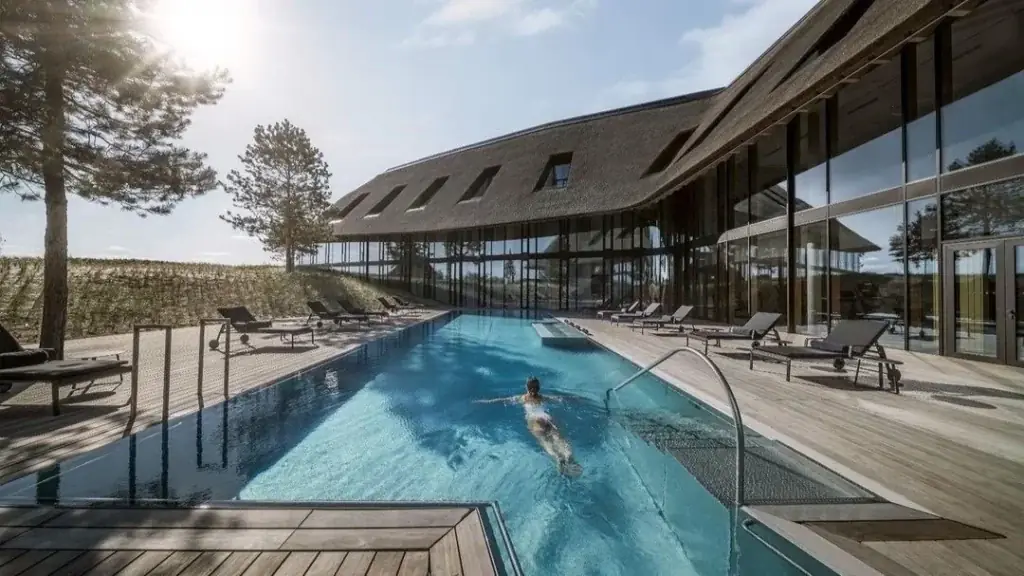
The historical roots of residential health travel lie in the 19th-century European sanatorium movement, where elite patients stayed at mountain facilities to cure chronic respiratory illnesses. These early operations relied on basic environmental factors, prioritizing cold mountain air, natural sunlight, and rigid daily schedules to boost the human immune system. The infrastructure was institutional and highly centralized, utilizing grand communal dining halls and shared medical wards that offered little room for personal privacy or customized treatment paths.
The Rise of Thermal Mineral Springs
During the mid-20th century, the discovery of specialized mineral properties in natural hot springs led to the creation of the luxury thermal spa resort. Wealthy travelers began seeking out these regional water centers for hydrotherapy, mud treatments, and structured digestive cures, particularly across central Europe and coastal regions. This era introduced the concept of the self-contained wellness estate, where specialized thermal bathhouses and private dietary kitchens were managed inside a single perimeter to protect guests from the chaotic outside world.
The Era of Holistic Destination Retreats
The late 20th century saw the rapid expansion of holistic wellness retreats, which combined ancient eastern healing practices with western fitness methods. As international aviation made remote travel easier, operators built self-contained eco-enclaves in tropical locations like Southeast Asia and Central America. These facilities expanded their infrastructure beyond simple thermal baths to include dedicated meditation pavilions, organic farms, and comprehensive detoxification centers, catering to executives looking to escape intense professional stress.
Modern Precision Longevity Centers
In the current wellness market, precision longevity diagnostics and cellular health technologies have replaced generic lifestyle pampering. Modern couples seek out advanced centers that provide full-body imaging, epigenetic mapping, and precise intravenous nutrient therapies to slow down cellular aging. The contemporary health retreat has transformed into a highly engineered medical-hospitality hybrid, optimized to provide rapid biological recovery and data-driven health extensions far removed from standard commercial tourism.
Diagnostic and Biological Mental Models
To systematically analyze and identify the top wellness resort plans for couples, asset planners deploy specific mental models that break down an itinerary into measurable variables. These frameworks prevent choices driven by emotional reactions to marketing copy, ensuring that partners select facilities that match their actual physical tolerances.
The Metabolic Asymmetry Framework
This model analyzes the physical and biological gaps between two partners entering a shared wellness program simultaneously. It maps variables such as individual endocrine health, cardiovascular capacity, and sleep architecture to determine if a resort can handle divergent treatment paths. A high-tier facility resolves these differences by creating custom, non-overlapping schedules, ensuring neither partner faces unnecessary physical strain or programmatic boredom.
The Allostatic Load Balancing Model
This framework tracks the total physiological strain caused by chronic lifestyle stress against the retreat’s recovery capacity. An optimal plan minimizes initial travel fatigue by utilizing private airport transfers and expedited medical check-ins to protect the guest’s energy reserves. If the physical demands of the destination’s wellness program exceed the guest’s adaptive capacity, the retreat risks triggering immune exhaustion instead of deep biological recovery.
The Circadian Synchronization Index
This model measures the rate at which a resort’s environmental design helps restore a couple’s natural sleep-wake cycles. High-performance wellness architectures use medical-grade lighting systems, automated window shading, and advanced acoustic insulation to stabilize melatonin production. This index helps planners prioritize locations that actively protect sleep quality, ensuring that nutritional and physical therapies deliver maximum biological benefits.
Programmatic Typologies and Clinical Trade-Offs
The underlying medical or therapeutic focus of a health facility determines its diagnostic depth, environmental exposure, and daily operational structure. Understanding these variations allows couples to align their specific physical recovery goals with the correct institutional model.
Alpine Advanced Medical Longevity Clinics
Located in isolated mountain regions, these high-tech clinics offer comprehensive genetic sequencing, advanced blood apheresis, and hyperbaric oxygen therapies. They provide exceptional diagnostic depth, utilizing state-of-the-art labs and on-site medical specialists to design data-driven health extensions. The primary trade-off is the clinical atmosphere, which can feel overly sterile and rigid, leaving little room for spontaneous relaxation or casual leisure activities.
Sub-Tropical Ayurvedic and Holistic Enclaves
Positioned in warm, humid coastal or jungle environments, these enclaves focus on intensive herbal detoxification, panchakarma treatments, and deep mind-body alignment. They excel at reducing neurological stress through warm natural environments and personalized, hands-on healing traditions. However, because these properties favor historic, open-air pavilion designs, they may offer less precise climate control and lower protection against seasonal biting insects compared to modern urban facilities.
Nordic Performance and Thermal Hydrotherapy Centers
Built along cold coastal inlets, these facilities utilize intense contrast therapy, combining sub-zero cryotherapy chambers with traditional wood-fired saunas and mineral springs. They are highly effective at reducing systemic inflammation, boosting cardiovascular circulation, and accelerating muscular recovery. The operational challenge involves the demanding physical nature of the protocols, which require a baseline of physical health that may be too strenuous for guests recovering from severe chronic illness.
Arid Landscape Fasting and Autophagy Oases
Situated in remote, high-desert environments, these specialized facilities focus on supervised water fasting, calorie restriction, and deep cellular cleansing. They use extreme isolation and empty desert vistas to minimize sensory overstimulation and help guests focus entirely on internal detoxification. The operational limitation centers on low caloric energy levels, meaning the daily schedule must be carefully restricted to low-impact yoga and deep rest to prevent physical exhaustion.
Stress-Testing Real-World Scenarios and System Constraints
Evaluating a shared wellness itinerary requires analyzing how specific medical protocols and environmental conditions interact over a multi-day stay. Below are detailed real-world scenarios demonstrating how these variables manifest under actual conditions.
Intensive Metabolic Detoxification Interference
A couple registers for a comprehensive ten-day detoxification and cellular cleansing protocol at a remote island medical resort to experience the top wellness resort plans for couples. The program includes daily liver packs, colon hydrotherapy, and a strict, low-calorie liquid diet.
Biological Responses to Treatment Fatigue
By the fifth day of the fast, one partner experiences severe healing crises, including intense migraines, low blood pressure, and extreme physical weakness caused by rapid toxin release.
-
Operational Friction Points: The weakened partner is unable to attend the shared mindfulness sessions or evening health lectures scheduled in the main pavilion. The other partner, experiencing a surge of physical energy from cellular autophagy, wants to join high-intensity hikes but feels restricted by their spouse’s condition.
-
System Failure Modes: If the resort lacks flexible, on-site medical staff who can adjust protocols right inside the villa, the couple’s daily schedule breaks down. Without immediate intervention to balance the treatment paths, relationship tension can rise, replacing relaxation with emotional stress.
Sub-Zero Cryotherapy and Thermal System Failures
A couple checks into an advanced Nordic performance center to undergo a intensive five-day contrast therapy program designed to reduce systemic joint inflammation. The schedule requires precise sequencing between ultra-low temperature walk-in cryo-chambers and hot mineral plunge pools.
Infrastructure Reactions to Power Disruptions
During a period of sub-zero winter weather, a major grid failure forces the facility to switch entirely to its backup diesel generator network.
-
Operational Friction Points: The backup generators struggle to supply enough power to run the liquid nitrogen compression pumps in the cryo-chambers while keeping the outdoor mineral pools heated. Interior temperatures in the relaxation lounges drop, disrupting the warm environment needed between contrast sessions.
-
Second-Order Effects: The breakdown of the thermal sequencing prevents the guests from completing their prescribed treatments, stalling their physical recovery. If the center lacks auxiliary wood-fired heating systems, the couple must cut their stay short, resulting in significant logistical and financial losses.
Capital Dynamics: Operational Vectors and Asset Allocation
The financial cost of premium health retreats reflects the extensive medical infrastructure, high staff-to-guest ratios, and advanced diagnostic technologies required to run these programs. Understanding the distribution of these capital vectors is essential for proper budget management.
Fixed Foundations and Variable Diagnostic Elements
Direct expenses include the foundational resort tariff, advanced laboratory screening fees, and personalized nutritional planning costs. Variable expenses comprise specialized intravenous therapies, advanced body composition scans, private longevity coaching, and post-retreat medical follow-ups.
The Inefficiency of Short Health Stays
Choosing a highly advanced medical clinic for a brief three-night stay introduces significant time and financial inefficiencies. Comprehensive blood panels, epigenetic testing, and physiological assessments take at least 48 hours to process, leaving little time to apply the findings during a short stay. This compressed timeline turns the retreat into an expensive diagnostic session, preventing guests from experiencing the actual therapeutic benefits of the customized program.
Strategic Allocation of Wellness Capital
Couples should evaluate whether a facility’s high pricing stems from real medical expertise and advanced diagnostic tools, or simply trendy branding and luxury decor. Investing financial resources in properties that feature state-of-the-art laboratory equipment and experienced clinical staff delivers a much better health return than booking an overpriced resort that only offers standard spa treatments.
Verification Frameworks and Information Auditing
To objectively verify the medical and therapeutic quality of a health resort before committing to a contract, travelers can deploy specific screening strategies. These steps help bypass superficial marketing copy, revealing the real capabilities of the facility.
Institutional Credential Auditing
Travelers should verify the licensing and professional credentials of a resort’s resident medical team before booking. Ensuring that the facility is supervised by board-certified physicians, licensed endocrinologists, and registered dietitians guarantees that health protocols are backed by genuine medical science.
Diagnostic Technology Screening
Requesting a detailed list of a center’s laboratory equipment and imaging systems reveals whether their diagnostics are truly advanced. Elite longevity clinics should feature on-site high-resolution ultrasound machinery, advanced body composition analyzers, and partnerships with accredited genetic sequencing labs.
Architectural Layout Verification
Reviewing detailed blueprint layouts of the therapeutic wings helps travelers check the level of physical privacy provided during treatments. Ensuring that clinical recovery areas are completely separate from high-traffic resort common spaces prevents unwanted public exposure during sensitive medical or detoxification therapies.
Risk Landscape: Biometric Vulnerabilities and Compounding System Failures
Operating advanced therapeutic programs in remote or isolated settings involves managing unpredictable biological, environmental, and technological systems. A successful retreat strategy requires identifying potential vulnerabilities and understanding how minor issues can spiral into major health disruptions.
Data Security and Privacy Breaches
Advanced wellness programs collect highly sensitive personal data, including full genetic profiles, detailed medical histories, and real-time biometric metrics. If a resort utilizes basic, non-encrypted cloud storage networks, this private information is vulnerable to cyber thefts. A security breach can expose a guest’s confidential health data, causing significant personal and professional complications.
Adverse Reactions to Medical Protocols
Intensive treatments like intravenous nutrient therapies, deep tissue bodywork, and severe calorie restrictions can occasionally trigger adverse physical reactions. These can manifest as sudden electrolyte imbalances, severe skin rashes, or acute muscle strain. If a remote property lacks immediate access to emergency medical equipment, a minor treatment complication can escalate into a serious health crisis.
Compounding Protocol Failures
A compounding failure occurs when an unrecognized physical vulnerability interacts poorly with consecutive intensive therapies. For example, undetected electrolyte depletion from an intense fast can be dangerously worsened by a long session in a hot infrared sauna, causing severe dehydration. This drop in fluids can trigger a sudden fainting spell, leading to a physical fall injury. If the isolated facility lacks emergency orthopedic tools, the guest must undergo a painful evacuation, completely cutting short the restorative journey.
Programmatic Maintenance and Long-Term Lifestyle Adaptation
An effective wellness strategy must adapt dynamically across different life stages and health milestones, shifting retreat choices as personal longevity goals and physical needs evolve over time.
Navigating Life-Stage Adjustments
As couples age, their primary health concerns usually shift from high-intensity stress decompression and weight management toward joint mobility preservation, cognitive health, and cardiovascular longevity. Itinerary planning should evolve accordingly, moving away from exhausting fitness camps toward highly specialized medical clinics that offer low-impact thermal therapies and precise cognitive support.
Aligning and Adjusting to Seasonal Changes
A health retreat that provides an excellent experience in the dry winter months can present major environmental challenges during humid summer seasons. Planners must match their specific travel dates with regional climates, selecting environments that support natural healing and outdoor relaxation during that particular month.
Upgrading Private Treatment Spaces
Over time, long-term partners often develop a preference for deeper privacy and quieter surroundings during intensive health treatments. Itineraries should adapt by transitioning from busy resort spas to boutique properties that feature private in-villa treatment rooms, independent fitness facilities, and dedicated personal health chefs.
Metric Engineering: Biometric Tracking and Data Stewardship
Evaluating the true success of a high-investment wellness retreat requires monitoring clear qualitative and quantitative indicators, looking past generic reviews to measure actual physical improvements.
Leading and Lagging Health Metrics
Leading indicators are verifiable factors evaluated before checking in, such as the staff-to-guest ratio, the qualifications of the medical board, and the privacy certifications of the resort’s data systems. Lagging indicators are hard biometrics measured during and after the stay, including reductions in resting heart rate, improvements in heart rate variability (HRV), stabilized cortisol levels, and deep-sleep duration gains.
Comprehensive Quality Performance Audits
-
Diagnostic Precision: Did the laboratory panels deliver actionable genetic and metabolic insights, or simply generic health overviews?
-
Acoustic Insulation: Did the interior noise levels in the sleep pavilions remain below 30 decibels to ensure uninterrupted circadian rest?
-
Nutritional Customization: Were the daily macro-nutrient plans precisely adjusted to match individual caloric restrictions and food sensitivities?
-
Treatment Coordination: Were multi-day medical therapies executed smoothly without causing scheduling conflicts or physical exhaustion?
Systematic Health Data Archiving
Keeping a meticulous log of all laboratory results, biometric changes, and treatment responses helps couples track their long-term health trends. This empirical record provides a valuable reference database that makes it easier to select effective properties and modify protocols for future restorative journeys.
Analytical Corrections to Common Wellness Myths
The rapid expansion of the luxury wellness market has popularized several persistent misconceptions that can lead to poorly planned and ineffective health retreats.
Myth 1: Every Resort Spa Can Execute Medical Wellness Plans
Most standard resort spas are designed for superficial relaxation and cosmetic skin treatments rather than serious cellular health optimization. Real medical wellness requires advanced diagnostic labs, licensed medical professionals, and customized health protocols that generic spas simply cannot provide.
Myth 2: Intensive Detoxification Protocols are Universally Safe
Aggressive fasting and cleansing programs can cause severe physical strain if executed without strict medical supervision. Individuals with undiagnosed metabolic issues or heart conditions can experience dangerous electrolyte imbalances that threaten their health.
Myth 3: Packed Daily Fitness Schedules Deliver the Best Results
Squeezing multiple intense workouts, yoga classes, and therapy sessions into every single day often leads to physical exhaustion rather than recovery. True biological healing requires a balanced schedule that leaves plenty of time for deep rest and cellular repair.
Myth 4: Organic Menus Automatically Meet Individual Needs
While eating organic whole foods is generally beneficial, generic healthy menus are not tailored to fix specific metabolic imbalances or food intolerances. A premium health program must design personalized meal plans based on individual blood chemistry and digestive analysis.
Myth 5: Exotic Tropical Settings are Perfect for Fasting
High heat and humidity place significant extra strain on the human cardiovascular system during intensive fasts or cleanses. Arid or temperate microclimates are generally much safer and more comfortable for low-calorie protocols, as they reduce the risk of dehydration.
Myth 6: Weight Loss is the Best Measure of a Successful Retreat
Sudden drops in scale weight during a short retreat usually reflect a loss of water and muscle mass rather than permanent fat reduction. True programmatic success is measured by long-term improvements in systemic inflammation, hormone balance, and cellular energy levels.
Socio-Environmental Dynamics and Institutional Stewardship
The development and operation of high-end wellness clinics in remote areas introduce major responsibilities regarding land management, community resource balance, and environmental sustainability. Constructing large medical-hospitality facilities in delicate environments can disrupt local water tables and strain regional utilities. Sustainable operations use low-impact building techniques, greywater recycling loops, and renewable energy grids to minimize their environmental footprint.
Furthermore, sourcing organic foods and managing clinical waste place significant demands on local agricultural and civic infrastructure. Responsible properties invest heavily in regional farming cooperatives and follow strict, eco-friendly waste disposal protocols to protect the surrounding landscape. By prioritizing these eco-friendly practices and supporting local communities, premier wellness operations ensure their longevity programs help protect and sustain the natural environments that host them.
Ultimately, identifying and executing the top wellness resort plans for couples requires balancing advanced scientific diagnostics with dedicated environmental stewardship. By choosing properties that utilize low-impact infrastructure, renewable energy networks, and evidence-based health protocols, couples can achieve lasting biological recovery. This structured approach allows partners to protect their long-term health while preserving the pristine natural environments that support global wellness.
Systemic Synthesis of Commemorative Health Protocols
The successful deployment of a high-investment health retreat depends on treating the entire journey as an integrated biological and logistical system. True lasting vitality is never achieved through spontaneous, uncoordinated lifestyle choices or superficial pampering. It requires a disciplined commitment to data-driven diagnostic screening, precise therapeutic pacing, and continuous environmental control. When partners approach a wellness retreat with this level of analytical rigor, the journey transforms into a powerful tool for extending healthspan and maintaining shared vitality over a lifetime.
Ultimately, the true value of these premium health programs lies in their ability to translate advanced laboratory insights into practical, everyday lifestyle modifications. The data collected during a stay provides a valuable baseline that allows couples to continuously optimize their nutrition, sleep, and fitness habits long after returning home. By treating the wellness retreat as the foundation of a lifelong preventative health strategy, long-term partners can successfully protect their physical resilience and shared focus across every future life stage.