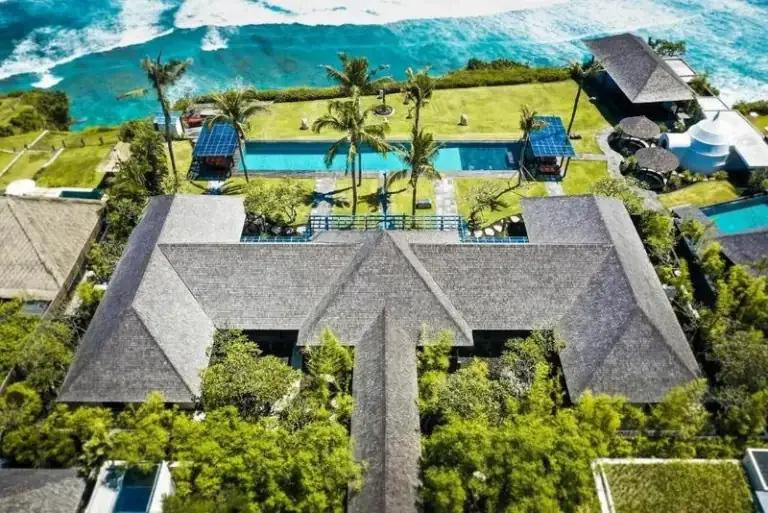
Structural Methodology to Compare All Inclusive Couple Resorts
The procurement of corporate leisure within dedicated properties requires a systematic evaluation of hospitality financial models, operational boundaries, and spatial designs. While consumer marketing routinely presents the all-inclusive resort model as a friction-free transactional choice, the structural reality involves complex resource allocation choices. A failure to analyze properties based on their underlying operational structures can turn a planned vacation into an exercise in unmet expectations and unexpected costs.
An objective comparison of packaged vacation models demands an analytical approach that goes far beyond the promotional materials provided by the brands. The international hospitality industry features a highly fragmented assortment of properties, each utilizing distinct supply-chain constraints, labor management strategies, and premium tiers. Traveling partnerships must navigate these hidden variables to ensure they get a genuine return on both their financial investment and their limited discretionary time.
This document serves as a comprehensive structural reference for analyzing and auditing package-based properties across global markets. By filtering resort operations through clear financial frameworks, couples can shift from emotional selection to an analytical procurement model. The goal is to provide a clear, repeatable methodology for identifying, cross-referencing, and selecting properties that deliver sustained luxury, reliable logistics, and high shared utility.
Understanding “compare all inclusive couple resorts”
The phrase “compare all inclusive couple resorts” is widely used within digital search systems, yet its analytical framework is rarely defined with precision. Consumer media typically reduces this process to comparing list prices, aesthetic designs, or online user review scores. This basic approach assumes that all traveling couples share identical risk tolerances, sensory baselines, and definitions of property utility. In reality, a property is only optimal if its specific operational and infrastructure models match the explicit requirements of the travelers.
Deconstructing the Comparative Matrix
An objective evaluation of all-inclusive hospitality environments shows that the true value of a property is determined by three main dimensions:
-
The Inclusion Real Estate Boundary: The precise legal line between baseline package inclusions and premium, out-of-pocket surcharges for dining, excursions, and amenities.
-
The Spatial Crowd Configuration: The architectural layout of the property, which dictates visitor density across shared spaces like beaches, pools, and restaurants.
-
The Service Delivery Model: The resort’s internal labor structure, which directly impacts staff-to-guest ratios, response times, and personalized care.
The Dangers of Superficial Curation
When consumers rely on generic comparison platforms, they often overlook serious structural disparities between properties. A resort that boasts a lower entry-level price point may implement a highly restrictive dining model, requiring guests to wake up early to book dinner reservations via a clunky digital app. Conversely, an ultra-premium compound might offer unrestricted access to amenities but be located in a remote area that requires long, high-friction ground transit. Therefore, any serious effort to compare all inclusive couple resorts requires filtering these choices through a strict matrix of operational parameters and individual travel needs.
Deep Contextual Background
The evolution of the all-inclusive vacation model is deeply tied to changing global logistics, trade patterns, and post-colonial economic shifts. The concept was pioneered in the mid-twentieth century as an insular, low-cost model designed to open remote island destinations to mass tourism without relying on local municipal infrastructure. These early versions prioritized predictable, standardized operations over personalized luxury, creating self-contained environments that separated guests from the surrounding local economy.
The Transition to Luxury Segmentation
Over the last few decades, a growing demand for high-end experiences among dual-income households has pushed the all-inclusive market to diversify. Brands have moved away from the uniform, mass-market designs of the past to create highly segmented, adult-only enclaves. These modern properties feature sophisticated architectural designs, complex culinary programs overseen by master chefs, and butler services designed to mimic traditional boutique luxury hotels.
The Influence of Corporate Consolidation
In the current hospitality landscape, the all-inclusive segment is increasingly dominated by major global hotel conglomerates. These massive corporations have acquired independent regional brands and integrated them into their broader loyalty program networks. This consolidation has introduced sophisticated revenue-management systems to the all-inclusive market, resulting in dynamic pricing structures that shift based on real-time global demand data rather than traditional fixed seasons.
Conceptual Frameworks and Mental Models
To systematically evaluate competing luxury properties, planners can use several clear mental models that look past promotional imagery.
The Per-Capita Space Index
This architectural model calculates the total acreage of a resort property relative to its maximum guest capacity during peak season. A high-density property can cause crowded pool areas, long lines for dining, and a lack of privacy on the beach, which compromises relaxation. Planners should aim to identify properties that maintain a high per-capita space index, ensuring sufficient physical buffers to preserve personal space and comfort throughout the stay.
The Margin Compression Matrix
This financial framework analyzes how a resort manages its internal profit margins across different price tiers. Properties operating on razor-thin margins often cut costs by using pre-mixed beverages, relying on lower-quality wholesale food chains, or understaffing key service touchpoints.
Understanding this matrix helps travelers see why a slightly higher upfront investment can lead to a significantly better experience, as it allows the resort to maintain higher ingredient and labor standards.
The Logistics-to-Leisure Ratio
This simple operational framework compares the total time and energy spent on transit against the actual duration of the resort stay. If an itinerary requires an international flight, a regional connection, and an extensive boat transfer just to reach a four-night stay, the logistics-to-leisure ratio is unbalanced. High-friction transfers are easier to justify for longer vacations, where the initial travel stress can be amortized over a week or more of uninterrupted relaxation.
Key Categories or Variations
All-inclusive properties can be categorized into distinct structural variations based on their geography, environmental focus, and core operational models. Each model offers unique benefits while carrying specific logistical trade-offs.
High-Density Mega-Resorts
These large, expansive complexes feature multiple accommodation towers, a vast array of dining venues, and extensive on-site entertainment infrastructure. They excel at offering choice and operational redundancy, ensuring that a rainy day never leaves guests without indoor activity options. The trade-off is found in higher noise levels, long walking distances between amenities, and a loss of intimate personalized service.
Boutique Eco-Enclaves
These properties focus on low-impact, sustainable luxury, often featuring detached villas integrated directly into natural landscapes like rainforests or coastal cliffs. They prioritize privacy, environmental stewardship, and highly tailored farm-to-table culinary experiences. However, they typically offer fewer total dining options, limited evening entertainment, and higher vulnerability to local weather disruptions.
Private Island Compounds
Representing the peak of luxury segmentation, these exclusive retreats restrict access to registered guests and a dedicated service staff. They offer an exceptional sense of isolation, highly flexible daily schedules, and pristine marine environments. The primary constraints include high baseline pricing, fixed geographical boundaries that limit off-site exploration, and reliance on complex, multi-modal transfer logistics.
Estate and Wellness Sanctuaries
These properties build their entire operational model around health restoration, stress management, and culinary education. They feature comprehensive spa inclusions, daily yoga or fitness programs, and customized nutritional dining menus. The structural vulnerability is a highly controlled environment that may feel overly restrictive to travelers looking for a more traditional, celebratory vacation experience.
Strategic Decision Logic
Selecting the right property model requires an honest evaluation of current energy reserves and communication goals. If a couple is navigating deep professional burnout, the decision logic should automatically eliminate high-density mega-resorts due to the ambient sensory stimulation they introduce. Instead, priority should be given to private islands or boutique enclaves, where low ambient noise and a slower daily pace allow for genuine cognitive decompression.
Detailed Real-World Scenarios
To truly understand how these hospitality models perform, we can look at several real-world scenarios that highlight common operational challenges and failure modes.
Scenario A: The App-Based Reservation Bottleneck
A couple books a premium oceanview suite at a popular mega-resort in the Caribbean. Upon arrival, they discover that access to the top-tier specialty restaurants requires using the resort’s proprietary mobile application.
The operational breakdown occurs because reservation slots open at midnight daily and fill up within minutes. Because they did not plan for this digital bottleneck, the couple is forced to eat at the crowded main buffet for most of their stay, neutralizing the specialty dining value they paid for upfront. This situation underscores the value of pre-trip concierge communication to secure dining access ahead of time.
Scenario B: Environmental Asymmetry in Eco-Luxury
A pair selects a luxury eco-enclave in Central America for an anniversary trip, drawn by images of open-air palapas and dense jungle surroundings.
The failure mode in this scenario is a mismatch in sensory tolerances. The open-air design exposes the living spaces to high tropical humidity and local wildlife, which can disrupt sleep patterns for a partner sensitive to environmental conditions. What was marketed as an intimate connection with nature becomes a source of physical discomfort, emphasizing why travelers must carefully review a property’s climate control infrastructure before booking.
Scenario C: The Hidden Surcharges of Private Islands
A couple invests a significant financial budget in a five-night stay at an exclusive private island resort, assuming the all-inclusive label covers all aspects of the experience.
The second-order surprise comes during checkout when they face a sizable bill for premium wines, scuba diving excursions, and the initial sea shuttle transfers. The resort’s core contract defined “all-inclusive” around baseline meals and non-motorized water sports, placing all premium activities behind a paywall. This scenario highlights why planners must carefully audit a property’s explicit exclusion list prior to arrival.
Planning, Cost, and Resource Dynamics
A professional travel evaluation must analyze the total financial layout of an all-inclusive stay as a dynamic equation shaped by seasonality, tier structures, and service fees.
Unbundling the Upfront Premium
When evaluating all-inclusive options against traditional European-plan hotels (where room, food, and activities are priced separately), planners must calculate the net economic value of the inclusion model. A high upfront cost can often be financially advantageous when traveling to remote island destinations, where importing goods drives up local restaurant and beverage prices. By securing an all-inclusive rate, travelers transfer the financial risk of high local supply chain costs to the resort operator.
Seasonal Pricing Dynamics
The baseline cost of premium all-inclusive properties changes dramatically based on global weather patterns and school schedules. Peak winter windows in tropical regions allow resorts to charge maximum rates while operating at full capacity, which can strain local service delivery. Shifting an itinerary to the shoulder months—such as late spring or early autumn—can reduce capital expenditures by thirty to fifty percent while offering a quieter, lower-density environment.

Tools, Strategies, and Support Systems
Successfully navigating the premium resort market requires using a reliable set of informational tools and strategic planning steps. These systems help protect the vacation from common operational oversights.
Pre-Arrival Concierge Onboarding
Planners should reach out to the resort’s guest relations team three to four weeks before their departure date. This early contact should be used to request the property’s complete activity calendar, current restaurant menus, and dress code policies. Securing this information ahead of time allows the couple to finalize restaurant reservations, arrange spa times, and coordinate transit schedules before on-site availability runs low.
Satellite Layout Auditing
Relying solely on marketing maps can be misleading, as these illustrations often alter distances to make amenities appear closer together. Using high-resolution satellite imagery tools lets planners verify the true physical layout of the property. This independent check reveals whether a specific room tier sits close to noisy entertainment zones, or if accessing the beach requires walking across a massive, multi-acre complex.
Travel Document Digitization
Managing physical vouchers, transfer confirmations, and health declarations while in transit can introduce unnecessary stress. Planners should compile all travel assets into a single, encrypted digital folder that can be accessed offline by both partners. This simple step ensures that critical booking data and transfer contacts remain available even when cellular or local Wi-Fi networks are unstable.
Risk Landscape and Failure Modes
Every resort vacation is exposed to a unique set of operational risks and environmental changes that can compromise the value of the trip.
Seasonal Understaffing Realities
During the transition from peak to off-peak seasons, many resorts reduce their active labor force to cut operational overhead. This reduction can lead to slower service times, limited restaurant options, and less frequent maintenance across the property. Planners should check recent traveler feedback from transitional weeks to ensure that lower seasonal prices won’t result in a poor service experience.
Destination Maintenance Cycles
To keep large properties in top tier condition, resorts must regularly shut down specific sections for deep cleaning, pool resurfacing, or structural repairs. If these maintenance windows overlap with a vacation, guests may find a primary pool closed or face construction noise near their suite. Confirming upcoming renovation schedules with the front office before finalizing a booking is an essential step to preserve the quality of the stay.
Regional Supply Chain Failures
Remote island properties rely heavily on regular cargo shipments to stock their kitchens with fresh, high-end ingredients and premium beverages. A disruption in regional shipping lines due to severe weather or labor challenges can quickly lead to menu shortages and limited options. Choosing resorts with diversified supply networks or those that source ingredients from local agricultural cooperatives can help mitigate this risk.
Governance, Maintenance, and Long-Term Adaptation
Frequent travelers should treat their resort selection process as an ongoing planning model that updates regularly based on past travel data.
Post-Trip Performance Audits
Within forty-eight hours of returning home, couples should take a few minutes to review the operational success of their stay. This review should focus on specific, measurable details rather than vague impressions. Did the room’s location provide a quiet environment? Was the food quality consistent across the different venues? Documenting these specific details helps ensure future bookings are built on solid personal insights.
Operational Planning Adjustions
Couples can establish clear financial and operational guidelines to shape future travel planning. If a post-trip audit reveals that out-of-pocket surcharges for premium dining and activities inflated the total cost by more than twenty-five percent, future searches should target properties with more inclusive packages. If a resort’s high guest density caused noticeable stress, subsequent selections should shift toward lower-capacity boutique layouts.
The Resort Adaptation Checklist
-
Inclusion Review: Did the complimentary amenities live up to their marketing descriptions?
-
Density Check: Was it easy to find seating at the pools and beach without early morning rushes?
-
Logistics Verification: Did the actual transit time from the airport match the resort’s estimates?
-
Service Assessment: Was the staff responsiveness consistent throughout the entire stay?
Measurement, Tracking, and Evaluation
Evaluating a major investment in a luxury resort requires tracking both clear financial metrics and qualitative indicators of relaxation.
Leading and Lagging Indicators
A leading indicator is a metric checked before booking that predicts a smooth experience, such as the property’s staff-to-guest ratio or its historic occupancy limits for that week. A lagging indicator is analyzed after returning home, measuring data like total unexpected expenditures or the number of hours spent dealing with scheduling challenges on-site.
Qualitative Success Signals
Qualitative tracking focuses on the general atmosphere and flow of the vacation. A positive signal is a flexible, relaxed daily pace where both partners feel comfortable moving between activities and rest without friction. Negative signals include frustration with booking systems, feeling rushed during meals, or a shared sense of relief upon checking out, which typically points to a mismatch between the resort’s setup and the travelers’ expectations.
Practical Performance Records
-
Record Case 1 (Dining Model Assessment): “Property X required all lunch reservations to be made by 8:00 AM daily, creating an artificial schedule; future selections must favor properties with unrestricted dining access.”
-
Record Case 2 (Spatial Layout Log): “The swim-up suite layout placed our patio directly next to the main sound systems, compromising afternoon rest; future bookings must prioritize detached bungalow formats.”
-
Record Case 3 (Transfer Logistics Tracking): “The shared airport shuttle bus stopped at four intermediate properties, adding two hours to our arrival transit; future itineraries should budget for private ground transport.”
Common Misconceptions and Oversimplifications
The global travel industry promotes several common myths that can easily lead couples to make poor decisions when comparing resorts.
The All-Inclusive Equals Unlimited Myth
A common mistake is assuming that an all-inclusive label means complete, unrestricted access to everything on a resort property. Most all-inclusive models are highly structured contracts designed around specific limitations and tiers. Premium meats, top-shelf liquors, private beach areas, and specialized activities are frequently placed behind premium paywalls. Planners must focus on understanding these specific boundaries rather than relying on generalized marketing terms.
The Adult-Only Tranquility Illusion
Many travelers assume that booking an adult-only resort automatically guarantees a quiet, peaceful environment. However, many adult-focused properties place a heavy emphasis on high-energy social activities, pool parties, and loud evening entertainment programs. If a couple is looking for quiet relaxation, they need to look past the adult-only label to check whether the resort focuses on high-energy nightlife or quiet, low-stimulus wellness.
The Review Score Reliability Trap
Relying entirely on aggregate online review scores to compare properties can easily result in an unexpected experience. These scores blend feedback from travelers with widely divergent standards, expectations, and previous travel baselines.
Ethical and Practical Considerations
Modern travelers face complex environmental and economic questions when visiting major resort destinations around the world.
Local Economic Integration
Many all-inclusive resorts operate as self-contained economic units, keeping most of the travel spend inside the property walls. This model can limit the financial benefits that reach local businesses, restaurants, and artisans in the surrounding community.
Resource Allocation Dynamics
Large resort properties consume significant amounts of water, energy, and fresh food, which can place a strain on local municipal systems in developing regions or small island communities. Supporting environmentally responsible operators ensures that the natural beauty drawing visitors to a region is preserved for the future.
Conclusion
Finding the right property from which to compare all inclusive couple resorts requires looking past marketing promises to review the practical details of the operation. By evaluating resort layouts, dining structures, and inclusion boundaries through systematic frameworks, partnerships can balance upfront costs against real-world value to protect their time and financial capital. The ultimate success of a vacation relies on understanding these operational details, preparing for potential failure modes, and using past travel insights to continuously improve future bookings. A well-selected resort provides a reliable, stress-free foundation for shared relaxation, discovery, and lasting mutual value.